One of the biggest reasons enforcing federal immigration law has become so difficult in Minnesota is simple: state and local officials refuse to cooperate.
That means local jails are not notifying Immigration and Customs Enforcement when they release individuals, preventing ICE from safely picking them up inside secure facilities. Instead, suspects are released back into the community, forcing ICE to track them down later in uncontrolled environments. That increases risk for agents, the public, and even the suspects themselves. Common sense says arrests in jail are safer than arrests in parking lots—but Minnesota’s leadership apparently prefers chaos.
On top of that, ICE agents are forced to deal with aggressive anti-ICE agitators who attempt to obstruct operations. In other states, local police often assist with crowd control, keeping situations from spiraling out of control. Minnesota, however, largely refuses that cooperation. When protesters stormed the Home2Suites hotel, forcing doors open and even struggling with an MPD officer and security staff, police response was slow and limited. Law enforcement was left reacting instead of preventing disorder.
This lack of cooperation has not gone unnoticed by police themselves.
St. Paul Police Federation President Mark Ross said plainly that if officers had been allowed to cooperate with ICE, it could have prevented the killings of Renee Good and Alex Pretti. That statement alone dismantles the Democratic talking point that ICE is the problem. In most other states, ICE works with local law enforcement and does not face the same violent outcomes seen in Minnesota.
So the issue is not ICE. The issue is politics.
States that cooperate with ICE do not experience the same level of confrontation or danger. Minnesota’s problems stem from Democratic officials who actively resist federal law enforcement instead of supporting it.
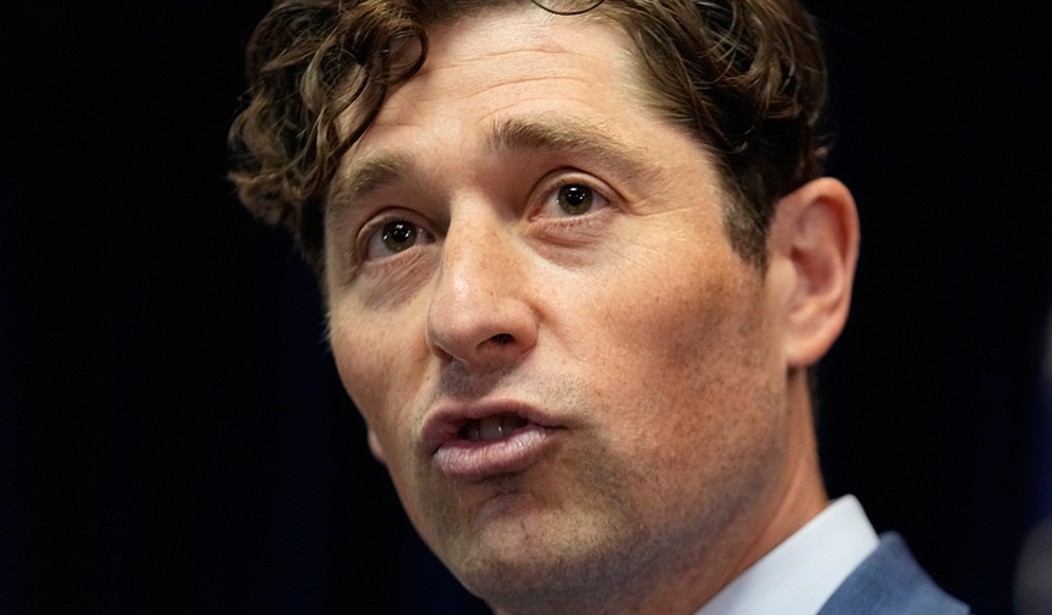
The criticism did not stop with a Minnesota police union. The National Police Association also weighed in after Minneapolis Mayor Jacob Frey posted on social media defending the city’s stance. While Frey said local police do not enforce immigration law, the problem is that they actively fight against its enforcement.
The National Police Association made it clear that refusing cooperation does not make communities safer. Letting criminal illegal aliens walk free is not public safety. And refusing to provide even basic crowd control during ICE operations puts both federal agents and civilians at risk.
The NPA also mocked the familiar excuse that protests are “mostly peaceful,” calling out city leadership for pretending disorder is normal and acceptable.
The message from law enforcement is clear: cooperation saves lives. Resistance creates danger.
Minnesota’s political leaders may want to blame ICE, but police at both the state and national level are saying the opposite. When politicians obstruct federal law enforcement, they aren’t protecting communities—they’re exposing them. And when police finally speak up, the Democratic narrative collapses under the weight of reality.