

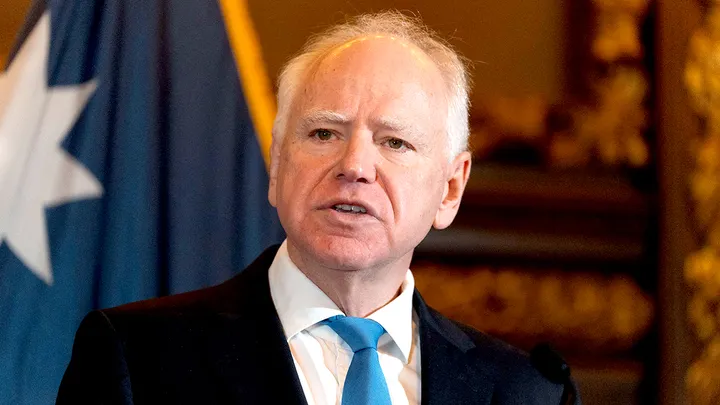
A paid leave law signed by Tim Walz is drawing increasing criticism just months after taking effect, as some employers and lawmakers say the program may be creating unintended problems.
The legislation, which went into effect on January 1, allows workers in Minnesota to take up to 12 weeks of partially paid leave to care for a newborn or sick family member and up to 12 weeks to recover from their own serious medical condition. Employees who qualify for both types of leave can receive up to 20 weeks of benefits per year.
While supporters argue the program provides essential support for workers during major life events, critics say early reports from businesses suggest the system may be vulnerable to overuse.
The state’s largest non-partisan business advocacy organization said employers are already reporting several “concerning trends,” including situations where medical providers feel pressured by patients to approve the full 12 weeks of leave even when shorter recovery times may be appropriate.
Some employers also claim that certain workers appear to earn more through the program’s wage replacement benefits than they normally make while working.
Critics also point to anecdotal reports of employees traveling or attending events while on leave. Business groups say these examples do not necessarily prove fraud but raise questions about whether the program’s eligibility rules are too broad.
Two Republican lawmakers have echoed those concerns.
State Sen. Michael Holmstrom said one major employer in his district has seen a 700% increase in paid leave usage since the program began, which he claims has made it difficult to maintain staffing levels.
According to Holmstrom, companies often struggle to replace workers temporarily taking leave, forcing businesses to continue operating with fewer staff and reduced service levels.
State Sen. Mark Koran also argued that the program could face oversight challenges, saying employers have limited ability to monitor how the leave is used.
“The program isn’t being used as intended,” Koran said, warning that workers could potentially take intermittent leave days throughout the year, which he believes could make workforce planning difficult for businesses.
The program is administered by the Minnesota Department of Employment and Economic Development, which oversees benefits and compliance. The agency has defended the new system, stating that safeguards are in place and that early feedback will help improve the program over time.
Supporters of the law argue that paid family and medical leave programs are already widely used in several other states and provide important financial security for workers facing health issues or family emergencies.
Policy analysts have also pointed out that many businesses in Minnesota already offered some form of paid leave prior to the law, but the statewide program ensures that workers at smaller companies or in lower-wage industries also have access to benefits.
The debate comes as Minnesota continues to deal with scrutiny over previous fraud scandals involving state-administered programs, which has heightened political sensitivity around oversight of large public benefit systems.
As the program continues to roll out, lawmakers, business groups, and state officials will likely continue debating whether adjustments are needed to address employer concerns while preserving access to paid leave for workers.


