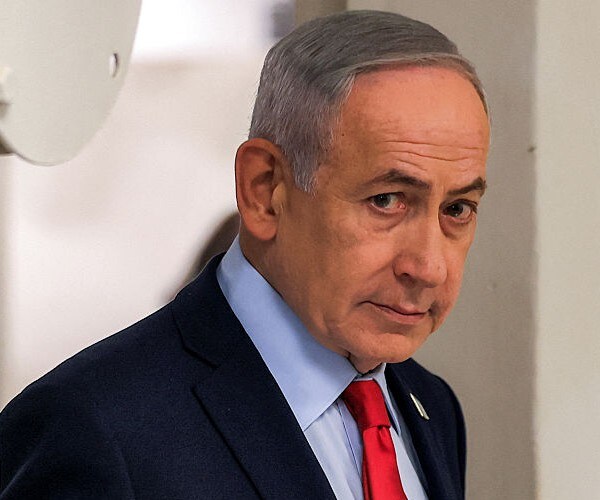
In a move that actually looks like leadership in a region that desperately needs it, Israeli Prime Minister Benjamin Netanyahu has authorized direct negotiations with Lebanon “as soon as possible.” The goal? Disarm Iranian-backed Hezbollah and, perhaps for the first time in decades, establish some form of relations between two nations technically at war since 1948.
Yes, you read that right—after generations of conflict, there’s finally a push to sit down and talk. Not exactly a small step.
The talks are expected to kick off next week in Washington at the State Department, with U.S. involvement helping steer the process. On the American side, U.S. Ambassador to Lebanon Michel Issa is expected to handle negotiations, while Israel will be represented by Ambassador Yechiel Leiter. As for Lebanon? Still unclear—never a great sign, but not surprising either.
This development comes as a fragile ceasefire hangs by a thread. Israel’s recent strikes on Beirut—described as the deadliest day in Lebanon since the war began on February 28—highlight just how tense things remain. Meanwhile, Hezbollah continues to operate, backed by Iran, which is still flexing its muscles in the region, including tightening its grip on the Strait of Hormuz.
And let’s not forget: about 20% of the world’s oil once flowed through that narrow passage. Now? Ships are backed up, oil prices are soaring, and global markets are feeling the pressure. But sure, nothing to worry about.
Despite the chaos, Netanyahu made it clear Israel isn’t backing down, stating the country will continue striking Hezbollah “with force, precision and determination.” Translation: peace talks don’t mean weakness—they mean strength backed by action.
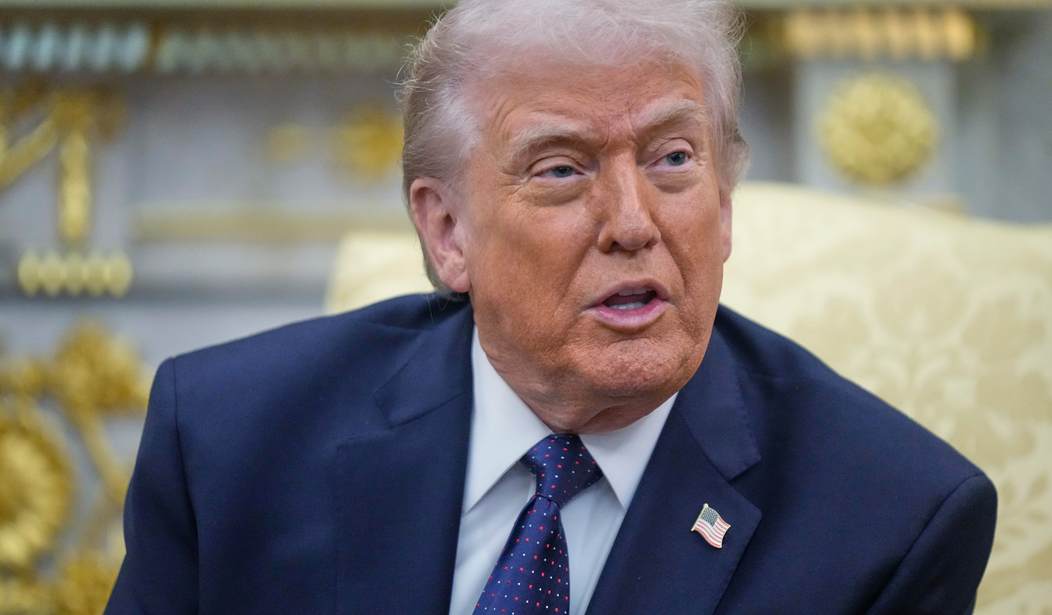
On the other side, Iran is playing its usual game—hinting at mined waters in the strait, warning of “strong responses,” and insisting on continuing its nuclear program. At the same time, President Donald Trump has made it crystal clear that the United States is ready to respond even more forcefully if Iran doesn’t hold up its end of the deal. No ambiguity there.
The ceasefire itself has at least paused missile and drone attacks for now, which is something. But with disagreements over what the deal actually includes—especially regarding Hezbollah—it’s clear this situation could shift at any moment.
Still, the launch of direct talks between Israel and Lebanon is no small achievement. After decades of hostility, even getting both sides to the table is a step forward. It won’t be easy, and no one’s pretending it will be, but it shows that firm leadership combined with strategic pressure can open doors that once seemed permanently closed.
And in a region where stability often feels out of reach, that’s a development worth watching—with cautious optimism.