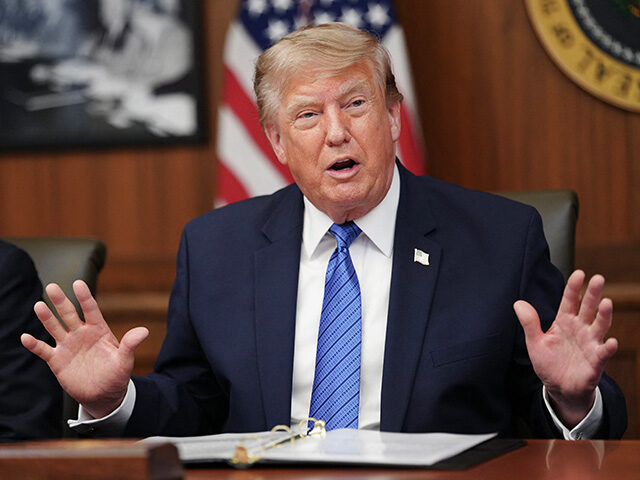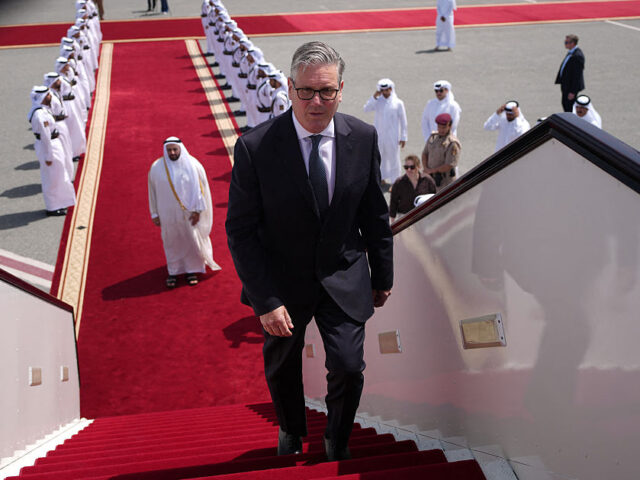
UK Prime Minister Keir Starmer is facing criticism after comments in which he appeared to place former U.S. President Donald Trump and Russian President Vladimir Putin on similar footing when discussing global energy instability.
Speaking on a podcast hosted by Robert Peston, Starmer expressed frustration over volatile energy prices impacting British families and businesses. He argued that fluctuations in energy costs are driven by global actors, stating he was “fed up” with the way decisions by leaders like Trump and Putin affect everyday life in the UK.
Energy Frustration Boils Over
The UK has been hit hard by energy price swings in recent years, largely due to geopolitical shocks—from the war in Ukraine to escalating tensions involving Iran. As a result, British households and industries have faced some of the highest electricity costs globally, putting pressure on both consumers and the country’s remaining manufacturing base.
Starmer’s comments appear aimed at tapping into that public frustration. By highlighting external factors, he sought to frame the crisis as one driven by global instability rather than purely domestic policy decisions.
Critics Push Back
However, equating Trump and Putin has drawn backlash from critics who argue the comparison is misleading and politically charged. They contend that lumping together a U.S. president—an ally—with the leader of a geopolitical rival oversimplifies complex international dynamics.
Others argue that the remarks reflect a broader issue: the UK’s limited ability to control its own energy security. Despite repeated warnings over dependence on global markets, successive governments have struggled to build resilience in domestic energy production and infrastructure.
The Strategic Reality
The situation is further complicated by vulnerabilities in key global chokepoints like the Strait of Hormuz, where ongoing tensions continue to threaten supply flows. UK officials have insisted that such routes must remain open—but critics note that Britain’s reduced defense capacity limits its ability to enforce that position.
A Political Balancing Act
Starmer’s remarks highlight the tightrope he’s walking:
Acknowledging real public anger over rising energy costs
Assigning blame to global instability
Avoiding deeper scrutiny of domestic policy choices
Whether his comments resonate with voters or backfire politically remains to be seen. But one thing is clear—the intersection of energy policy, geopolitics, and domestic pressure is becoming one of the defining challenges of his