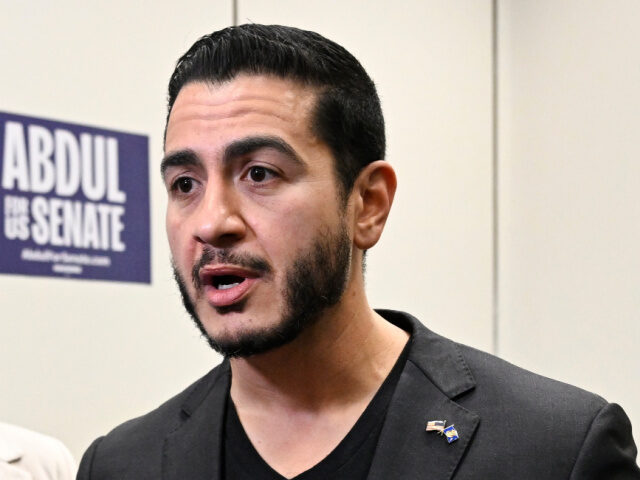
Michigan Senate candidate Abdul El-Sayed is facing renewed questions over his past positions after newly surfaced audio appears to contradict his repeated claims that he never supported defunding the police.
El-Sayed, a progressive Democrat seeking higher office, has previously argued that accusations he backed defunding law enforcement were based on social media posts taken out of context. But recordings from 2020 are now drawing fresh attention to what he said during the height of the nationwide debate over policing.
In one June 2020 interview, El-Sayed said he supported reducing police funding while shifting more taxpayer dollars toward public schools, mental health programs, and anti-poverty initiatives. The remarks closely mirror the core premise of the "defund the police" movement, which called for redirecting law enforcement budgets to other government services.
The resurfaced audio has fueled criticism from conservatives, who argue the recordings undercut El-Sayed's more recent attempts to distance himself from the movement. For many voters, the issue is no longer simply what his policy preferences were in 2020, but whether his current public statements accurately reflect his past positions.
The debate comes as crime and public safety remain top concerns across much of the country. Republicans have consistently argued that efforts to reduce police funding weakened law enforcement, hurt officer morale, and left communities less safe, while backing increased support for police departments and tougher criminal enforcement.
El-Sayed has maintained that his views have been mischaracterized, but the newly surfaced recordings are likely to intensify scrutiny as the campaign moves forward. Political candidates routinely evolve on policy, but voters also expect honesty about where they have stood—and recorded statements often speak louder than campaign talking points.
As election season heats up, the controversy serves as another reminder that in the digital age, past interviews rarely stay buried. Accountability begins with transparency, and voters deserve a clear explanation when a candidate's current message appears to conflict with their own recorded words.