
If you thought the most stressed Americans were all packed into places like New York City, rushing between meetings and overpriced coffee shops—think again. A new study just flipped that assumption on its head.
According to a WalletHub analysis of all 50 states using 40 different stress indicators—covering everything from work and money to family and health—the most stressed states in 2026 aren’t the usual suspects. Instead, the South and Southwest are leading the pack.
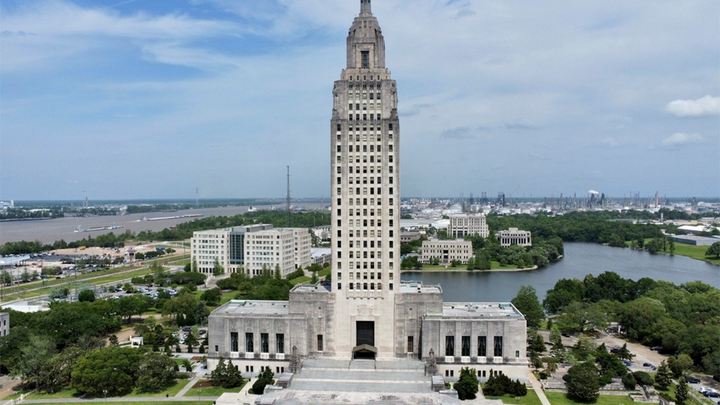
Louisiana takes the top spot as the most stressed state in the country, followed by Kentucky, New Mexico, West Virginia and Arkansas. Rounding out the top 10 are Nevada, Oklahoma, Oregon, Mississippi and Alabama. Not exactly the list most people would guess, right?
Meanwhile, states like New York and Illinois—often painted as pressure cookers of modern life—ranked much lower, at No. 18 and No. 30 respectively. So much for the idea that stress only comes from big-city chaos.
Experts say this data highlights something a lot of policymakers tend to overlook: stress isn’t just about a fast-paced lifestyle—it’s deeply tied to economic and health conditions. In other words, it’s not just about being busy, it’s about stability.
Take Louisiana, for example. The study points to high poverty rates, limited access to healthcare and mental health services, and job insecurity as major contributors. About 16% of residents reportedly skipped medical care due to cost, while the state also struggles with poor mental health outcomes and a shortage of psychologists. Add in high unemployment and low job security, and it’s not exactly a recipe for peace of mind.
Kentucky isn’t far behind, dealing with serious financial strain, including one of the highest bankruptcy rates in the country and low credit scores. New Mexico faces its own challenges, including high crime rates, financial hardship and family instability. Nevada also makes the list, with high unemployment and bankruptcy rates contributing to financial pressure.
And here’s the kicker—places like Nevada and even California, which often look like paradise to visitors, tell a very different story for the people actually living there. Turns out, a vacation view and real life aren’t quite the same thing. Shocking, I know.

What this study really shows is that stress in America runs deeper than traffic jams and crowded subways. It’s tied to real issues—jobs, healthcare, and financial security—that affect everyday life in ways no skyline ever could.
The good news? Identifying the problem is the first step toward fixing it. And if there’s one thing Americans have always proven, it’s that when challenges are laid out clearly, solutions aren’t far behind.