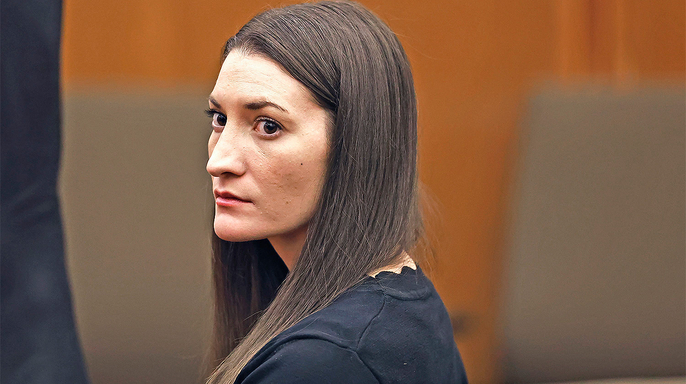
The horrific case of Lindsay Clancy, accused of the unthinkable strangling deaths of her three young children – Cora, Dawson, and Callan – is nearing a verdict. As jurors deliberate, the nation watches, not just for a decision, but for what it truly means for justice, especially if an insanity defense prevails.
Retired Massachusetts Judge Carol Erskine, a veteran of the bench and a child welfare advocate, has shed critical light on the often-misunderstood consequences should Clancy be found not criminally responsible due to insanity. Her insights reveal a system that may not align with the public’s expectation of accountability for such heinous acts.

Contrary to common belief, such a verdict would not translate into a "life sentence in a public mental hospital," Judge Erskine explained in a recent post on X. While Clancy "could remain hospitalized for many years — even indefinitely — but only as long as the legal criteria for civil commitment continue to be met," a crucial distinction that opens the door to future release.
The path post-verdict, if insanity is found, begins with a judge's order for a mandatory 40-day evaluation in a secure facility. Following this, a hearing determines further commitment, typically for six months in a locked unit, if there's a "likelihood of serious harm" under the statute. This is where the process truly enters a revolving door of review.
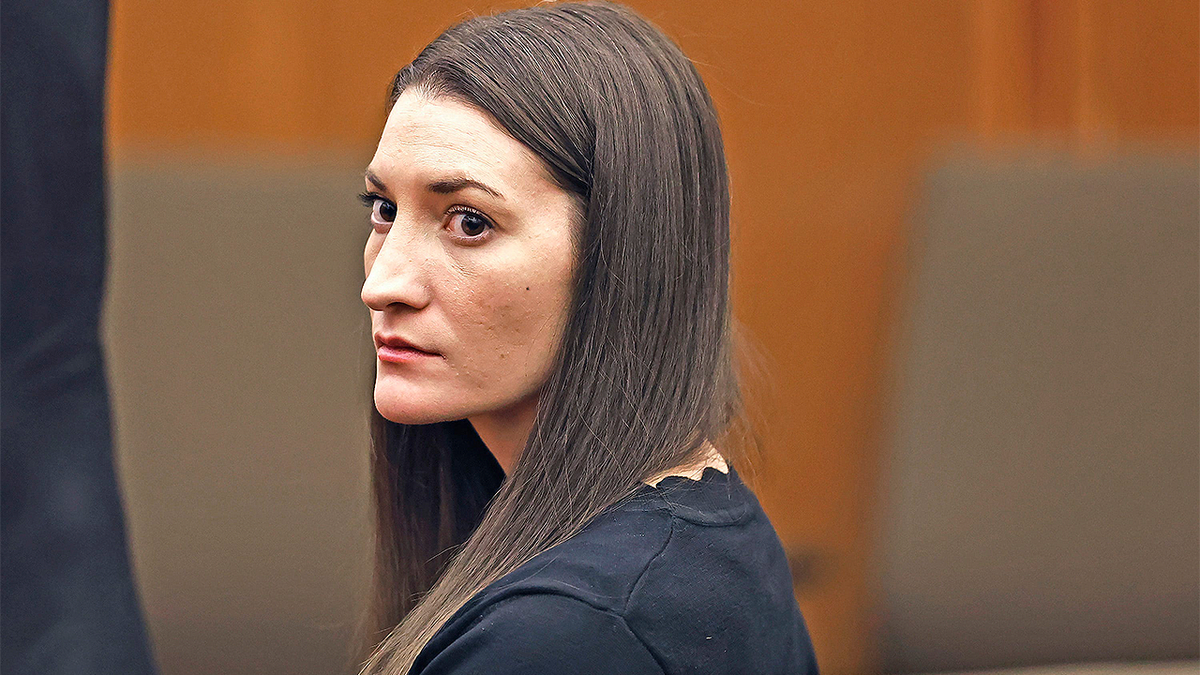
Beyond the initial commitment, Clancy’s fate would be subject to annual review. Each year, new evaluations would determine if she still poses a "likelihood of serious harm," and thus, if her commitment to a mental institution should continue. This yearly reassessment makes any long-term prediction "impossible," Erskine noted, highlighting the inherent unpredictability and potential for eventual discharge.

Should a facility superintendent recommend discharge, a petition would be heard in court, allowing both the district attorney’s office and Clancy’s defense attorney to present their cases. This means the decision to release, or continue commitment, is an ongoing legal battle, not a fixed sentence.
Jurors, who commenced deliberations earlier this week, face a daunting task. They must choose between first- or second-degree murder, manslaughter, or a finding of not criminally responsible due to insanity. Clancy’s self-inflicted injuries, which left her paralyzed after she reportedly attempted to take her own life by jumping from a second-floor window, will likely not sway evaluations of her future potential for harm.
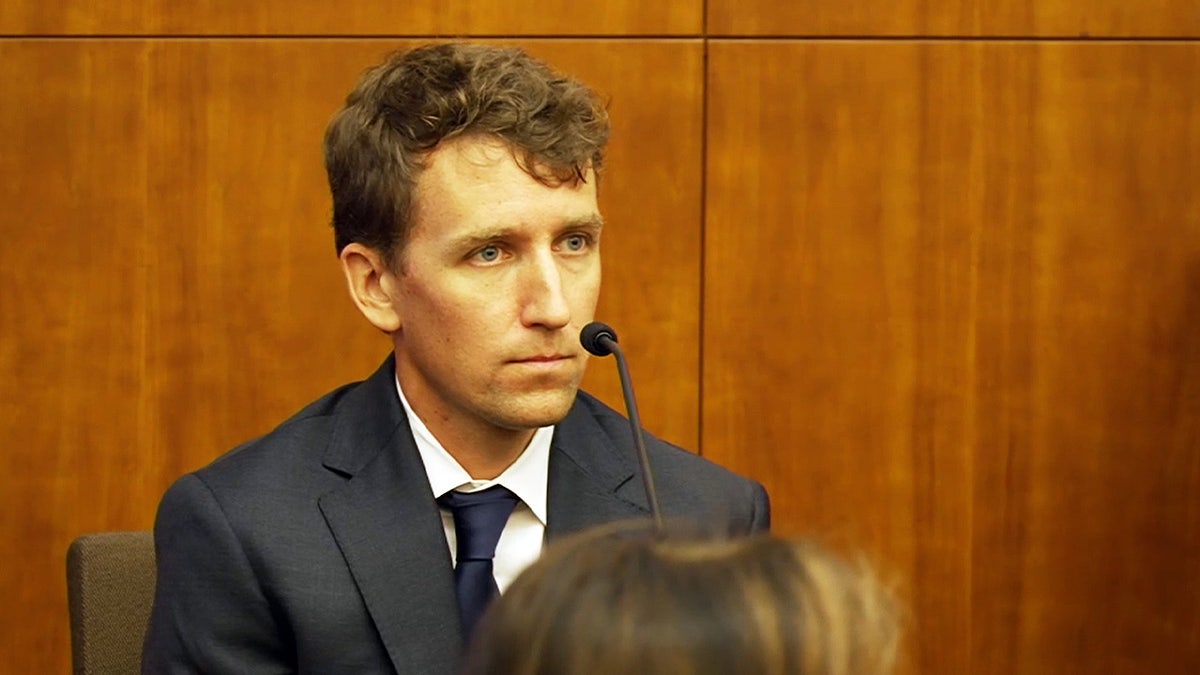
Erskine clarified that such assessments include the potential for harm to herself, making her physical limitations largely irrelevant to the 'likelihood of serious harm' criteria.
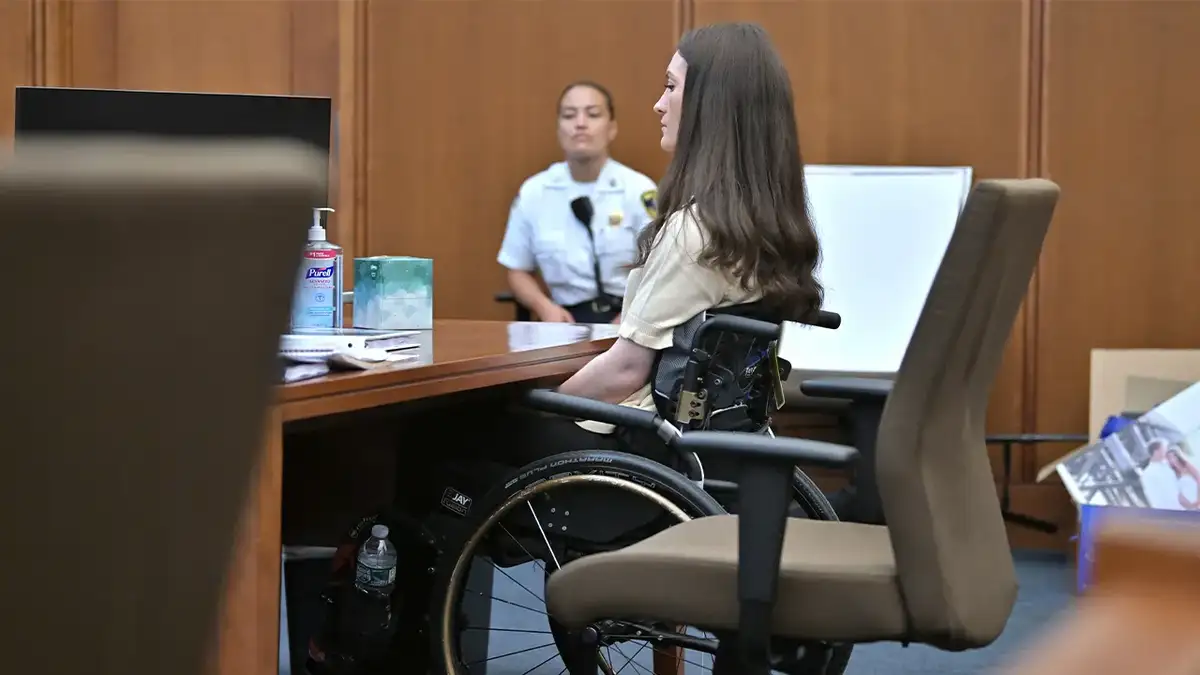
This chilling clarification from a seasoned judge underscores the complex and often frustrating realities of the legal system when confronted with profound mental health defenses in cases of unimaginable tragedy. For many Americans, the desire for justice for innocent victims and accountability for those who perpetrate such acts remains paramount, regardless of the nuanced legal interpretations. The ultimate verdict will not only determine Lindsay Clancy’s immediate future but also signal the balance our courts strike between mental health treatment and the pursuit of justice in the gravest of crimes.