For something we’re constantly told “never happens,” it just happened again.
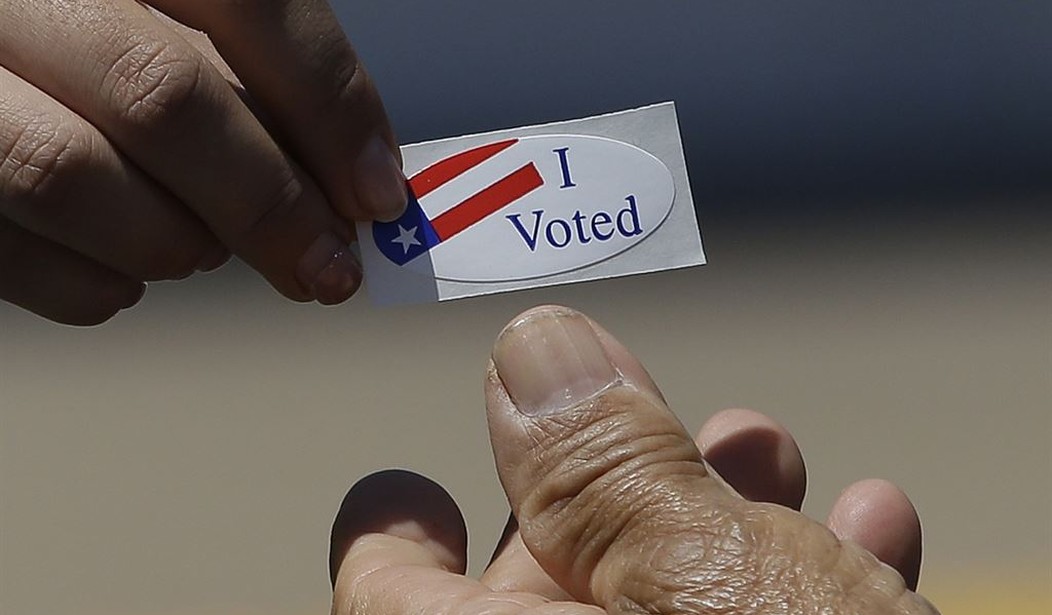
Federal authorities in New Jersey have charged four non-citizens with illegally voting in multiple federal elections — including the 2020 presidential race, the 2022 midterms, and even the 2024 contest — while also allegedly lying on their U.S. citizenship applications to cover it up.
According to officials, the individuals — David Neewilly (73), Jacenth Beadle Exum (70), Idan Choresh (43), and Abhinandan Vig (33) — each submitted voter registration forms falsely claiming to be U.S. citizens, then later denied ever voting when completing their N-400 naturalization applications. That’s not a paperwork error — that’s a pattern.
FBI Director Kash Patel pointed to the indictments as evidence of real vulnerabilities in both voter registration and the naturalization process. But don’t expect wall-to-wall coverage. If history is any guide, this is one of those stories that quietly disappears because it doesn’t fit the preferred narrative.
U.S. Attorney Robert Frazer put it plainly: the defendants allegedly broke federal law by voting when they were not eligible, then lied under oath to conceal it. Acting Attorney General Todd Blanche echoed that message, making it clear the administration is taking a hard line — stating that non-citizens who attempt to vote and misrepresent their status will face prosecution.
In other words, enforcement is actually happening — which, depending on who you ask, is either reassuring… or inconvenient.
Critics argue cases like this highlight weaknesses in the system that deserve serious attention. After all, if individuals can register, vote in multiple election cycles, and only get caught later during the citizenship process, it raises obvious questions about safeguards.
Supporters of stricter election integrity measures say this is exactly why reforms are needed, including proposals like the SAVE America Act, which aims to tighten verification requirements. Because, as it turns out, systems don’t fix themselves by being ignored.
Of course, others maintain these are isolated incidents and not evidence of widespread fraud. And to be fair, four cases don’t equal millions. But they do equal something — and pretending they don’t exist at all isn’t exactly a solution.
At the end of the day, the takeaway is simple: the system worked in catching these cases — eventually. The real question is whether it should take this long in the first place.
One thing is certain: when it comes to election integrity, Americans expect confidence, clarity, and accountability. And stories like this, whether people like it or not, are part of that conversation.
And if enforcement continues like this, that confidence might just start heading in the right direction.