A new acronym making the rounds online has clearly struck a nerve at The New York Times, and it didn’t take long for the paper to rush to its defense of a familiar political demographic.
The acronym is AWFUL, short for Affluent White Female Urban Liberal, and conservative commentators have been using it to describe liberal white women who frequently position themselves at the forefront of progressive activism, particularly on immigration issues. Unsurprisingly, the Times was not amused.
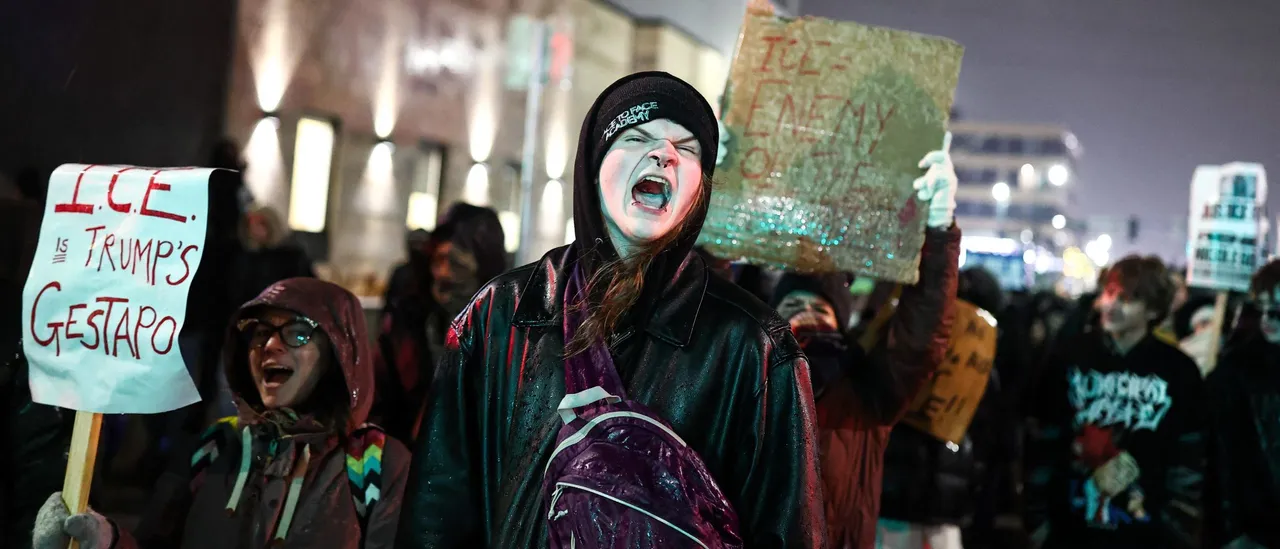
The paper published a lengthy piece focused on the term’s growing use, especially following protests in Minneapolis tied to immigration enforcement after the fatal shooting of activist Renee Good by an ICE agent on January 7. Conservatives pointed out that many of the loudest voices at these protests fit the very profile the acronym describes.
Conservative commentator Erik Erickson drew attention to the issue on social media, noting that “an AWFUL (Affluent White Female Urban Liberal) is dead after running her car into an ICE agent who opened fire on her.” Orlando radio host Pierce Outlaw went further, calling such women “the scourge of polite society,” a remark the Times made sure to highlight with visible disapproval.
Rather than engage with the substance of the criticism, the Times leaned on academic voices to explain why conservatives might use such language. Rutgers political scientist Dr. Shauna Shames suggested the term reflects anxieties among Trump supporters about race, gender, and immigration—because when in doubt, blame Trump’s base.
The coverage comes as the Times itself has recently published opinion pieces comparing ICE to a “secret police” and accusing the agency of waging war on Democratic-run cities, a framing that critics say fuels the very activist behavior now being scrutinized.
According to reporting, Renee Good had joined ICE Watch, a network that tracks and disrupts immigration enforcement. The group promotes so-called “de-arrest” tactics, encouraging activists to physically interfere with law enforcement. Training materials reportedly describe each de-arrest as a “micro-intifada,” a detail that didn’t receive nearly as much moral outrage as a four-letter acronym.
Voting data helps explain why the subject hits so close to home. College-educated white women backed Kamala Harris by a 17-point margin in 2024, a significant increase from Joe Biden’s nine-point margin in 2020. That demographic has become one of the most reliable pillars of modern progressive politics.
In the end, the Times’ discomfort says less about the acronym and more about what it represents: a growing frustration with elite activism disconnected from real-world consequences. If nothing else, the reaction proves the term landed exactly where it was supposed to—and sparked a conversation the media would rather avoid.