If you’ve been hearing that wealthy New Yorkers are leaving the city in droves—don’t worry, according to Mayor Zohran Mamdani, it’s all just in your head.
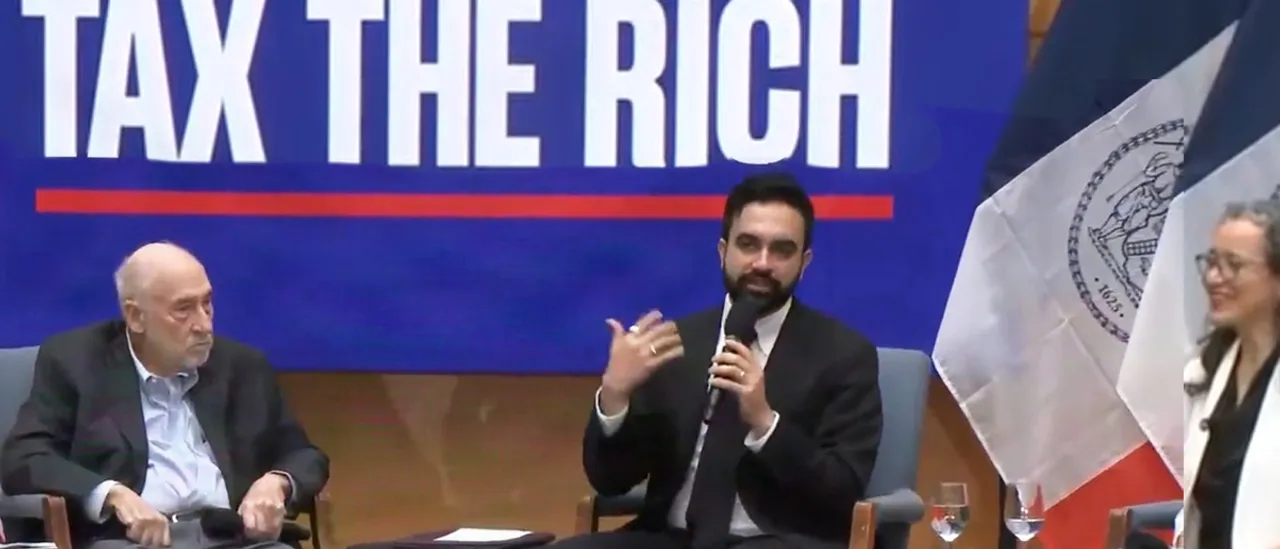
Speaking at a Tax Day event under a bold “Tax The Rich” banner, the socialist mayor pushed back on widespread reports that high taxes are driving affluent residents out of New York City. Instead, Mamdani argued the opposite—that the number of millionaires has actually increased, even after past tax hikes. Because apparently, raising taxes more is always the answer.
Mamdani pointed to his time as a state legislator, claiming similar warnings were made back then, only for the wealthy population to grow afterward. In his view, the so-called exodus is “imagined,” and the real issue lies elsewhere.
And here’s where it gets interesting.
While dismissing the idea of wealthy residents leaving, Mamdani acknowledged a different kind of exodus—working-class people struggling to afford life in the city. He highlighted how many residents are relocating to nearby states like New Jersey, Connecticut, and Pennsylvania, where the cost of living is lower. So, not an exodus… just people leaving. Got it.
Meanwhile, even fellow Democrats have raised concerns. New York Governor Kathy Hochul previously urged wealthy individuals to return after many relocated to places like Florida, which offers lower taxes and a more business-friendly environment. Not exactly something you say if everything is going perfectly.
And the numbers tell their own story. A Siena College poll found that 27% of New York residents were considering leaving the state within five years, with even more planning to go upon retirement. That’s a lot of “imaginary” moving trucks.
Republican leaders have also weighed in. Florida Governor Ron DeSantis suggested that policies like Mamdani’s could accelerate migration south, predicting a boom in Florida’s real estate market if more New Yorkers decide they’ve had enough.
At the end of the day, Mamdani is sticking to his message—tax the wealthy, expand social programs, and dismiss concerns about capital flight. Whether that approach keeps people in New York or sends them packing is a question that won’t stay theoretical for long.
Because when people start voting with their feet, it’s a little harder to call it imaginary. Still, as the debate unfolds, one thing is certain: the future of New York’s economy will depend on how these policies play out in the real world.