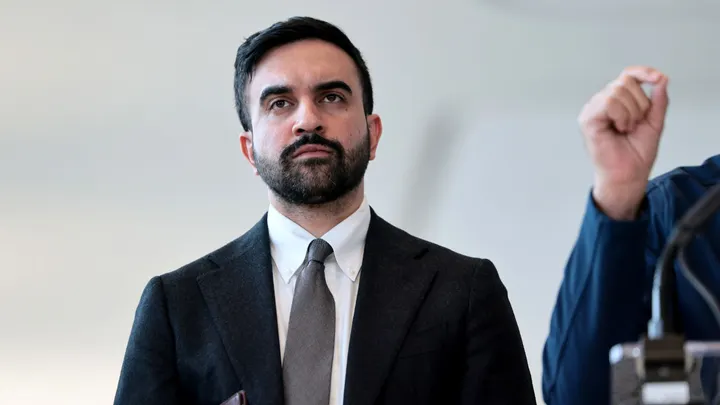
New York City Mayor Zohran Mamdani rolled out his so-called “Preliminary Citywide Racial Equity Plan” this Monday—right on schedule within his first 100 days in office. And as expected, it didn’t take long for critics to raise eyebrows… or for the Department of Justice to start paying attention.
According to a press release from the mayor’s office, the report highlights racial disparities in housing, education, and income, introducing a new framework to measure affordability and inequity across the city. The goal? An “equitable future.” (Because apparently, New York hasn’t had enough frameworks and plans already.)
Mamdani emphasized what he calls the “True Cost of Living Measure,” describing it as an honest reflection of what it takes to survive in the city—and who’s being left behind. He claims the affordability crisis isn’t limited to a small group, but rather affects the vast majority of New Yorkers across all boroughs.
But he didn’t stop there.
The mayor doubled down on his argument that the crisis hits some communities harder than others, stating that Black and Latino residents are “bearing the brunt” and have been pushed out of the city for decades. His plan, he says, is the starting point to reverse that trend—linking racial inequity directly with the cost-of-living crisis.
The report itself points to disparities in median net worth between White and Black households, along with differences in life expectancy. To address these gaps, Mamdani is proposing a massive government effort: over 200 agency-level goals, more than 800 strategies, and roughly 600 performance indicators. Yes, you read that right—hundreds upon hundreds of moving parts. Because nothing says “efficient government” like adding more layers of bureaucracy.
City officials backing the plan argue that inequity has been embedded since the nation’s founding and that dismantling it will require collective action across all sectors. The proposal spans housing, healthcare, education, and infrastructure, aiming to reshape how government operates at every level.
Meanwhile, the response from Washington is already taking shape. A top official from President Donald Trump’s Department of Justice has indicated the plan will be reviewed—signaling that this isn’t just local policy anymore, but something that could raise broader legal and constitutional questions.
This isn’t Mamdani’s first time drawing criticism for his approach. During his campaign, he pushed policies focused heavily on “equity,” including a proposal to shift the tax burden from homeowners in outer boroughs to more expensive properties in wealthier—and, as he described them, “Whiter”—neighborhoods. Unsurprisingly, that didn’t sit well with many New Yorkers.
At the end of the day, the debate is far from over. What’s clear is that Americans are paying closer attention than ever to how policies are framed—and whether they actually deliver results. And with federal eyes now on New York City, one thing is certain: accountability is still very much alive and well.