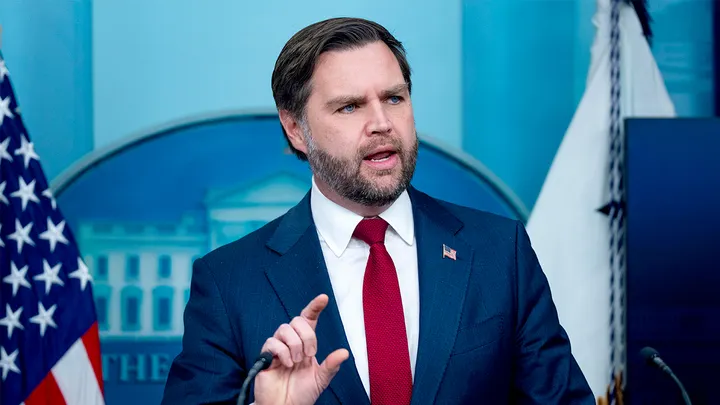
New York Times columnist Jamelle Bouie decided to showcase the left’s idea of “compassion” by suggesting that Vice President JD Vance’s mother was right to have tried to sell him for drugs. In a post on the left-wing platform Bluesky, Bouie attacked Vance following an interview with the Daily Mail in which the vice president declined to apologize to the family of Minnesota shooting victim Alex Pretti after accusing him of arriving at an immigration enforcement protest with “ill intent.”
“This is a wicked man who knows he is being wicked and does it anyway,” Bouie wrote, adding a colorful critique of Vance’s expression by pointing to what he called a smirk and “beneath contempt.” Apparently, facial expressions are now political crimes too.
Bouie went further when responding to a comment calling Vance “pompous,” musing, “No wonder his mom tried to sell him for Percocets.” He then doubled down, stating, “I can’t imagine a parent who wouldn’t sell little JD for percocet if they knew he would turn out like this.” In case that wasn’t enough, Bouie added that Vance is “also an addict: addicted to power and clearly willing to sell anything to get it.” Because nothing says serious political analysis like drug jokes about someone’s childhood.
Fox News Digital reached out to The New York Times and Vance’s office for comment.
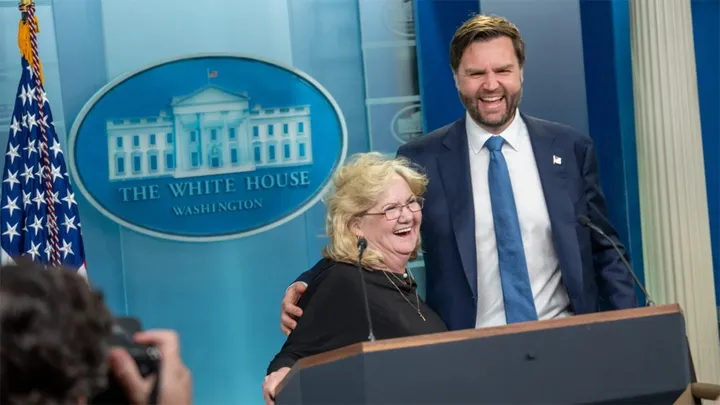
Vance has often spoken publicly about his mother, Beverly Aikins, and her struggles with addiction during his childhood. Her addiction began with a legitimate prescription but escalated into stealing drugs from patients, as described in his bestselling book, Hillbilly Elegy. Throughout the book, Vance emphasized his commitment to her recovery and the complicated love within his family.
“I knew that a mother could love her son despite the grip of addiction,” Vance wrote. “I knew that my family loved me, even when they struggled to take care of themselves.”
In April 2025, Vance even led a celebration at the White House marking his mother’s ten years of sobriety, turning a painful past into a story of recovery and resilience.
While critics hurl insults and lean on cheap shots, Vance’s story remains one of perseverance, family loyalty, and redemption—proof that even the hardest beginnings can lead to something stronger.