Oil prices took a sharp dive after Iran announced that the Strait of Hormuz would remain open for commercial shipping during the ongoing 10-day ceasefire. West Texas Intermediate crude fell more than 10%, dropping below $85 per barrel, while Brent crude also slid over 10% to around $89. After weeks of watching prices climb like they were trying to break a world record, this sudden drop is a refreshing change.
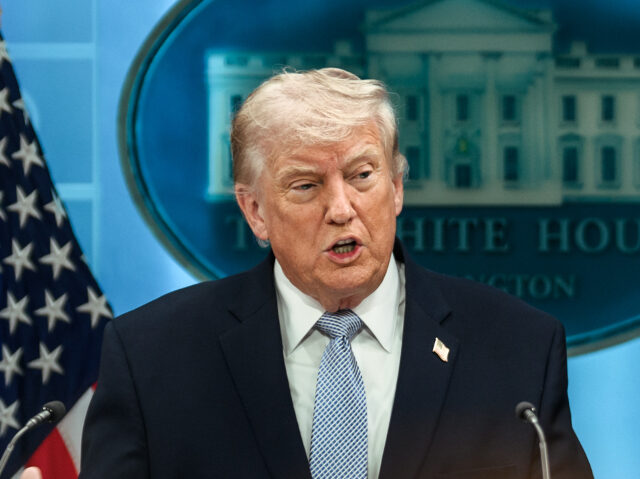
The announcement came from Iranian Foreign Minister Abbas Araghchi, who confirmed that commercial vessels would be allowed to pass through the strait during the ceasefire between Israel and Lebanon. President Donald Trump told reporters that the ceasefire would include Iran-backed Hezbollah, a development that appears to be calming markets that had been rattled by uncertainty. It turns out that when tensions cool down, markets respond—who would’ve thought?
Oil had surged past $100 per barrel after the conflict began about six weeks ago. West Texas Intermediate peaked near $113 on April 6, while Brent crude climbed above $119 on March 30. Those levels had many industries bracing for higher costs, and consumers preparing for yet another round of painful energy bills.
Analysts say the drop could bring even more relief. Brian Therien, a senior investment strategist at Edward Jones, noted that oil futures are now pointing toward prices possibly moving back to the low $70s by the end of the year. If that happens, it could ease inflation and reduce pressure on energy-intensive sectors—good news for businesses and families alike. Lower energy costs tend to do wonders for the economy, despite what some so-called experts love to complicate.
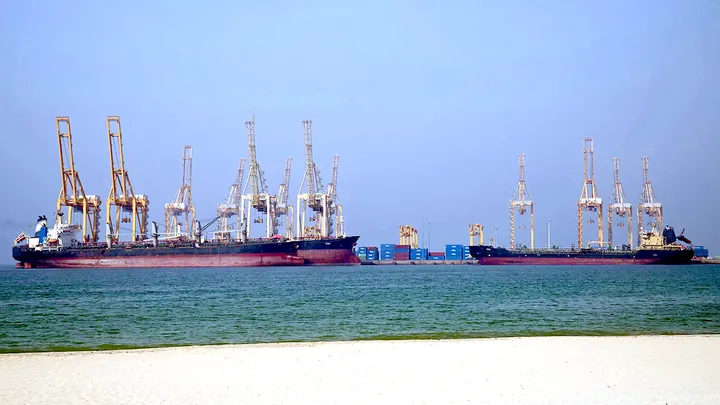
The price shock follows the effective closure of the Strait of Hormuz during the conflict, when threats of Iranian attacks and mines kept commercial traffic away. The strait is a critical chokepoint linking the Persian Gulf to the Arabian Sea, with about one-fifth of the world’s oil and liquefied natural gas passing through it. When that artery tightens, global markets feel it instantly.
Iranian officials said ships traveling during the ceasefire will use designated safe lanes, while naval vessels will be excluded. Some shipping companies are still cautious, with German carrier Hapag-Lloyd stating it is evaluating the situation before resuming full operations, though transits may begin soon.
For now, markets are reacting positively, and falling oil prices are offering a rare moment of relief. If stability continues and energy costs keep trending downward, it could mean stronger momentum for the economy and more breathing room for consumers—an encouraging sign that calmer waters can bring real benefits.