Energy markets are doing what they always do when geopolitics cools off — snapping back to reality.
Oil prices fell on Thursday to their lowest levels since before the outbreak of the Iran conflict, as shipping through the Strait of Hormuz continues to recover and fears of prolonged supply disruption ease across global markets.
Brent crude futures for August delivery dropped about 1.4% to roughly $72.70 a barrel in early trading on June 25, while West Texas Intermediate (WTI) slipped about 1.1% to below $70. The move extends a four-session slide that has now erased all gains accumulated during the height of the conflict.
In other words, the war premium is gone.
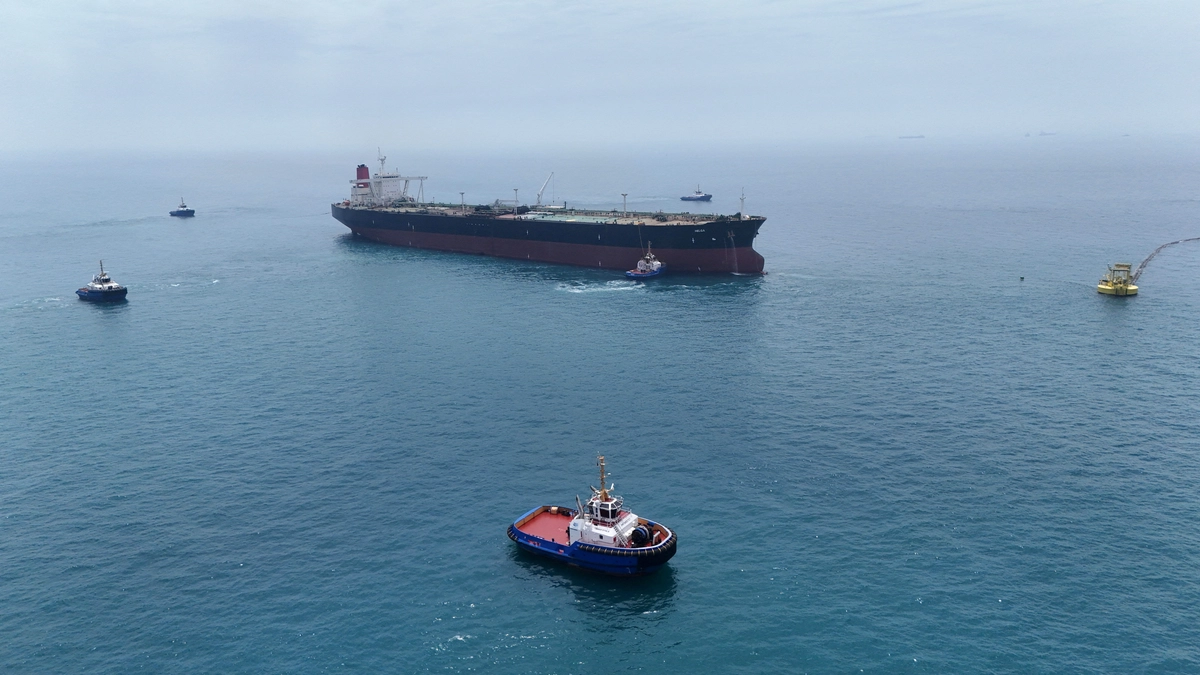
The retreat comes as tanker traffic through the Strait of Hormuz — one of the most strategically sensitive energy corridors in the world — continues to rebound following signs of stabilization tied to a preliminary U.S.–Iran understanding aimed at de-escalating tensions and restoring commercial flow.
As shipping lanes reopen and exports from Gulf producers normalize, markets are rapidly reassessing risk that had briefly pushed prices higher.
For traders, this is the familiar cycle: fear drives prices up fast, and normalization brings them back down just as quickly.
But beyond the charts and futures contracts, the underlying message is broader. Global energy stability still hinges on a narrow waterway that has repeatedly become a pressure point in geopolitical conflicts. When it tightens, prices spike. When it loosens, markets breathe again.
The recent decline suggests growing confidence that the fragile diplomatic progress between Washington and Tehran will hold — at least for now — allowing oil shipments to move with fewer interruptions through one of the most important chokepoints in global trade.
From a policy standpoint, the volatility reinforces a long-standing argument championed by President Donald Trump’s America First energy approach: that energy security is national security, and dependence on unstable regions carries real economic consequences when tensions flare.
As prices fall back to pre-war levels, consumers and markets are seeing immediate relief. But the speed of the swing also serves as a reminder that global energy stability remains highly sensitive to political developments far beyond Wall Street trading desks.
For now, the signal is simple: calmer waters in the Strait of Hormuz are translating directly into calmer prices at the pump and on global markets.