Global energy markets were jolted Thursday after Iran-backed Houthi terrorists claimed they struck two Saudi oil tankers in the Red Sea, pushing crude prices above the $100 mark and raising fears that one of the world's most important shipping corridors is becoming the next battlefield.
The escalation comes as international shipping is already under pressure from disruptions near the Strait of Hormuz. Now, with violence spilling into the Bab el-Mandeb Strait, traders are confronting the possibility that two of the world's most critical energy chokepoints could be threatened at the same time.
Brent crude jumped $4.89, or 5.16%, to $100.36 per barrel, its highest level since early June. U.S. West Texas Intermediate crude climbed $4.84, or 5.6%, to $91.40, extending a five-day rally as markets priced in growing concerns over potential supply disruptions.
"The immediate outlook for crude oil remains supportive as markets price a worrying probability of supply interruptions in a second chokepoint," Pepperstone research strategist Ahmad Assiri said.
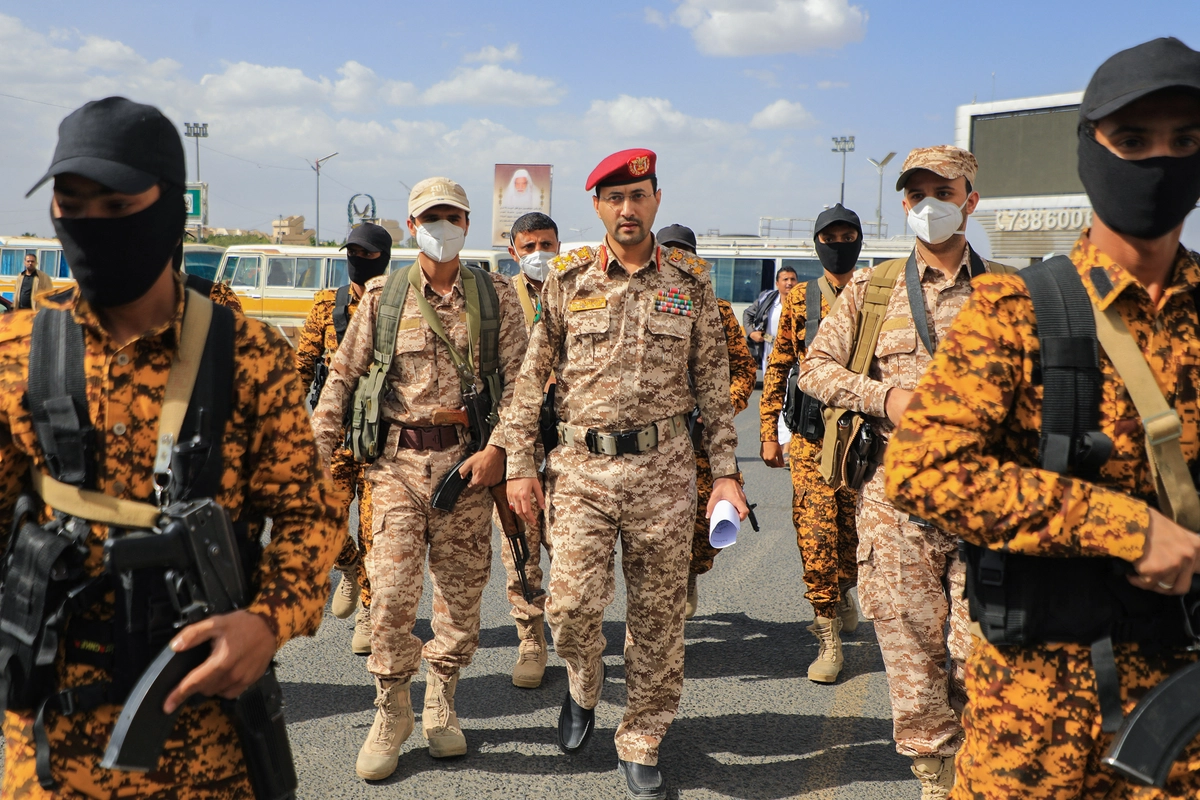
According to Houthi spokesman Brig. Gen. Yahya Saree, the Iran-backed group launched ballistic missiles, cruise missiles, and drones against two Saudi oil tankers—the Encelia and the Layla—as part of what it described as a naval blockade targeting Saudi Arabia.
In a statement posted on X, the Houthis claimed both vessels caught fire and that roughly 10 additional ships were forced to reverse course. Those claims have not been independently verified.
There was, however, evidence that a serious maritime incident had occurred.
The UK Maritime Trade Operations reported that a tanker off Saudi Arabia's Red Sea coast caught fire after being struck by an unidentified projectile. The timing closely matched the Houthis' announcement, with crew members reportedly battling the blaze aboard the vessel.
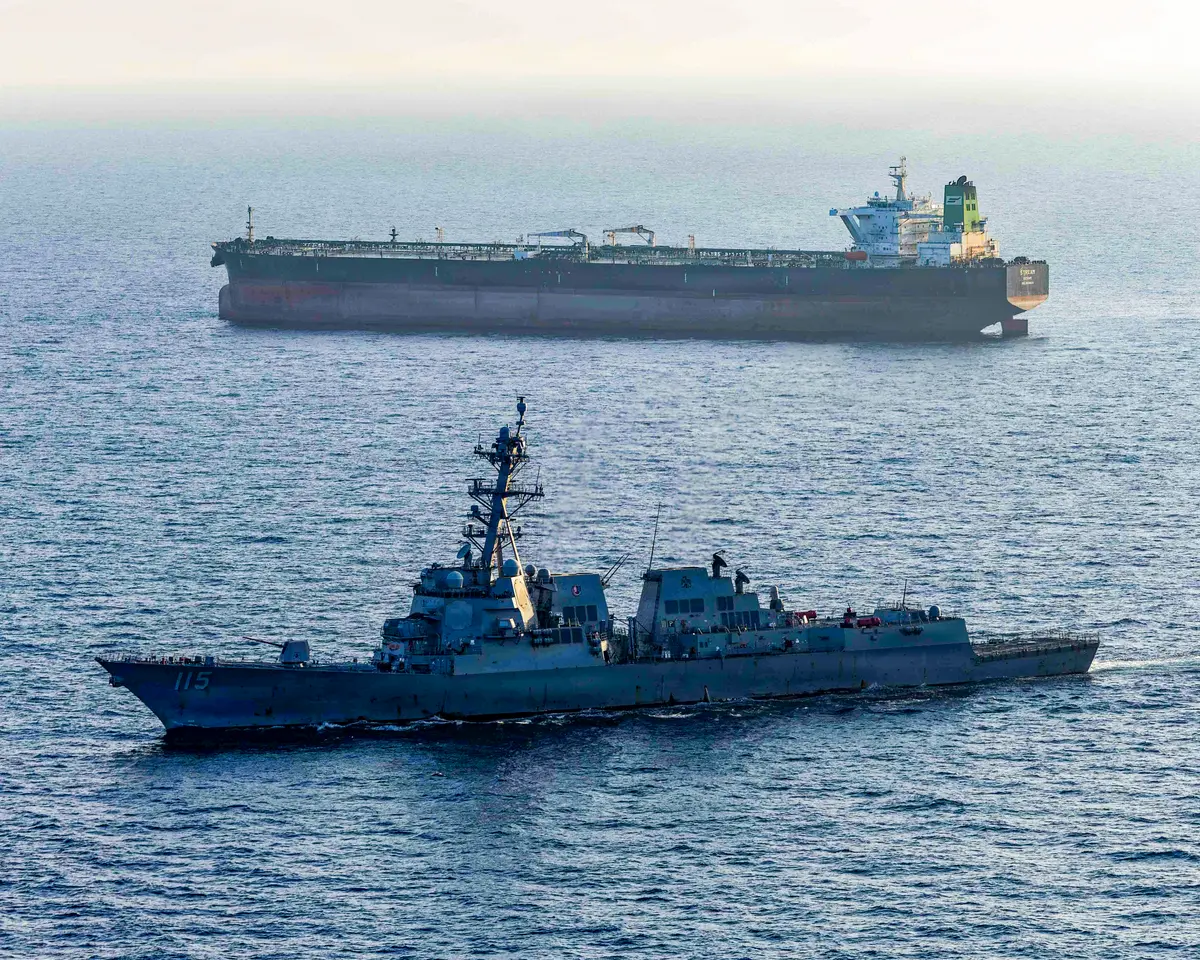
Shipping companies are now weighing whether the Red Sea remains safe for commercial traffic.
Analysts at ING warned that the Houthis' declared blockade has heightened anxiety throughout the shipping industry. Tankers attempting to avoid attacks near the Bab el-Mandeb Strait may be forced to reroute through the Suez Canal, adding substantial time and costs to already strained global supply chains.
The Middle East is not the only source of concern. Supply risks have also intensified around the Black Sea after renewed attacks disrupted operations at the Caspian Pipeline Consortium terminal, a vital export hub for Kazakh crude.
The latest escalation underscores a reality energy markets cannot ignore: when Iran's proxy network expands its attacks, the consequences extend far beyond the battlefield. Every missile fired at commercial shipping threatens global commerce, drives up fuel prices for working families, and places additional pressure on allies that depend on secure sea lanes.
As tensions continue to rise, the attacks serve as another reminder that protecting international shipping routes is not merely an economic issue—it is a matter of national security. America First does not mean ignoring global threats; it means recognizing that when hostile regimes and their terrorist proxies are allowed to menace the world's energy supply, American consumers and businesses ultimately pay the price.