
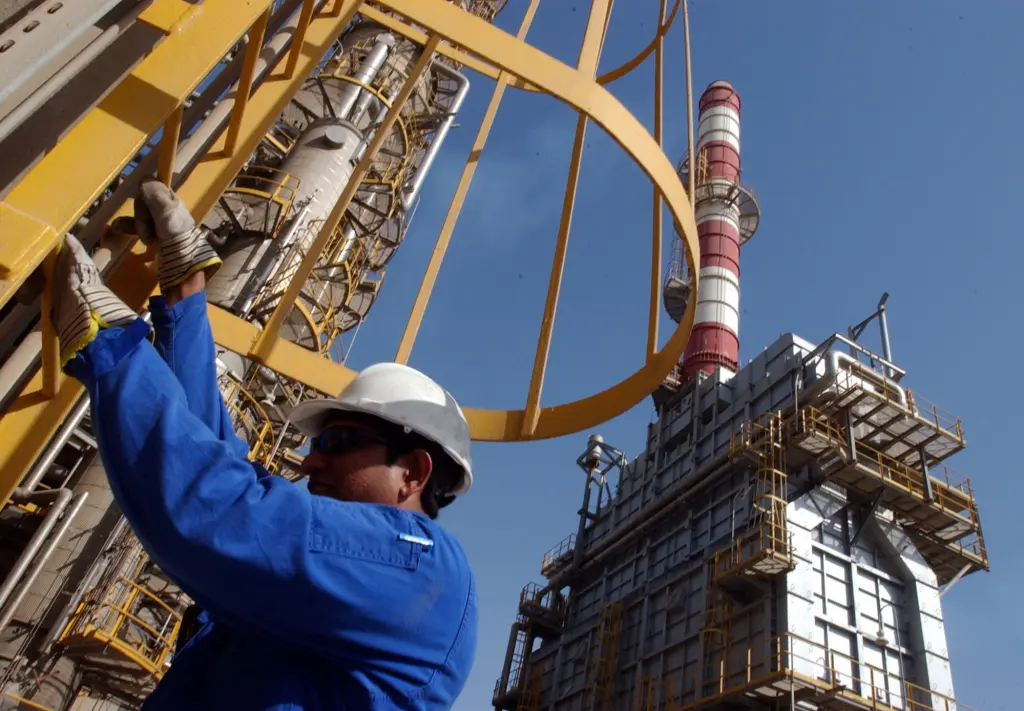
For decades, OPEC has acted like the world’s unofficial thermostat—turning the heat up or down on global energy prices depending on what suited a handful of oil-producing nations. But now, that grip appears to be loosening. And if you believe in freer markets and cheaper energy, that’s not bad news—it’s long overdue.
The latest sign? The United Arab Emirates signaling it’s ready to walk away from OPEC restrictions altogether, frustrated with limits on how much oil it can produce. The move would allow the UAE to respond directly to global demand instead of waiting for a cartel-style agreement. Imagine that—markets driven by supply and demand instead of backroom quotas.
For consumers, this shift could mean more stable—and potentially lower—energy prices over time. When production isn’t artificially constrained, markets tend to find their balance naturally. And for developing nations, it could ease the kind of economic pressure that comes from volatile, politically influenced pricing.
Supporters of this shift point to policies under President Donald Trump that emphasized energy independence, increased domestic production, and reduced reliance on foreign-controlled supply chains. The idea was simple: produce more at home, rely less on unstable external actors, and let the market—not a cartel—set the tone.
Critics may roll their eyes at calling it a “miracle,” but the broader trend is hard to ignore. When major producers start stepping away from coordinated limits, it signals a breakdown in the old system—one that has long been criticized for distorting prices and concentrating power.
Of course, OPEC isn’t disappearing overnight. It’s still a significant player, and global energy markets remain complex. But cracks in its unity—especially from key members—suggest that its ability to dictate terms may be fading.
And here’s the upside: more competition, more production flexibility, and a system that leans closer to actual market dynamics. That’s not just good for the United States—it’s good for anyone who depends on affordable energy.
Because at the end of the day, when markets are freer and less controlled by a select few, the benefits tend to spread far wider than the boardrooms where those decisions used to be made.
- Politics
- Trump
By 4ever.news
OPEC Cracks Under Pressure: Free Markets Rise as Trump-Era Energy Strategy Pays Off
Trending News
- Politics
- Trump
Melania Trump Supporters Target Kimmel Advertisers as Disney
15 hours ago- Politics
- Trump
Trump Rejects Weak Iranian Proposal as Nuclear Concerns Take
1 days ago- Politics
- Trump
Trump Slams “60 Minutes” as Disgraceful for Airing Shooter’s
2 days ago- Politics
- Trump
Trump Sounds the Alarm: Pass SAVE America Act or Face Politi
3 days ago
All About Trump
- Trump
OPEC Cracks Under Pressure: Free Markets Rise as Trump-Era Energy Strategy Pays Off
For decades, OPEC has acted like the world’s unofficial thermostat—turning the heat up or down on global energy prices depending on what suited a handful of oil-producing nations. But now, that grip appears to be loosening. And if you believe in 15 hours ago
- Trump