After years of dragging its feet, Oregon election officials are suddenly discovering a basic truth of election administration: voter rolls are supposed to reflect real, current voters—not a digital graveyard of outdated records. Shocking, right?
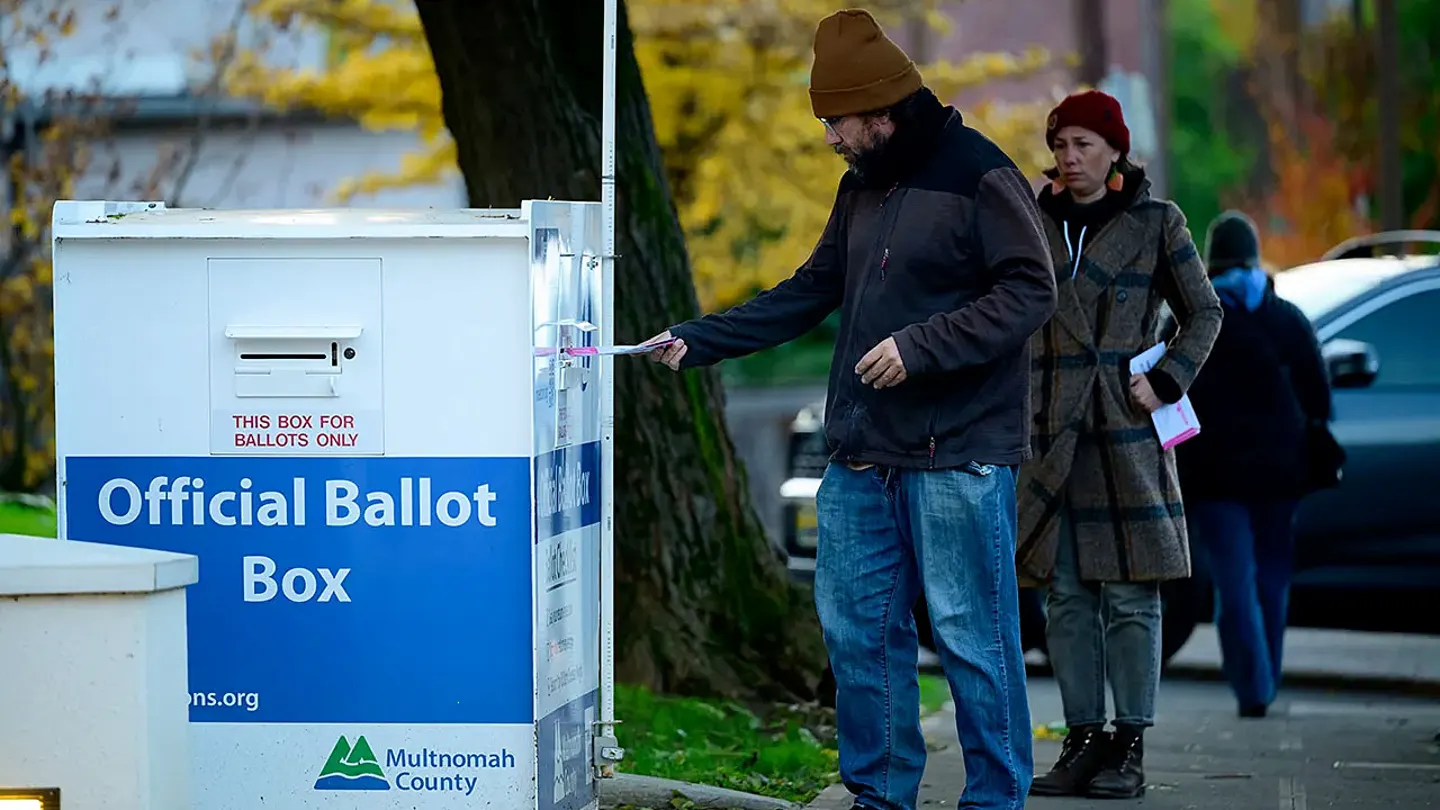
State officials announced they will begin removing hundreds of thousands of inactive voters from Oregon’s registration rolls, a move that comes only after mounting public pressure and multiple lawsuits. According to the state’s own numbers, there are roughly 800,000 inactive voter registrations, accounting for about 20% of Oregon’s total voter rolls—a figure that has raised eyebrows nationwide.
Democratic Secretary of State Tobias Read outlined two new directives aimed at restarting what should have been routine maintenance all along. The first orders counties to immediately cancel long-inactive registrations that already met legal requirements for removal before 2017. These include voters whose election mail was returned as undeliverable, who ignored official notices, and who failed to vote in multiple federal elections. State officials estimate about 160,000 registrations fall into this category and should have been removed years ago. Better late than never, apparently.
The second directive updates voter confirmation cards to clearly warn voters that their registration will be canceled if they fail to respond or vote within the legally required timeframe. This restores a process allowed under federal law and is meant to prevent the backlog from ballooning again.
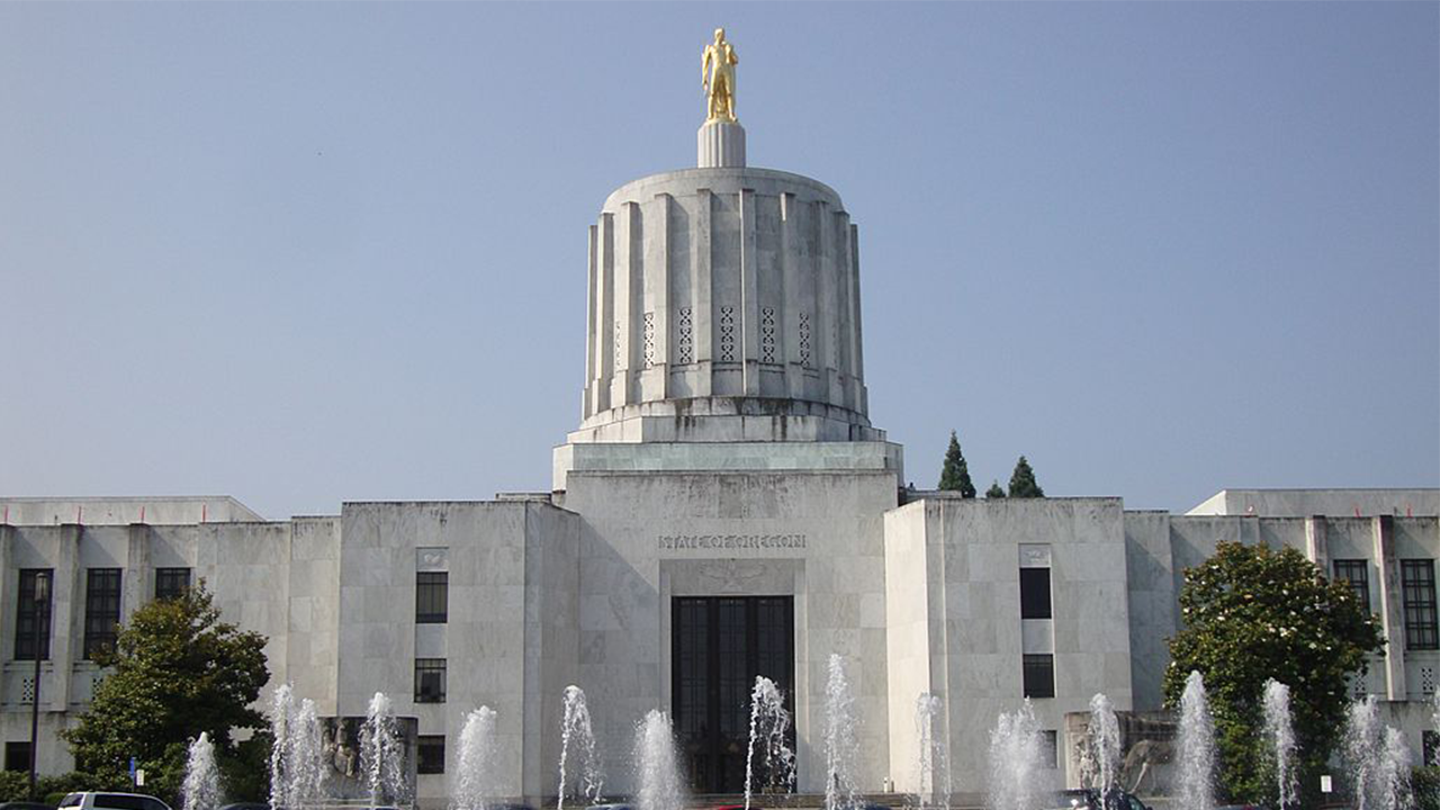
Read framed the move as a confidence-building measure, saying the goal is to run elections that are “secure, fair, and accurate.” He also emphasized—repeatedly—that inactive voters do not receive ballots. Still, inactive voters remain listed in official totals and public records, a practice many election integrity experts argue is a recipe for confusion and error.
Jason Snead, executive director of the Honest Elections Project, didn’t mince words. He called it “astounding” that Oregon failed to remove inactive voters for nearly a decade, noting that voter roll maintenance is “very basic 101 level election administration.” Voter rolls naturally change as people move, die, lose eligibility, or leave the state, and failing to manage that churn leads to bloated and outdated lists.
Snead warned that the issue is even more serious in mail-in voting states like Oregon. Automatically mailing ballots while neglecting routine cleanup increases the risk of ballots being sent to people who are no longer eligible. And while state officials insist safeguards are in place, Snead pointed to Oregon’s recent administrative failures—including the suspension of automatic voter registration in 2024 after non-citizens were mistakenly registered—as reason for healthy skepticism.
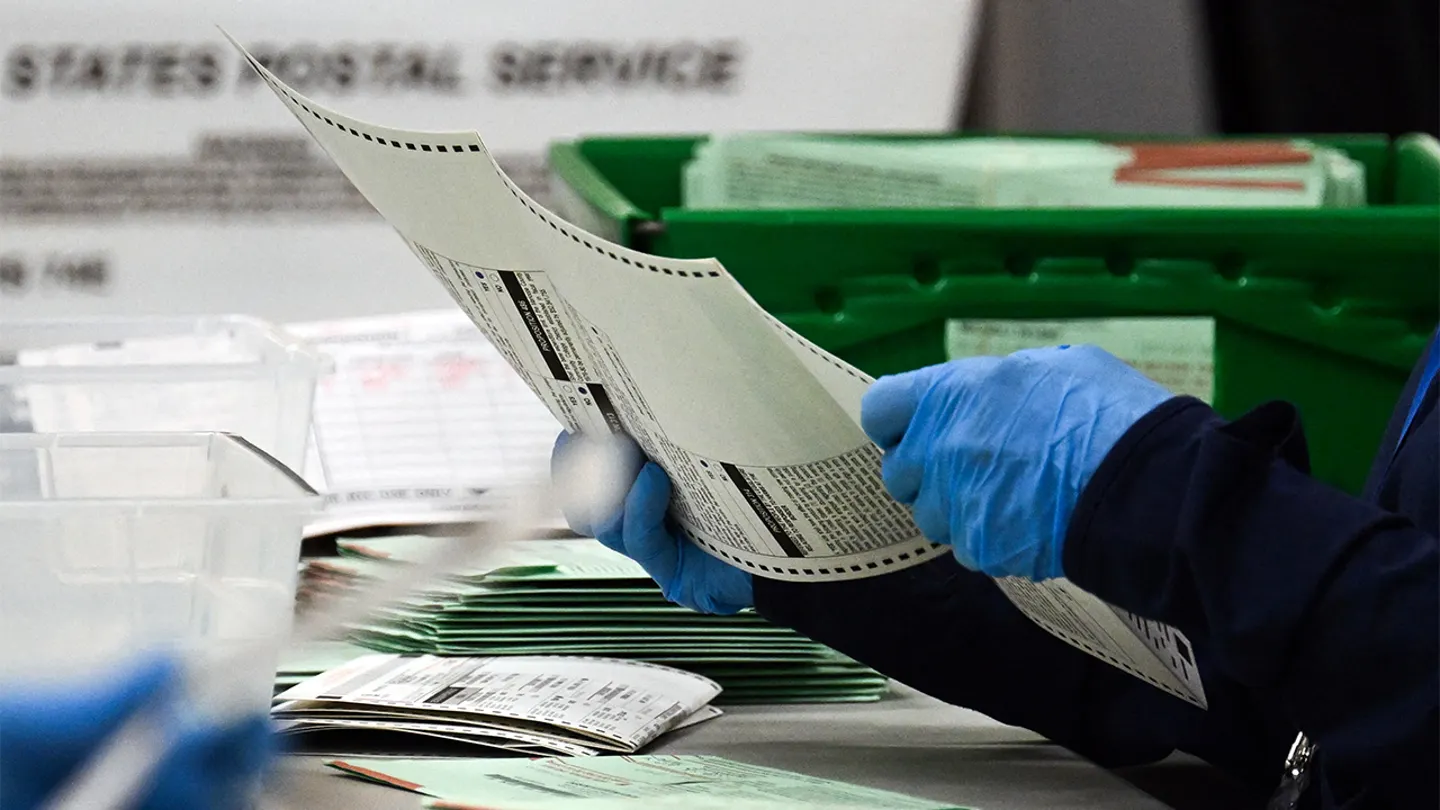
Oregon’s sudden urgency hasn’t gone unnoticed. The state has faced several lawsuits in recent months over its voter rolls, including actions from Judicial Watch, the Public Interest Legal Foundation, and the Department of Justice under President Trump. Snead suggested that litigation may have “forced their hand,” noting what he described as an almost reflexive resistance on the left to cleaning voter rolls—often mislabeled as “voter purges.”
Republicans, meanwhile, have been clear. The RNC noted that Oregon has one of the most bloated voter rolls in the country and criticized Democratic-led states for allowing mail-in voting systems to spiral out of control. Democrats, for their part, continue to accuse Republicans of trying to disenfranchise voters, despite the fact that federal law explicitly requires regular list maintenance.
At the end of the day, this move is a reminder that election integrity isn’t partisan—it’s foundational. Keeping accurate voter rolls protects every eligible voter and strengthens public trust in the system. Oregon may be late to the party, but taking steps to clean up outdated records is a positive development, and it’s a win for transparency, accountability, and confidence in American elections.