In a rare reversal following intense public outrage, prosecutors in central New York have reopened a chilling investigation into sickening allegations that seven Cornell University fraternity brothers drugged and gang-raped a former student. This dramatic step comes after a civil lawsuit filed by the survivor laid bare the horrific details, igniting a firestorm online and forcing authorities to revisit a case that initially appeared to be dismissed.
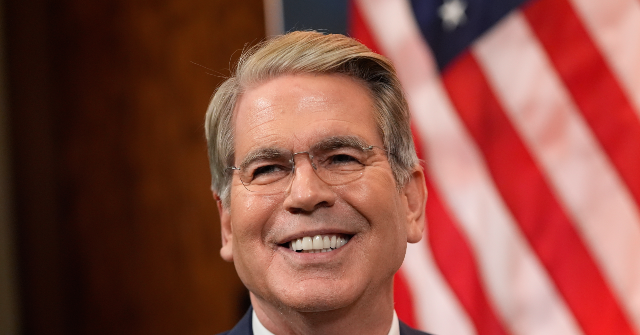
Tompkins County District Attorney Matthew Van Houten confirmed to ABC News that his office is now considering bringing criminal charges related to the incident. This decision marks a significant shift, especially since, according to Van Houten, the allegations detailed in the civil complaint are "dramatically different" from the woman's statement given after the alleged assault occurred in 2024. Questions now loom over why these discrepancies weren't thoroughly investigated earlier.
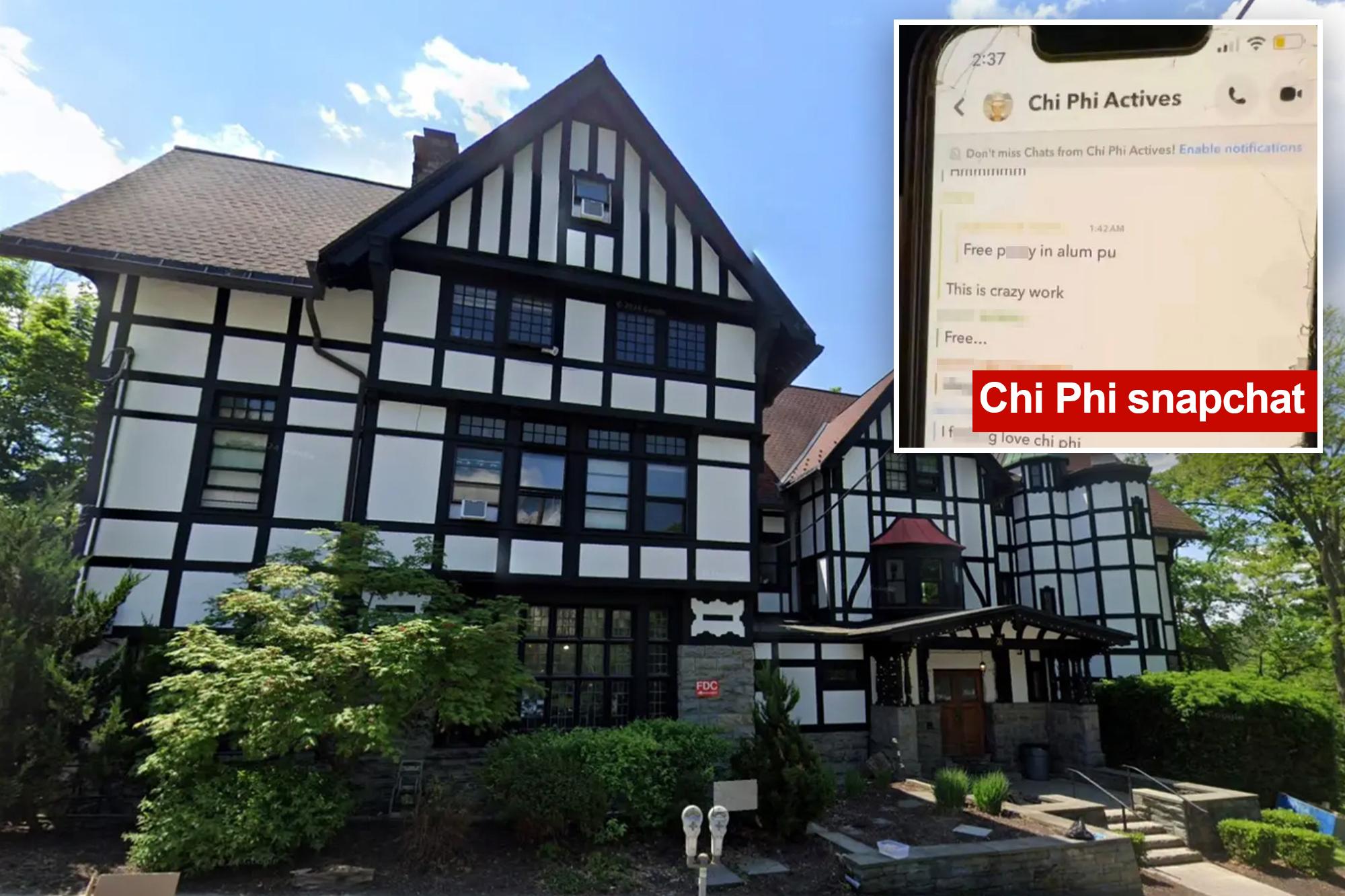
The Sept. 14 civil lawsuit, filed by the victim identified only as Jane Doe, outlines a night of terror at the Chi Phi fraternity house. She alleges she was coerced into taking drugs, assaulted, and repeatedly raped by Matthew Ingalls, Johnathan Newell, Winston Lee, Gillio Lopes, Diego Sarabia, Scott Norris, and Scott Kretzschmar.

Disturbingly, the lawsuit includes a screenshot of a Snapchat message from Newell, allegedly sent to a group of "Chi Phi Actives" about "free p--y" as Doe was reportedly incapacitated. This alarming communication allegedly invited other fraternity brothers to join in the abuse, painting a picture of deliberate and depraved coordination.
Van Houten stated, "It's our intention to present the case to the Tompkins County grand jury with Jane Doe's cooperation." He added, "We want to reexamine whether there's additional evidence that we were not aware of in November of 2024, that exists now that would change our assessment of the case and would result in the grand jury finding that there was criminal conduct."

However, the District Attorney's admission that his office heavily relied on the Cornell University police's initial investigation and and did not "independently investigate" the alleged heinous incident raises serious red flags about the thoroughness of the original probe. Furthermore, Van Houten claimed a critical group chat mentioned in the civil complaint was never provided to his office. Thomas P. Giuffra, Jane Doe's attorney, vehemently disputes this, asserting the "critical piece of evidence" was handed to authorities two years ago.
Giuffra also challenged Van Houten's characterization of his client's initial statement, criticizing the lack of follow-up from authorities, especially from someone with specialized training in sexual abuse cases. "In my experience, speaking with an abuse survivor requires delicacy, understanding and specialized training. An average University Police officer would not have these skills. It would be the role of a specially trained detective or district attorney. However, Ms. Doe was never contacted by anybody with those skills," Giuffra stated. He emphasized, "My client went to the Cornell University Police because a crime was committed. It was the obligation of the police to investigate the complaints. They were given the group chat inviting the members of the fraternity to rape my client. This was a critical piece of evidence supporting that a crime had occurred. Despite this there was no follow-up with Ms. Doe either by the Cornell Police or the Tompkins County District Attorney."

The shocking 101-page lawsuit details a night that began with the then-20-year-old student, who no longer attends the elite university, meeting one of the defendants, Ingalls, at the fraternity house. After declining an alleged offer of a threesome, Ingalls reportedly pressured her to snort ketamine for the first time, alongside consuming marijuana and high-proof rum. Court documents claim Ingalls and Newell then "began engaging in sexual acts with Plaintiff, all without her consent."

As the night progressed, after one frat brother allegedly left, another, Lopes, entered to take his place. Following the sickening Snapchat message at 1:42 a.m., frat members allegedly poured lines of ketamine onto the woman's body and snorted them. One even reportedly poured a line of the powder "onto his erect penis and commanded that Plaintiff snort it, which she did," the suit alleges. The assault is claimed to have continued until 5:45 a.m., after which Jane Doe lost consciousness.
The alleged attack was reported about a week later to campus and Ithaca police. While the fraternity and the named defendants were placed on temporary suspensions, the elite school’s response, according to the deeply disturbing filing, included offering the accused frat boys a chance to "mitigate their conduct by submitting essays." This suggestion of academic redemption for alleged gang rape speaks volumes about the priorities within some institutions of higher learning.

The public outcry has been deafening. Lawmakers, celebrities, and social media users have lambasted Cornell's administration and the district attorney’s office for the glaring lack of accountability. Cornell claims it investigated in line with university policies at the time, and the Xi chapter of the Chi Phi fraternity remains banned. Kyle Kimball, Cornell’s Vice President for University Relations, issued a statement claiming, "We take sexual violence extremely seriously." Yet, a March report found that 35% of undergraduate female students at Cornell reported non-consensual sexual contact in 2025, a troubling increase from 23% in 2023. Apparently, common sense needed a permission slip.
Even Democrat Congresswoman Alexandria Ocasio-Cortez, speaking at a town hall with Cornell and Ithaca College students, didn't hold back, blasting the university for protecting what she called a "factory of sexual assault" plaguing academia. "I want to be clear that the culture of rape, sexual assault, and pedophilia is protected in elite institutions across the United States and including Cornell University in this instance," Ocasio-Cortez declared. "It has got to stop. This entire country is sick and tired of not just financially corrupt, morally corrupt leadership in every institution." She added, "The fact that she had to lose her education, and those men were protected by an institution and granted an Ivy League degree as a reward? Never again."

Actress Florence Pugh echoed these sentiments, expressing that she felt "uneasy and sick and anxious" upon learning of the allegations. "Colleges/schools/universities repeatedly fail women around the world. You build men that get taught through time and time again that they can do extreme harm and that they won't be harmed in return," Pugh wrote in an Instagram post. "There is no equality until you respect our bodies. There is no equality until you stop damaging our souls… We are the life force of this earth, start f**king protecting us. Be angry for us. Please."
Amidst the swirling allegations, Scott Kretzschmar's lawyer, Jeremy Saland, has slammed the lawsuit as "not only intentionally dishonest but morally repugnant." Saland stated his client "welcomes any further investigation by the District Attorney who already determined not to bring charges." He maintained, "While Scott made an immature comment on Snapchat, he did nothing else." Saland further claimed, "The DA reported that the plaintiff never said she was drugged without her knowledge, admitted to consuming alcohol and drugs voluntarily, and acknowledged she wasn't forced to engage in any acts." He concluded with a sharp accusation: "The plaintiff can peddle any story she wants, but intentionally victimizing an innocent person for a money grab is reprehensible."
The reopening of this case is a stark reminder that justice delayed is justice denied, and that institutions, even elite ones, must be held to account when they appear to fail those they are meant to protect. The American people expect transparency, accountability, and a justice system that works for victims, not just to shield the powerful. This fight for truth and justice at Cornell continues, and the spotlight remains firmly on the integrity of our educational and legal systems.