As tensions simmer in the Middle East, Pakistan has stepped in to try and hold together a fragile ceasefire between the United States and Iran — because apparently, when things get complicated, someone has to step up and actually try to get results. ??
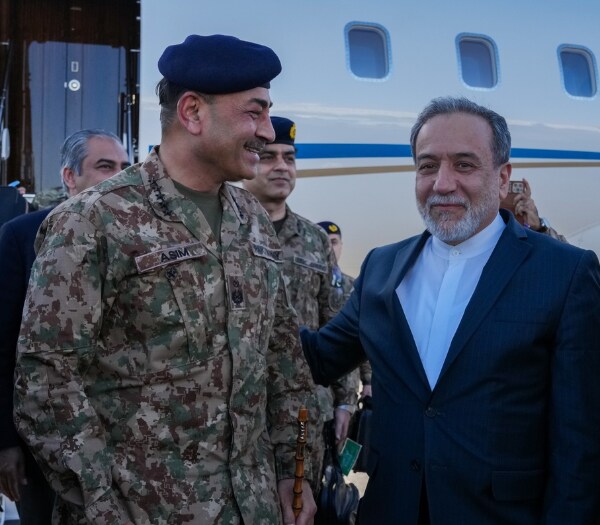
Senior Pakistani mediators, led by army chief Syed Asim Munir, arrived in Tehran in a last-ditch effort to prevent the ceasefire from collapsing next week. The move follows failed weekend negotiations that produced no breakthrough, leaving both sides communicating indirectly through Pakistan while deciding whether to return to formal talks.
The delegation’s mission is clear: extend the ceasefire, organize a second round of negotiations, and tackle major sticking points like Iran’s nuclear program, maritime security, and the strategic Strait of Hormuz. Iran has continued exchanging messages with Washington through Islamabad, but so far, no new talks have been officially scheduled.
Meanwhile, the situation on the ground — or more accurately, at sea — is becoming increasingly tense. The United States has enforced a naval blockade that has effectively halted shipping in and out of Iran in recent days. In response, Iran has threatened to expand the conflict by targeting major global trade routes, including the Persian Gulf, Gulf of Oman, and even the Red Sea.
Iranian officials have also signaled potential disruption at key chokepoints like the Bab el-Mandeb, a critical passage for global energy shipments linking the Indian Ocean to the Mediterranean. Analysts warn that Iran could use allied forces, including Houthi groups in Yemen, to create a second major bottleneck for global trade. Because one crisis clearly isn’t enough. ?
Despite these threats, experts note that Iran’s ability to fully control multiple sea lanes at once remains uncertain. However, the country still has the capability to disrupt shipping through mines, drones, and fast-attack craft, as well as through regional proxies — enough to keep global markets on edge.
At the White House, press secretary Karoline Leavitt expressed optimism, stating officials “feel good about the prospects of a deal,” while emphasizing that it would be in Iran’s best interest to meet U.S. demands. It’s a message that reflects a broader strategy: strength, pressure, and a clear expectation of accountability.
The urgency is hard to overstate. Analysts warn that if disruptions intensify, the global economy could face not just rising prices but actual shortages of critical goods within days. With the Strait of Hormuz carrying roughly a fifth of the world’s oil, any prolonged disruption could trigger cascading effects across industries worldwide.
For now, the focus remains on diplomacy — backed by firm action. The coming days will be critical, but there’s still a path forward. With strong leadership, strategic pressure, and continued negotiation, there’s real potential to stabilize the situation and avoid a larger crisis. And in moments like this, decisive action — not endless hesitation — is what keeps the world moving forward. ??✨