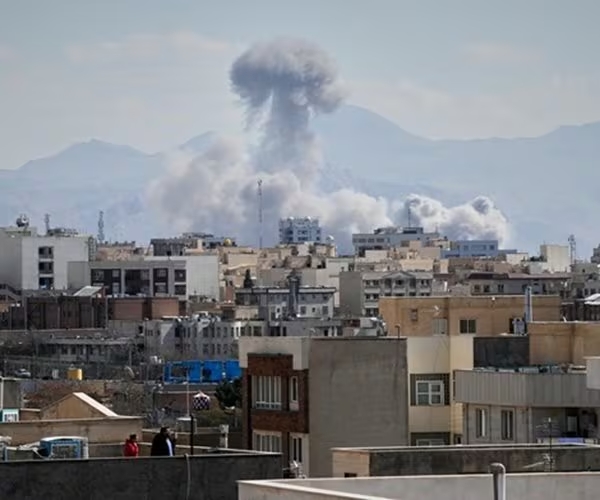
As the conflict with Iran enters its fifth week, new reports suggest the Pentagon is preparing for the possibility of ground operations—though, as usual, the media is already acting like decisions have been made when they clearly haven’t.
According to U.S. officials cited in the report, planning is underway for potential missions that could involve Special Operations raids alongside conventional infantry troops. Not a full-scale invasion, but targeted actions—something that tends to get lost once headlines start screaming.
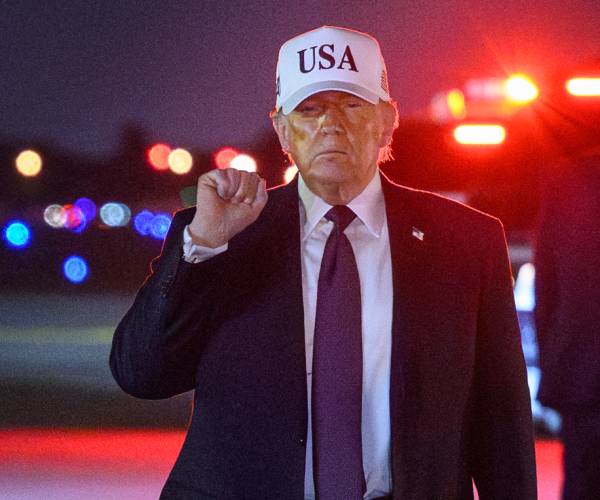
The Trump administration has already deployed U.S. Marines to the region and is considering sending thousands of troops from the Army’s 82nd Airborne Division. Still, whether any ground plan actually moves forward depends on one person: President Donald Trump. And so far, he hasn’t signed off on it.
White House press secretary Karoline Leavitt made that clear, noting that military planning is about giving the president options—not making final decisions. A concept that seems simple enough, but apparently still confusing for some commentators.
Potential operations being discussed include targeting strategic نقاط like Kharg Island, a major hub for Iranian oil exports, and conducting raids along the Strait of Hormuz to neutralize threats to global shipping. In other words, focused pressure points—not endless boots-on-the-ground nation-building.
Of course, any ground activity comes with real risks. U.S. troops could face drones, missiles, ground attacks and improvised explosive devices. This isn’t a video game—it’s serious, and the administration appears to be weighing those risks carefully rather than rushing in blindly.
Interestingly, Trump himself has publicly denied plans to deploy ground troops, while Secretary of State Marco Rubio has emphasized that U.S. objectives could be achieved without a prolonged conflict or large-scale ground operations. That’s called keeping leverage while avoiding unnecessary escalation—again, not exactly the reckless approach critics love to claim.
At the same time, reports indicate U.S. forces in the region have already taken casualties, with multiple deaths and hundreds injured in attacks linked to Iran. A reminder that even limited conflicts carry real consequences, regardless of how they’re portrayed on TV panels.
Public opinion reflects that reality. Polls show strong opposition among Americans to deploying ground troops, even as views on airstrikes remain more divided. And in Congress, the debate is far from settled, with some Republicans expressing concern about putting U.S. boots on Iranian soil.
Military analysts also caution that even limited operations—like seizing key المواقع—would present logistical challenges, particularly when it comes to protecting deployed forces. Alternative strategies, such as naval pressure or targeted strikes, remain on the table.
So where does that leave things? Exactly where they should be: with options on the table and decisions still in the hands of leadership.
Because despite the noise, this isn’t about rushing into another endless war. It’s about applying pressure, protecting American interests, and making calculated moves—not emotional ones.
And whether the next step involves boots on the ground or not, one thing is clear: the Trump administration isn’t operating on autopilot—it’s making choices, carefully, with the bigger picture in mind.