Three top phone company executives testified Tuesday about why they turned over Republicans’ phone records to former special counsel Jack Smith — quietly, efficiently, and with apparently very few questions asked.
According to Senate Judiciary Committee Chairman Chuck Grassley, Smith’s investigation — originally known as the Arctic Frost probe — issued at least 84 subpoenas, including at least 10 tied to 20 current or former Republican members of Congress. The subpoenas were part of Smith’s case against President Donald Trump.
Verizon Senior Vice President and General Counsel Chris Miller told lawmakers the companies have now updated their procedures to avoid future embarrassment. “We have put new processes in place to increase transparency to members whose information is sought by law enforcement,” Miller said, adding that Verizon has been working with Congress and the administration in response to the committee’s concerns.
Smith’s subpoenas requested toll records — logs of calls and texts, their duration, and the numbers contacted — but not the content of the communications.
Executives claimed they often didn’t know the records belonged to members of Congress. Miller said subpoena analysts are trained to respond to legal demands, not to investigate who the subscriber actually is. In other words: stamp, ship, and move on.
Verizon and T-Mobile both complied with Smith’s requests. AT&T, however, pushed back when it came to Republican Sen. Ted Cruz of Texas. AT&T Senior Executive Vice President and General Counsel David McAtee explained that after responding to several subpoenas, the company noticed a pattern and contacted Cruz’s attorneys.
Cruz’s account was easier to identify because it was a campaign line, not a personal phone, McAtee said. By contrast, McCarthy’s records were harder to spot. “In our database of customers, there are over 2,000 Kevin McCarthy’s,” he said. AT&T has since begun creating a database to help members of Congress flag their own numbers.
When AT&T raised constitutional concerns about Cruz’s records, Smith’s team did not respond, McAtee confirmed.
Before approving the subpoenas, former DOJ Public Integrity Section chief John Keller warned prosecutors there was “some litigation risk” that seizing legislative call records could violate the Speech or Debate Clause. That warning, apparently, did not slow anyone down.
Republican Sen. Josh Hawley summed it up bluntly. “With one exception, Mr. McAtee’s company AT&T — all the other guys just handed over this data,” he said. “They couldn’t do it fast enough. When they want to bill you, they can find you in a heartbeat. When it comes time to protect your data, they’re nowhere to be found.”
Several senators pointed out that Verizon violated its Senate contract, which requires notifying lawmakers when records tied to official lines are requested.
“You failed me,” Sen. Lindsey Graham told Miller. “You failed to honor the contract protecting all of us.”
Sen. Marsha Blackburn, who chaired the hearing, called the episode “the worst weaponization of government in American history.”
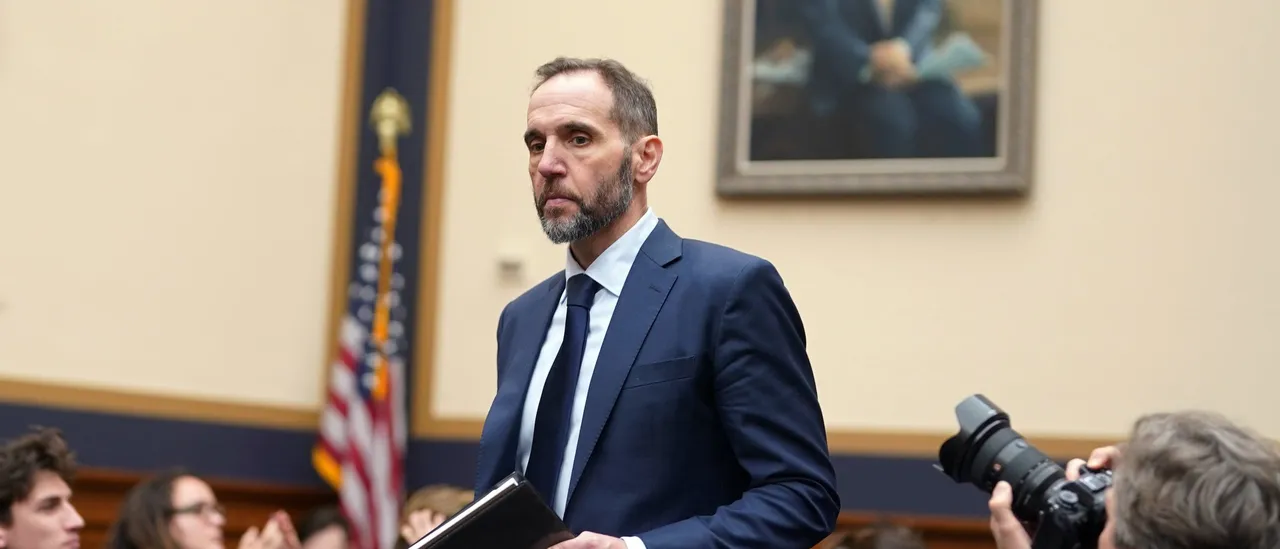
Smith previously testified before the House Judiciary Committee in January, where these subpoenas were a major focus. He admitted that former House Speaker Kevin McCarthy was not a “flight risk” that would justify secrecy over his records, but said nondisclosure orders were based on investigative risk — not the identity of the person targeted.
Democrats, unsurprisingly, defended Smith. Sen. Dick Durbin argued that Smith should have been the one testifying, not the telecom executives who complied with what he called “legally issued subpoenas.”
But the hearing made one thing clear: when Jack Smith came calling, most phone companies didn’t hesitate — even when members of Congress and constitutional protections were involved. And that only reinforces why Americans increasingly see this episode not as justice, but as another chapter in the political weaponization of government — a chapter the Trump era has forced into the open.