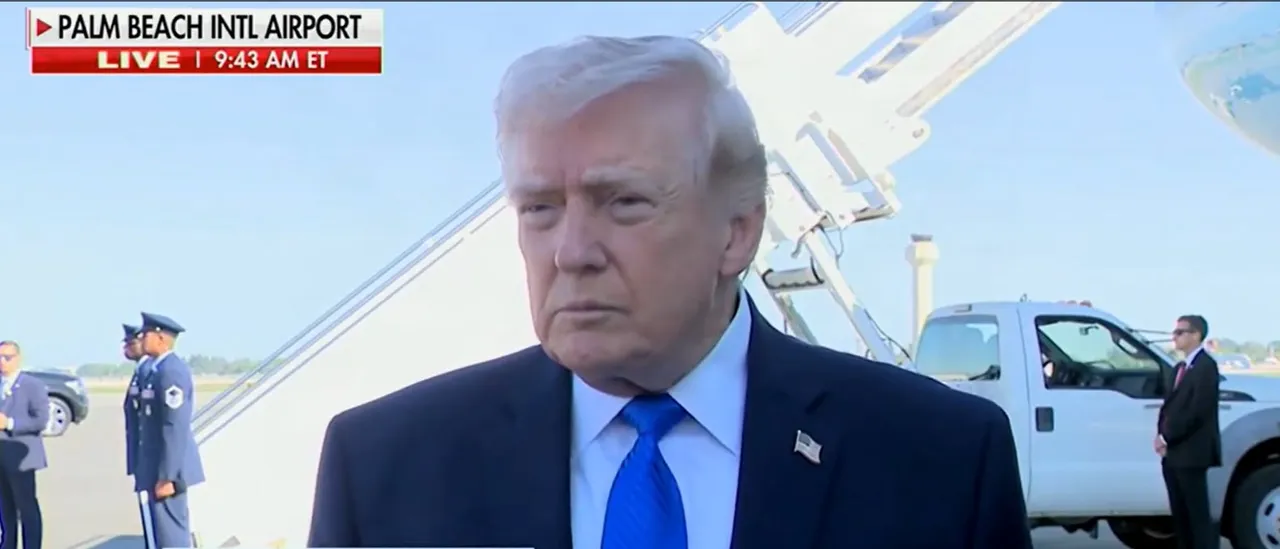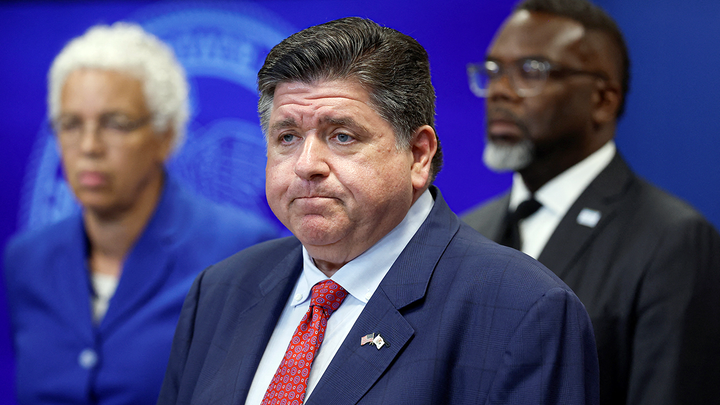
Illinois Governor JB Pritzker is finally speaking out after the tragic murder of 18-year-old Loyola University student Sheridan Gorman—but instead of addressing the bigger concerns, he’s pointing the finger at President Donald Trump.
Gorman, a freshman from New York, was shot and killed while admiring the aurora borealis along Lake Michigan. The suspect, Venezuelan national Jose Medina-Medina, now faces charges in a case that has quickly drawn national attention.
Pritzker’s office released a statement expressing sympathy for the victim’s family and calling the crime “senseless,” adding that the suspect should be held accountable to the fullest extent of the law. Fair enough—basic expectations, right?
But then came the pivot.
The governor’s office accused the Trump administration of “politicizing” the tragedy, urging a focus on what they described as “real solutions,” including restoring federal funding for violence prevention programs. Because apparently, discussing the circumstances surrounding a high-profile case is now considered off-limits.
What’s raising eyebrows, however, is what wasn’t addressed.
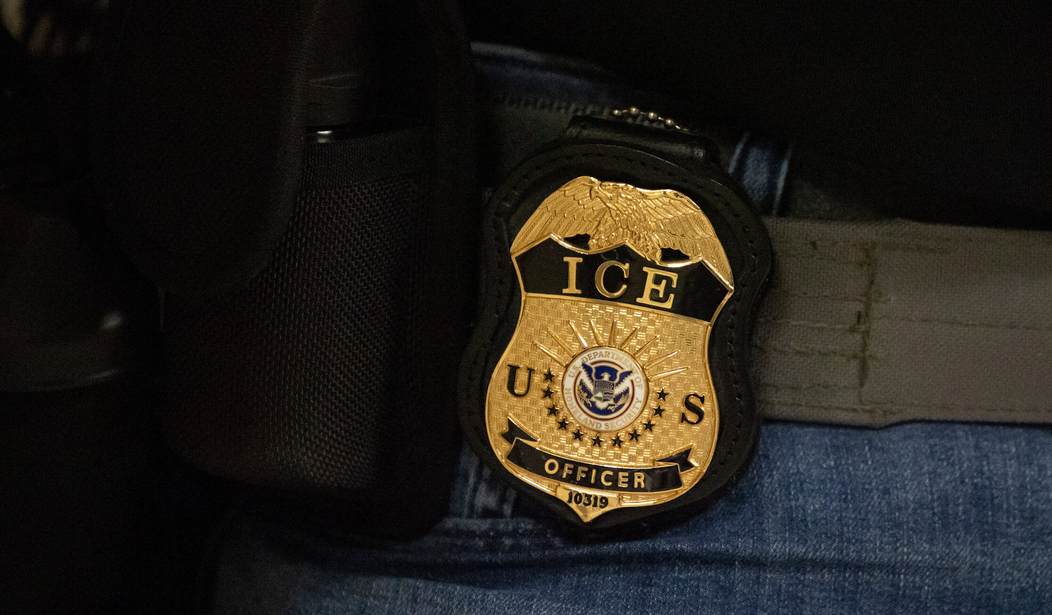
Pritzker did not respond to questions about whether Illinois authorities would comply with the Laken Riley Act, which involves holding illegal immigrants for federal authorities. That silence is getting attention, especially given that Immigration and Customs Enforcement has already issued a detainer for the suspect.
And here’s where things get more complicated.
Chicago operates as a sanctuary jurisdiction, and Illinois enforces the TRUST Act, limiting cooperation with federal immigration authorities. Policies like these have been at the center of ongoing debates about public safety and immigration enforcement—debates that aren’t going away anytime soon.
Critics have also pointed out the governor’s delayed response to this case, especially when compared to his quicker reactions to other incidents. Timing, as always, matters.
The broader issue? Situations like this bring national attention to how immigration policy, local laws, and public safety intersect—whether politicians like it or not.
The takeaway is clear: Americans are paying attention, asking questions, and expecting answers.
And while the politics may get messy, the focus remains where it should be—justice for the victim and ensuring communities are kept safe moving forward.