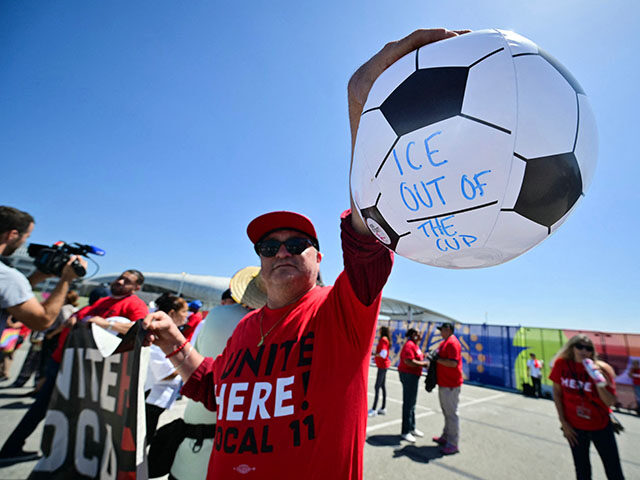
As the United States hosts World Cup events, pro-migration activists and advocacy organizations are using the global tournament to campaign against Immigration and Customs Enforcement (ICE) operations, arguing that illegal migrants, workers, and fans should be shielded from immigration enforcement during the competition.
The effort has gained visibility in Los Angeles, where union members connected to SoFi Stadium have called for ICE to suspend enforcement activities around World Cup-related events. Activists argue that migrants attending games, working at venues, or participating in fan activities should not fear detention or deportation.
United Here union member Yolanda Fierro told reporters that many migrants are hardworking individuals supporting their families and said organizers want visitors and workers to feel safe during the tournament.
Advocacy groups across the country have echoed similar concerns, arguing that increased immigration enforcement is discouraging migrants from attending matches, fan festivals, and community events tied to the World Cup.
Several activist organizations have openly acknowledged using the tournament’s international media attention to amplify their message. Kim Herdman-Shapiro, a migration activist in New Hampshire, said the influx of global media presents an opportunity to draw attention to concerns about detention conditions and fears within immigrant communities.
Other advocates have focused on what they describe as anxiety among migrants who worry about possible ICE operations near stadiums, public gatherings, and residential areas. Activists in Florida and Texas have claimed that some migrants are reluctant to leave their homes or attend World Cup events because of concerns about immigration enforcement.
The debate reflects a broader national dispute over immigration policy and enforcement. Supporters of stricter immigration controls argue that federal law should continue to be enforced regardless of major sporting events, while activists contend that enforcement actions create fear within immigrant communities.
Critics of the stand-down campaign note that ICE’s mission is to enforce existing immigration laws and maintain border security, not adjust operations based on entertainment schedules or international tournaments. After all, if the World Cup becomes a reason to suspend immigration enforcement, some may wonder what event comes next.
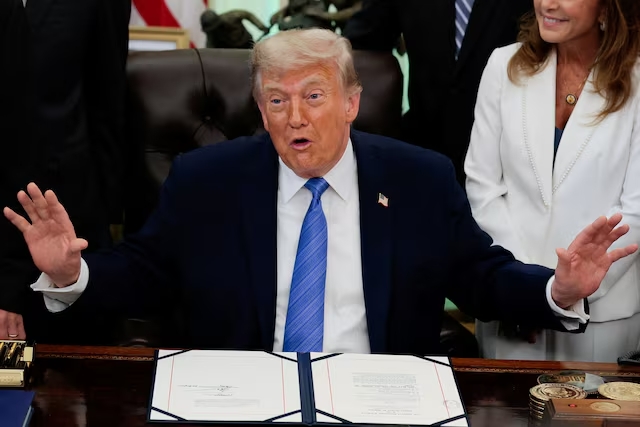
The controversy is likely to continue throughout the tournament as advocacy groups seek to leverage the global attention surrounding the World Cup, while the Trump administration continues emphasizing immigration enforcement as a central component of its policy agenda. For supporters of stronger border security, the issue remains straightforward: major international events may come and go, but the responsibility to enforce the law remains constant.