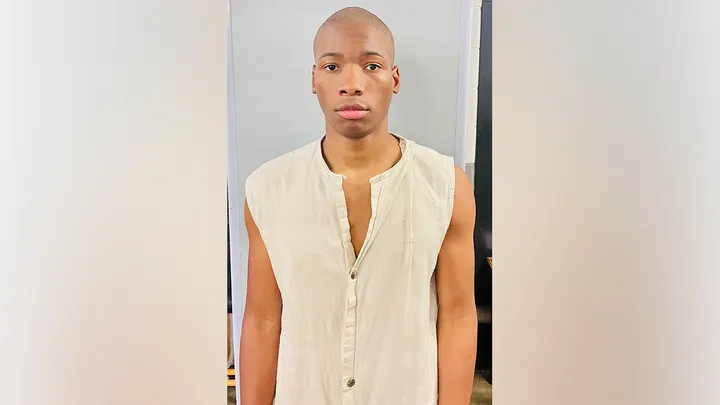
Karmelo Anthony, the Texas man convicted of murdering high school athlete Austin Metcalf during a 2025 track meet, is requesting a court-appointed attorney for his appeal, claiming he is unable to afford legal representation despite a major donor-funded campaign that raised hundreds of thousands of dollars.
Anthony was convicted by a Collin County jury and sentenced to 35 years in prison for the killing of Metcalf. Shortly after the verdict, he filed a notice of appeal and submitted a request for a public defender, describing himself in court documents as a “penniless, destitute and indigent person” who is unable to hire an attorney.
The request has drawn attention because a GiveSendGo fundraiser created to support Anthony and his family raised approximately $634,000, nearly half of its $1.4 million fundraising goal.
The campaign stated that the money was not only intended for legal expenses but also for other needs, including relocating the Anthony family due to reported safety concerns, basic living expenses, transportation, counseling, and security measures.
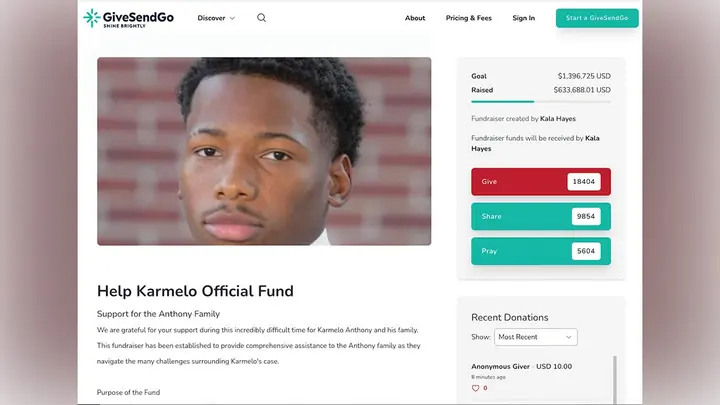
Anthony’s appeal request has raised questions about how courts determine eligibility for publicly funded legal assistance and whether donated funds available to a defendant’s family can impact claims of financial hardship.
The case has remained highly controversial since Anthony was accused of fatally stabbing 17-year-old Austin Metcalf during a high school track meet in Frisco, Texas. The conviction brought a sentence of 35 years behind bars, but Anthony has continued pursuing legal options to challenge the outcome.
Supporters of Anthony’s appeal argue that every convicted person has the right to legal representation during the appeals process. Critics, however, point to the significant fundraising effort and question the claim that he has no available financial resources. Apparently, "penniless" becomes a much more complicated word when hundreds of thousands of dollars are involved.
As the appeal process moves forward, the court will determine whether Anthony qualifies for appointed counsel and how his financial situation should be evaluated. The case continues to attract national attention as questions remain about the conviction, the appeal, and the role of public donations in high-profile criminal cases.