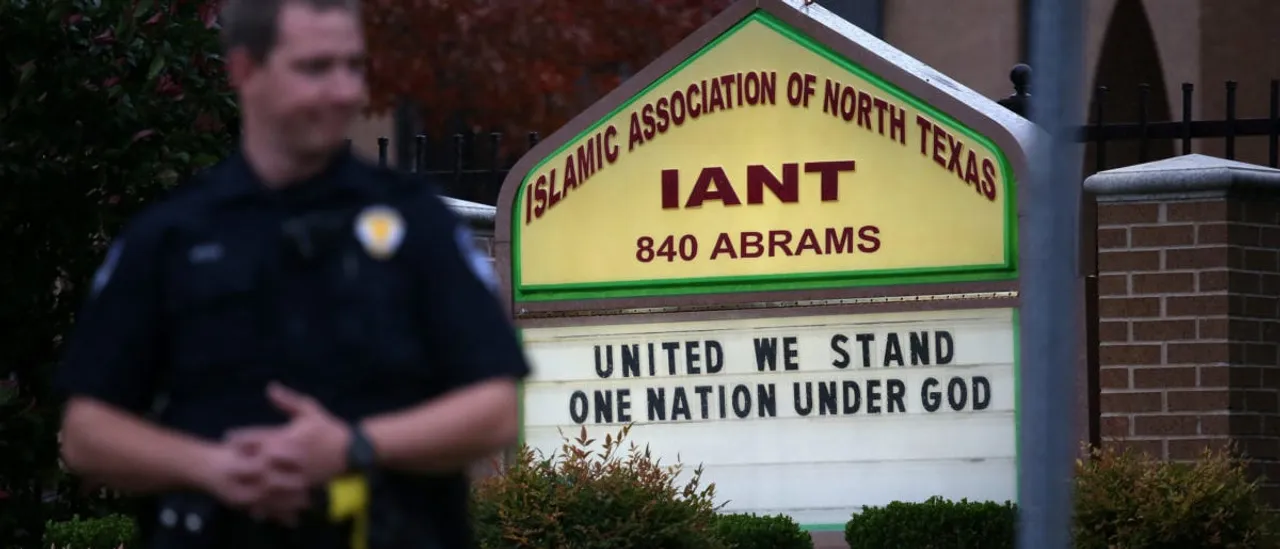
Well, that didn’t last long.
Plans to build a massive “sustainable” community in rural Texas—one that raised serious concerns among locals—have officially been scrapped after scrutiny, public pressure, and a state-level investigation.
According to Rep. Lance Gooden, the developers behind the project have decided to walk away from Kaufman County altogether. And just like that, what was shaping up to be a major controversy is now… over.
The proposed development, backed by UAE-based SEE Holding, aimed to house up to 20,000 residents in an unincorporated area. On paper, it was pitched as a “sustainable city” focused on net-zero emissions. Sounds nice—until you look at the details people were actually worried about.
Local residents began raising red flags in early February, accusing officials of keeping things unusually quiet. Concerns quickly escalated, especially with allegations that the project could function as a kind of insular, religious-based community, something critics described as potentially resembling a “sharia city.”
That was enough to get the attention of Texas Attorney General Ken Paxton, who launched a formal investigation. And once that happened, the spotlight got a whole lot brighter.
Residents weren’t just worried about cultural impacts—they also pointed to practical issues, like water demand and infrastructure strain. Three new water districts for a single development? Yeah, that raised a few eyebrows.
Rep. Gooden said he personally spoke with the developers and encouraged them to reconsider whether this was the right move at the right time. Shortly after, they pulled the plug.
“I’m pleased to announce they’ve decided not to move forward,” he said—translation: crisis averted.
County officials, for their part, pushed back on claims of secrecy, insisting that all meetings followed standard procedures. But by then, the damage was done, and the scrutiny had already shifted the momentum.
In the end, this is a textbook example of what happens when communities stay engaged and demand transparency. A project that might have quietly moved forward instead got full public attention—and ultimately stopped.
And here’s the positive takeaway: the system worked. Local voices were heard, leaders stepped in, and concerns were addressed before things went too far.