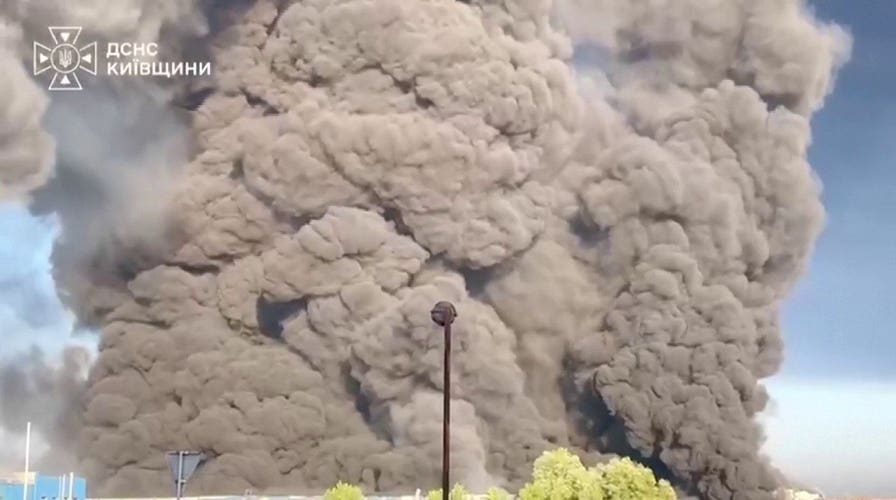
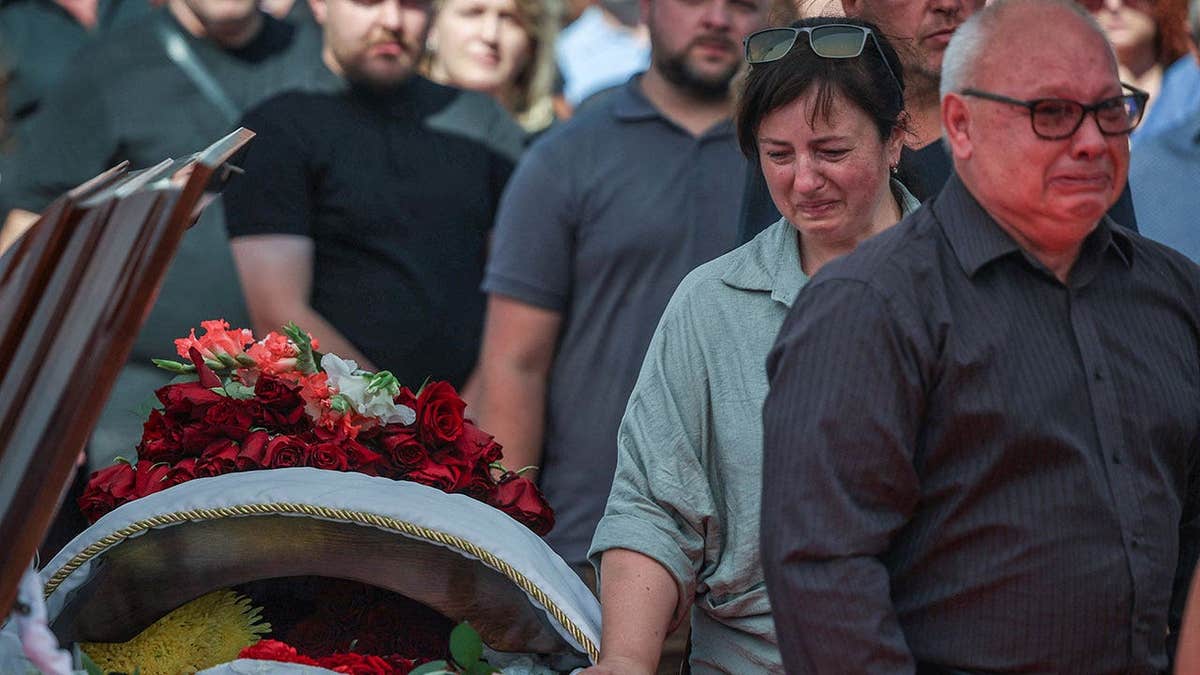
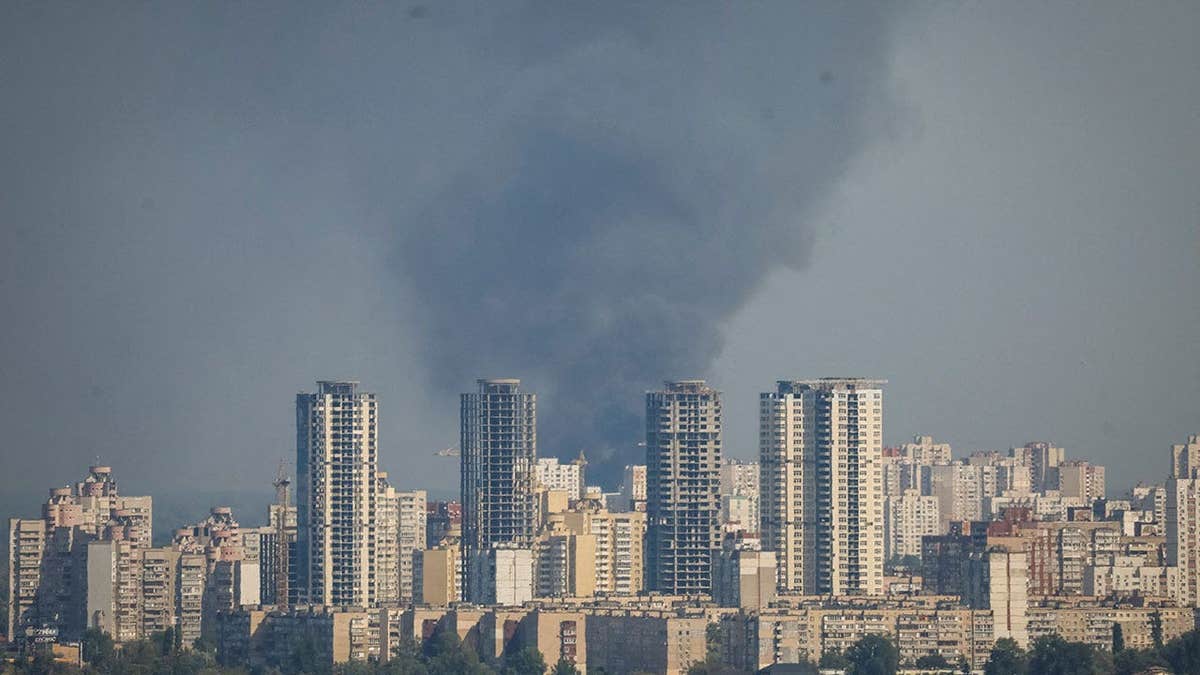
Ukraine’s capital, Kyiv, has been plunged back into a harrowing cycle of relentless aerial assaults, enduring near-constant air raid alerts and devastating drone attacks that now strike with impunity even in broad daylight. This escalating terror campaign, a stark departure from previous nighttime barrages, marks a brutal new phase in Vladimir Putin's war of attrition.
Ukrainian President Volodymyr Zelenskyy revealed a staggering escalation, stating Russia unleashed nearly 1,500 drones over just four days, many of them jet-powered. "Moscow is attempting to wear down Ukraine and its population," Zelenskyy declared, as daily life grinds to a halt, metro systems are repeatedly interrupted, and exhausted citizens are forced back into shelters.
Beyond civilian terror, Putin's strategy has aggressively targeted Ukraine's vital economic lifelines. Warehouses and logistics networks, crucial for everyday necessities, have been systematically devastated. Ukraine’s Agriculture Minister, Taras Vysotskyi, starkly reported that "roughly speaking, 90% of food logistics operated by retail chains have been destroyed." This calculated assault has already left some Kyiv supermarkets grappling with shortages of staples like bread, potatoes, and oatmeal, forcing retailers to impose purchasing limits.

Yet, even as Putin ratchets up his aggression, Ukraine has been far from passive. Kyiv has successfully expanded its own counter-offensive, striking deep into Russian territory to target economic infrastructure. Oil facilities, major online retailer warehouses like Wildberries and Ozon, and key logistics hubs have all felt the sting of Ukrainian drones, demonstrating a growing capability to inflict reciprocal damage.
This strategic tit-for-tat has led military experts to a crucial conclusion: the tide of battle may be turning. Retired Air Force Lt. Gen. Richard Newton, a former USAF assistant vice chief of staff, told Fox News Digital that "the momentum has swung in Ukraine's favor over the last year or so." He praised Ukraine’s "tremendous resolve and capability to push back against Russia."
General Newton specifically highlighted Ukraine's "quite remarkable" drone warfare, citing successful strikes against Russian "energy production capability, logistics supply chains, and so forth." This innovative approach to warfare exposes vulnerabilities in Moscow's supposedly formidable defenses, showcasing the adaptability and grit of the Ukrainian forces.

However, Ukraine's impressive gains face a critical hurdle. General Newton cautioned about a "shortage of U.S.-made Patriot air defense interceptors," systems in high global demand. This vital need underscores the urgency of robust American support, and thankfully, President Trump has indicated a significant policy shift that could empower Ukraine on this front.
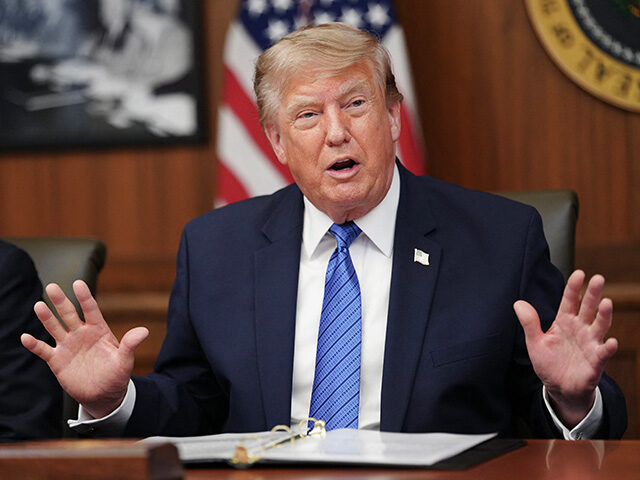
In a move signaling a clear America First approach that prioritizes efficiency and leverage, President Trump has voiced support for allowing Ukraine to produce its own Patriot missiles. This strategic shift moves beyond simple aid, aiming to bolster Ukraine's long-term defense capabilities while aligning with a vision of stronger, more self-reliant allies.
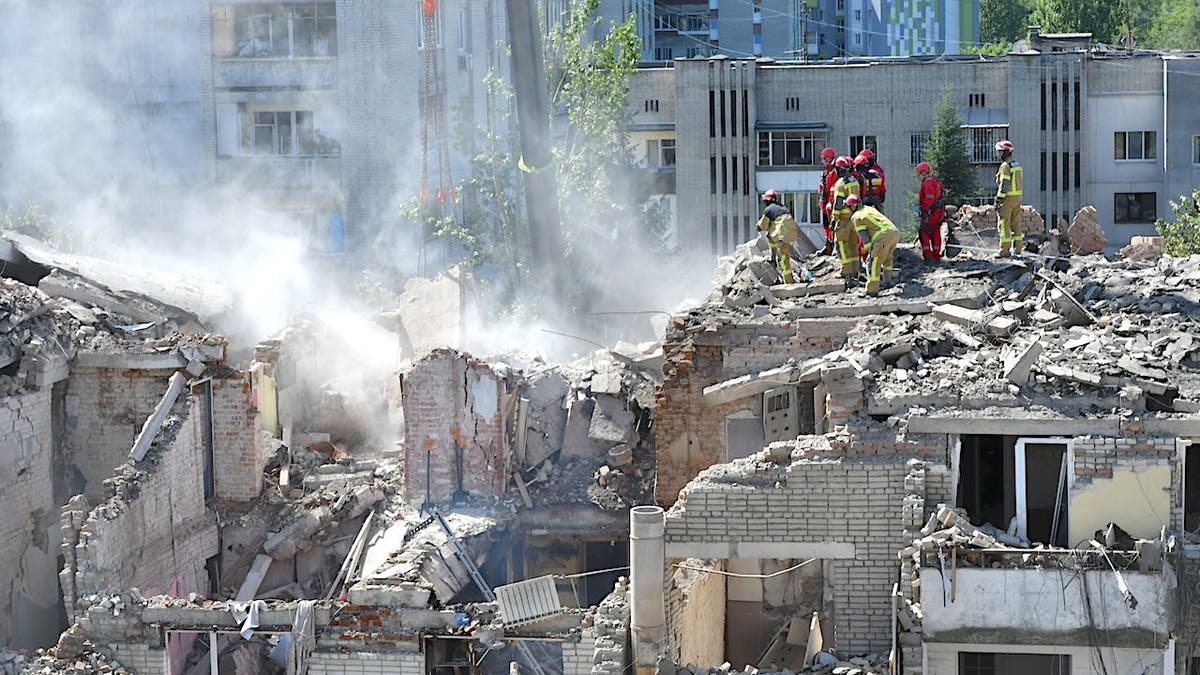
While Putin unleashes hell on Ukraine, a recent report from The Economist paints a picture of a dictator gripped by profound fear. He reportedly dreads ending the war without securing even his minimum objective – control of the Donbas – believing such a failure could threaten his grip on power, and even his personal safety. An unnamed insider cited by The Economist chillingly claimed Putin once told those around him, "They will hang me." (Fox News Digital has not independently verified these remarks).
This reported internal anxiety within the Kremlin is mirrored by growing dissatisfaction among ordinary Russians, with a sense of pessimism even among Russia's elite. After nearly five years consumed by this costly war, many now reportedly view it as an undeniable failure, regardless of the eventual outcome.
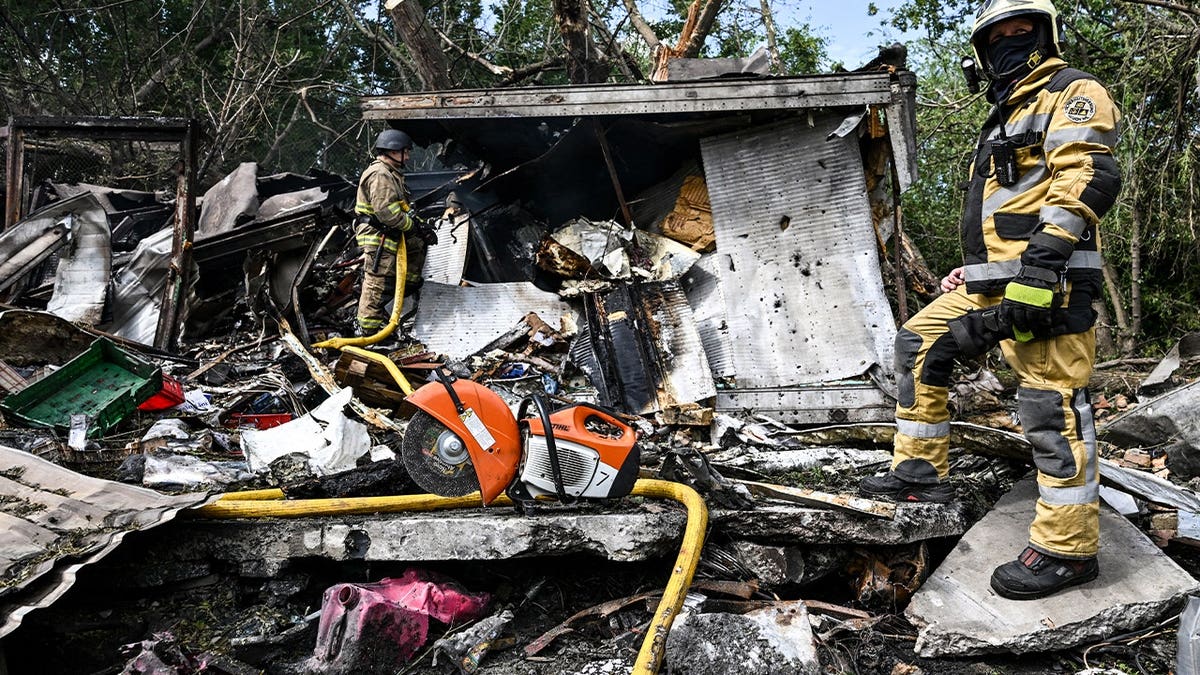
The stakes for global stability, and America's role in it, have rarely been higher. General Newton stressed that "it's more important now for NATO to remain firm perhaps at any time since the end of the Cold War," warning that "a weakened NATO emboldens Putin and Russia not only against Ukraine but the entire alliance." As Russia's leader reportedly grapples with internal fear and external desperation, the world watches, understanding that strong leadership and unwavering commitment to freedom are the only answer to tyranny's expansion.