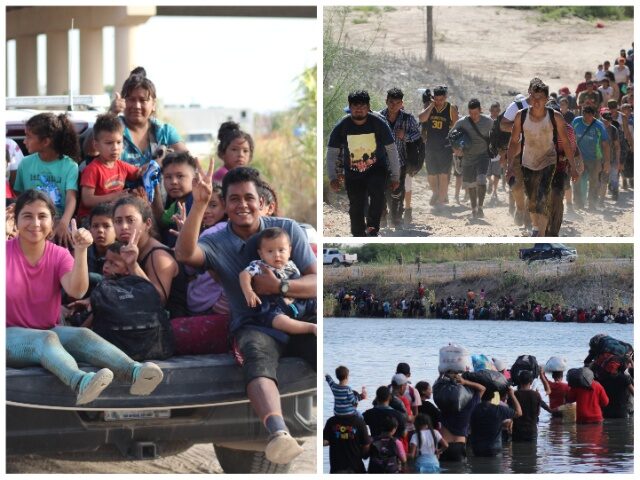
A case federal officials say should have raised red flags earlier is now putting renewed attention on immigration enforcement, local prosecutorial discretion, and a growing question many Americans have been asking for years: how many preventable crimes happen after someone who should not have been released is sent back into the community?
Federal officials announced Wednesday that an illegal immigrant now facing charges tied to attempted abduction and indecent exposure had previously been released by Virginia authorities who themselves are under investigation over claims of offering favorable treatment to illegal immigrants.
According to a statement from the Department of Homeland Security, the suspect was identified as Moises Domingo Rico Rosales, a Nicaraguan national.
Federal officials say the incident began earlier this month when Rosales exposed himself to a woman at a park and later attempted to abduct another woman that same day.
The allegations remain pending and have not been proven in court. But the timeline described by federal authorities immediately shifted attention beyond the individual case and toward the decisions that allowed the situation to unfold.
At the center of the controversy is the fact that Rosales had reportedly already been released by local officials despite broader concerns over immigration enforcement policies.
That detail matters.
The public debate around so-called sanctuary approaches and selective enforcement is often framed as abstract policy language. Cases like this pull that debate out of committee hearings and into neighborhoods, parks, and ordinary daily life.
The added political pressure comes from another layer of the story: the Virginia officials involved are already under investigation over allegations that illegal immigrants received preferential treatment.
If those claims are substantiated, critics argue the issue becomes larger than one release decision — it becomes a question of whether public officials applied the law differently depending on immigration status.
The administration has repeatedly argued that immigration enforcement is not primarily about politics or slogans but about public safety and equal application of the law. Cases involving repeat encounters with authorities have become central to that argument.
For many Americans, the concern is not complicated. Border security means little if enforcement disappears once someone is already inside the country. And accountability means little if officials who make those decisions never have to explain them afterward.
The charges against Rosales will move through the legal process. The investigation into local officials will do the same. But the broader question is already hanging in the air: when government chooses ideology over enforcement and something goes wrong, who answers for the consequences?