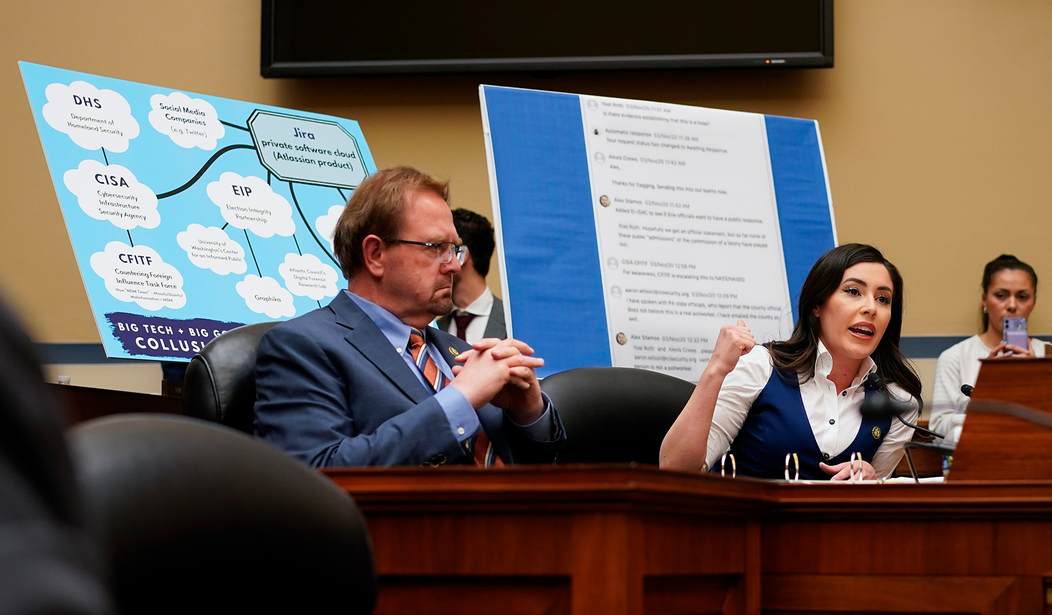
Republican Rep. Chuck Edwards is calling it quits.
After an ethics report recommended that the North Carolina congressman be censured over his conduct toward two young female staffers, Edwards announced Wednesday that he was abandoning his reelection campaign — ending a political fight that had already become increasingly difficult to defend.
Edwards said he will remain in Congress through the end of his current term.
The House Ethics Committee issued its recommendation just two days before Edwards' announcement, finding that his conduct toward the two staffers warranted formal punishment. The committee's report said both women ultimately left his congressional office because of his behavior.
Edwards disputes the committee's conclusions, arguing that neither staffer ever told him that his attention was unwanted.
But politically, the damage was already done.
The Race Was Collapsing
Edwards was not merely facing an ethics problem. He was facing a reelection campaign that was rapidly becoming a Republican nightmare.
Democratic nominee Jamie Ager had already gained significant ground, while Edwards was being outraised by roughly 9 to 1.
Sabato's Crystal Ball moved North Carolina's 11th Congressional District from “Lean Republican” to “Toss-Up” last week.
Then came the Ethics Committee report.
According to a source familiar with the matter, Sen. Ted Budd spoke with Edwards Tuesday and told him the race was no longer winnable.
Budd's office declined to discuss the private conversation but described the ethics report as “deeply concerning.”
The senator's assessment was blunt: Edwards was already trailing in the polls and being dramatically outspent before the ethics report landed.
Afterward, the path became even steeper.
Pressure Came From His Own Party
The Republican Party did not exactly rush to Edwards' defense.
Rep. Anna Paulina Luna said she would support censuring him, while a House Republican leadership aide indicated there was no obvious route for Edwards to avoid formal punishment.
That left the incumbent facing pressure from Democrats, political opponents, Republican leaders and his own campaign numbers — all at once.
And sometimes the political writing is already on the wall.
Edwards appears to have read it.
His decision also creates a new problem for North Carolina Republicans. State Republicans have until early September to select a replacement candidate for the November ballot, leaving the party only a narrow window to find someone capable of defending a district that was once considered safely Republican.
The Ethics Vote May Still Come
Edwards' withdrawal does not necessarily end the matter.
The House could still vote on the recommended censure when lawmakers return from recess at the end of the month.
That means Edwards could finish his congressional career without winning another election — but potentially with a formal rebuke from the House permanently attached to his record.
For Republicans, the lesson is bigger than one congressional seat.
Voters expect their elected officials to exercise judgment, maintain professional boundaries and understand that public office comes with a higher standard of accountability. When a member's conduct becomes a political liability and an ethics committee formally recommends punishment, party loyalty cannot simply erase the problem.
Edwards is leaving the race. North Carolina Republicans now have to clean up the political wreckage and find a replacement before November.
And in a year when control of the House could come down to a handful of competitive districts, Republicans cannot afford to treat a once-safe seat as something they are entitled to keep.