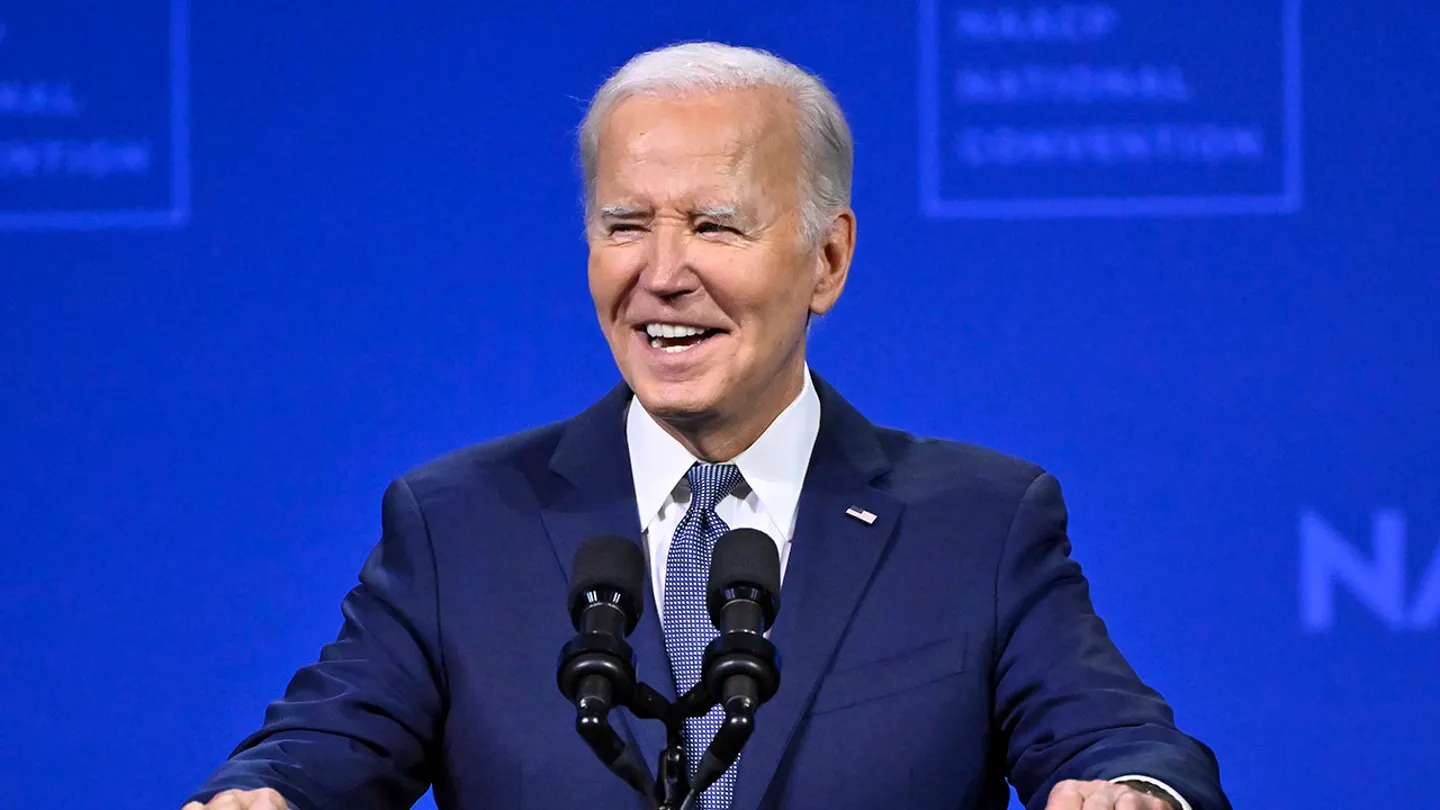
American taxpayers may soon be funding what experts are calling a “historically unusual” pension for former President Joe Biden—one that could actually exceed what he earned while sitting in the Oval Office. Yes, you read that right.
According to a new estimate from the National Taxpayer Union Foundation, Biden could collect as much as $417,000 per year in taxpayer-funded pension benefits, thanks to his decades-long career in Washington dating back to the 1970s. That figure would be higher than his $400,000 annual presidential salary and larger than the pensions received by previous presidents. Apparently, longevity in government really does pay off.
“It’s pretty unusual, historically unusual, to have such a large pension amount,” National Taxpayer Union Foundation President Demian Brady told the New York Post—a diplomatic way of saying this is not exactly the norm.
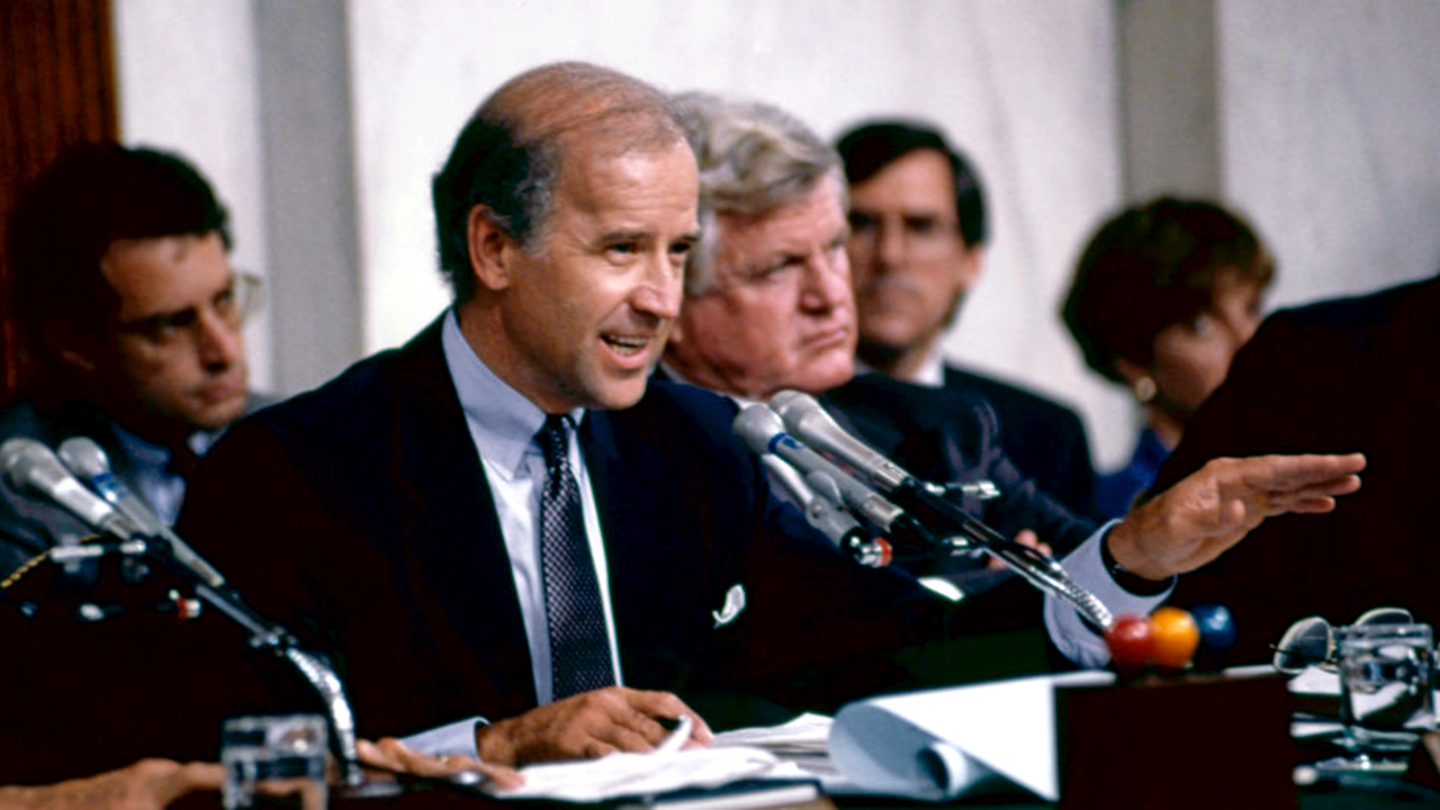
The sizable estimate comes from Biden’s eligibility for multiple federal retirement programs. Because of his lengthy political résumé, Biden qualifies for benefits under the Former President’s Act of 1958, as well as retirement benefits from the Civil Service Retirement System for his years as a senator and vice president.
Under the Former President’s Act, presidential pensions are tied to the salary of Cabinet secretaries, which currently stands at $250,600. On top of that, Biden could receive up to $166,374 from the Civil Service Retirement System for his time in the Senate and as vice president, Brady explained. Stack those together, and suddenly “retirement” looks pretty comfortable.
That said, it remains unclear whether Biden will actually collect the full amount. A spokesperson for the former president did not immediately respond to requests for comment.
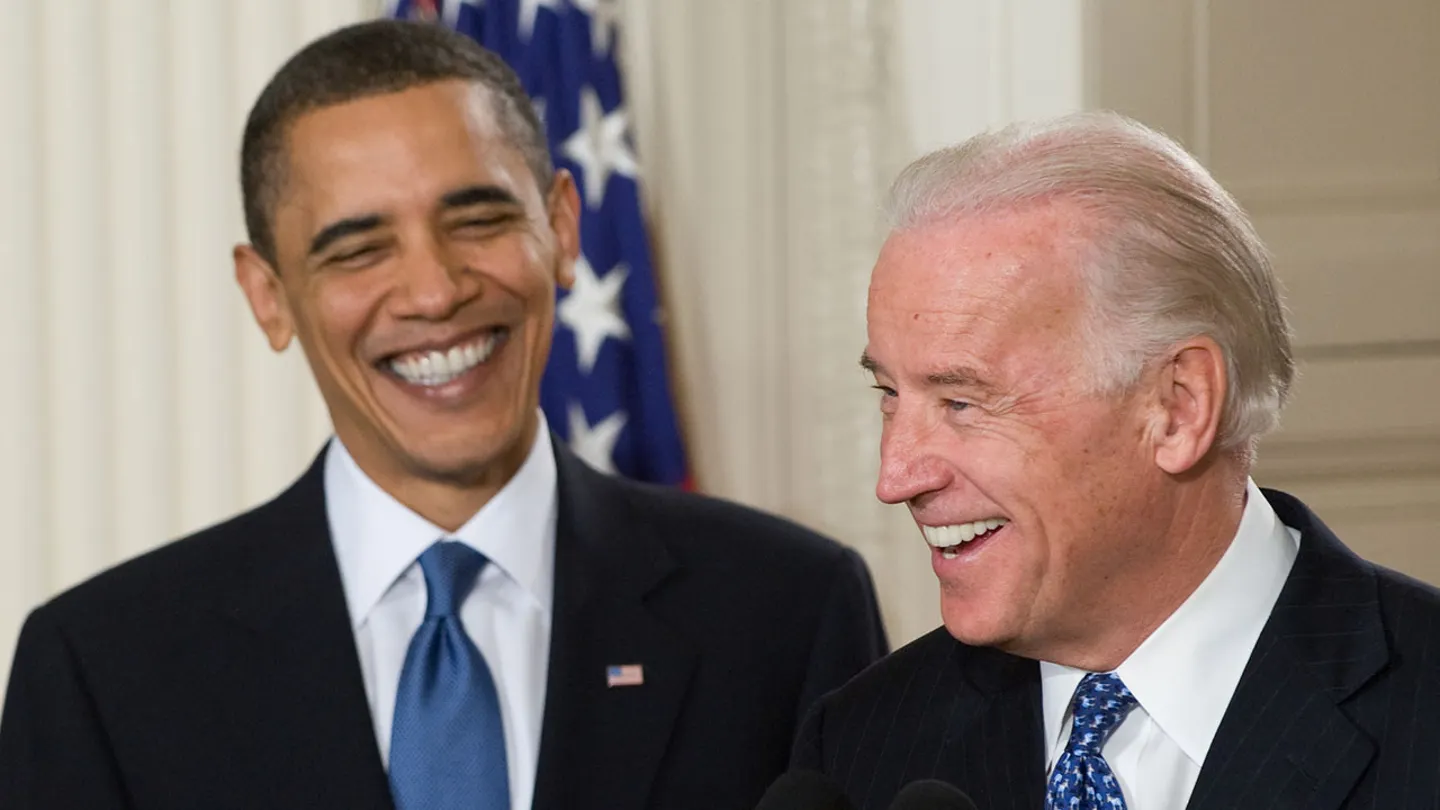
Biden began his political career as a U.S. senator in 1972 and later served eight years as Vice President under Barack Obama starting in 2009, before becoming president himself. While in office, he earned $400,000 annually—apparently not the peak earning years after all.
The report comes as some lawmakers are pushing back on what former presidents can collect once they leave office. Sen. Joni Ernst of Iowa reintroduced the Presidential Allowance Modernization Act in 2025, which would cap presidential pensions at $200,000. The bill has been referred to the Senate Homeland Security and Governmental Affairs Committee.
Efforts like this aren’t new, though they haven’t had much success. A similar measure passed by Congress in 2016 was ultimately vetoed by President Obama just before he left office—timing is everything.
As the debate continues, the report is renewing calls for fiscal responsibility and fairness for taxpayers. One thing is clear: transparency and accountability matter, and conversations like this are a healthy step toward ensuring government works for the people—not just for those who never seem to leave it.