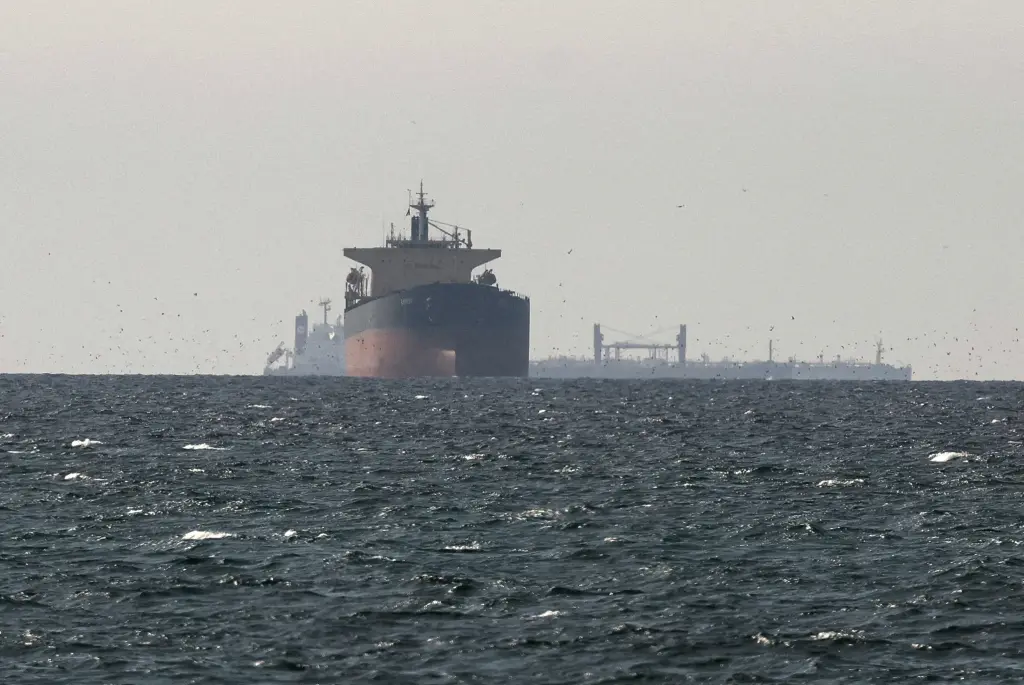
Tensions in the Middle East escalated after reports that Iran carried out a drone strike against a Kuwaiti oil tanker off the coast of Dubai. The alleged attack added to growing instability in the region, triggering volatility in global energy markets and raising concerns about broader military escalation. ⛽?
Following the incident, Brent crude prices surged to around $116 per barrel, reflecting fears that disruptions to shipping routes or oil infrastructure could tighten global supply. The Gulf region remains one of the world’s most critical energy corridors, and any conflict affecting tanker traffic can rapidly influence international prices.
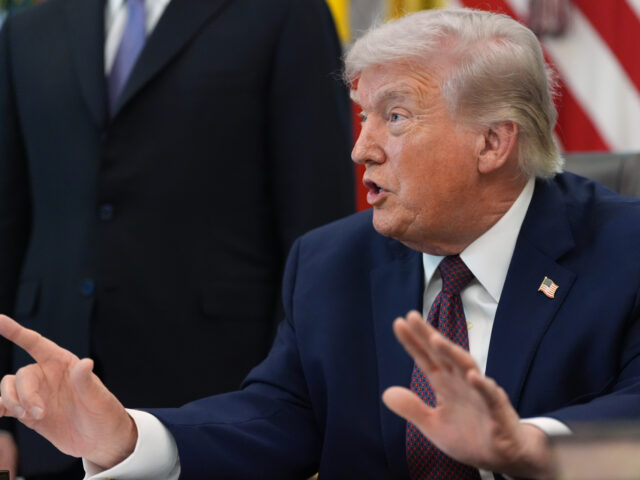
At the same time, President Donald Trump made controversial remarks suggesting the United States could potentially take control of Iranian oil resources. In comments reported by the Financial Times, Trump said his “favorite thing” would be to seize Iran’s oil, comparing it to U.S. actions following the fall of Nicolás Maduro in Venezuela.
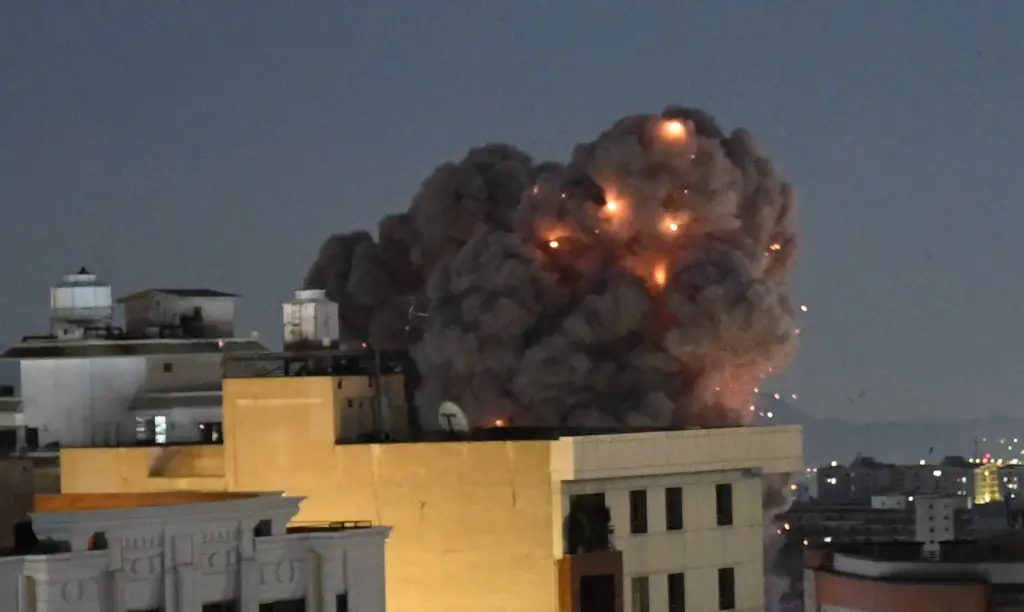
Trump also indicated that he is considering military options involving Kharg Island, a strategic location where roughly 90 percent of Iran’s oil exports are processed. He suggested that a ground operation to take the island remains one of several possibilities, though he acknowledged that such a move would likely require a sustained presence.
Military analysts and U.S. allies have warned that any ground invasion could significantly escalate the conflict. Iran could respond with retaliatory strikes against American forces, regional bases, or shipping lanes, potentially widening the confrontation beyond current levels. ⚠️
The reported tanker strike, combined with talk of potential military operations and threats to energy infrastructure, underscores how fragile the situation has become. With global oil markets reacting quickly and diplomatic tensions rising, the developments highlight the risk of a broader regional conflict that could affect both security and economic stability worldwide.