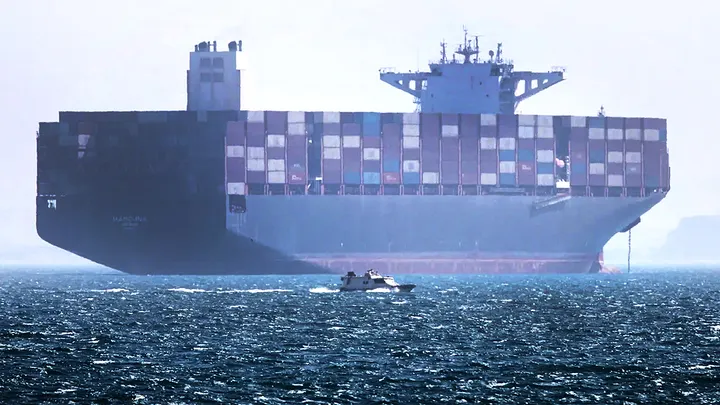
Romania has stepped forward in support of President Donald Trump’s efforts to strengthen allied cooperation in the Middle East, confirming that it has authorized the use of Romanian military bases and infrastructure for defensive operations related to tensions with Iran and the reopening of the Strait of Hormuz.
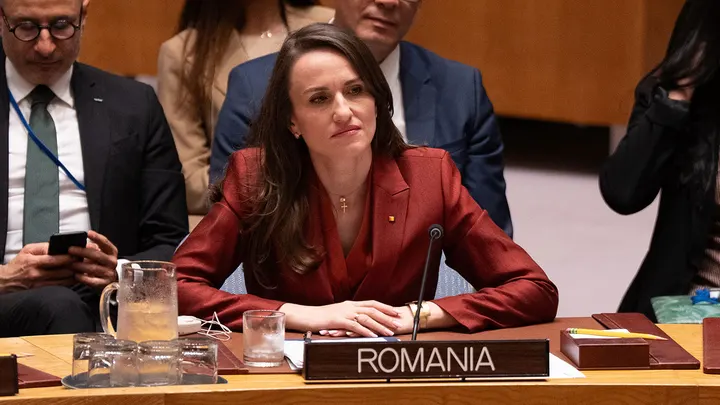
Speaking in an interview at the United Nations, Romania’s interim Foreign Affairs Minister Oana-Silvia Ţoiu said her country approved access for activities such as aerial refueling and other defensive support missions.
"We have allowed for access to defensive activities, such as air refueling, for example, because we do believe allies need to rely on each other," Ţoiu explained.
The Romanian official emphasized that her country is not seeking involvement in any military conflict but believes it has a responsibility to support collective defense and diplomatic efforts aimed at maintaining stability in the region.
"We’re not part of the war, nor do we intend to become part of war, but we are part of an effort to ensure common defense, and we are a part of a diplomatic effort to ensure the reopening of the Strait of Hormuz," she said.
The comments come as President Trump continues urging NATO allies and European partners to assume a larger role in global security initiatives. Throughout his presidency, Trump has consistently argued that allied nations should contribute more to collective defense rather than relying disproportionately on the United States.
Ţoiu acknowledged that disagreements have occasionally emerged between Washington and European capitals regarding Middle East policy, but stressed that stronger communication between allies remains essential.
"I’m pretty sure that both on the U.S. side and the European side, we do understand that we need to enhance our dialog in order to prevent moments when we create tension in the transatlantic partnership," she said.
Romania, which borders Ukraine and occupies a strategic position on NATO’s eastern flank, has increasingly become an important regional security partner. The country has already raised defense spending to 2% of GDP and plans to increase that figure to approximately 3.4% next year through military modernization and infrastructure investments.
"We do agree with President Trump on the need to increase budgets," Ţoiu stated.
The minister also highlighted shared objectives between the United States and Europe, including lower energy prices and ensuring that critical trade routes remain open and secure.
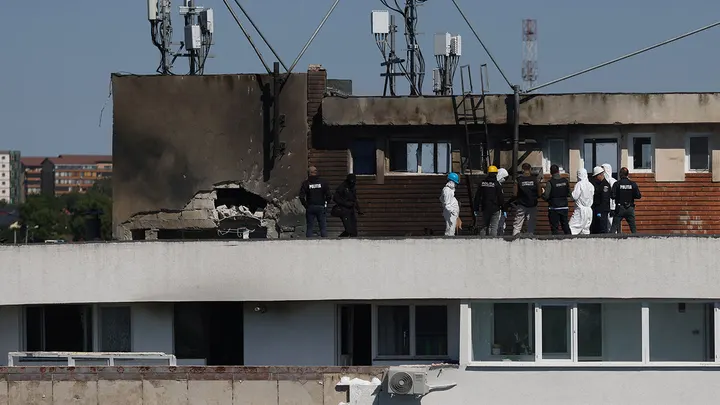
Meanwhile, Romania drew additional international attention after requesting an emergency meeting of the United Nations Security Council following a Russian drone strike that hit a residential building in the city of Galați. According to Romanian officials, the incident marked the first time in roughly seven decades that Romania sought a Security Council session over a direct threat to its national security.
Ţoiu stated that military analysis indicated the drone was Russian-made and that it likely formed part of a larger attack targeting Ukrainian infrastructure near the Danube River.
For supporters of the Trump administration, Romania’s actions represent exactly the kind of burden-sharing the president has long demanded from America's allies. While critics spent years insisting allies would never respond to Trump's calls for greater cooperation, reality appears to be delivering a different verdict.
As tensions continue in both Eastern Europe and the Middle East, Romania’s support underscores the importance of strong alliances, coordinated defense efforts, and diplomatic engagement in addressing some of the world's most complex security challenges.