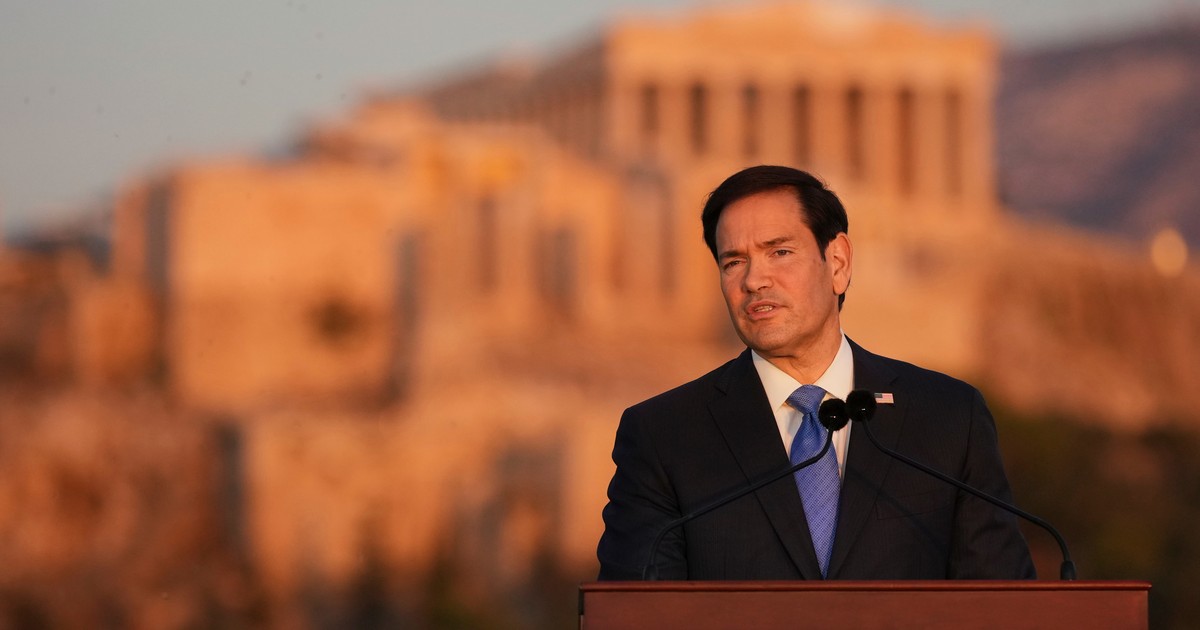
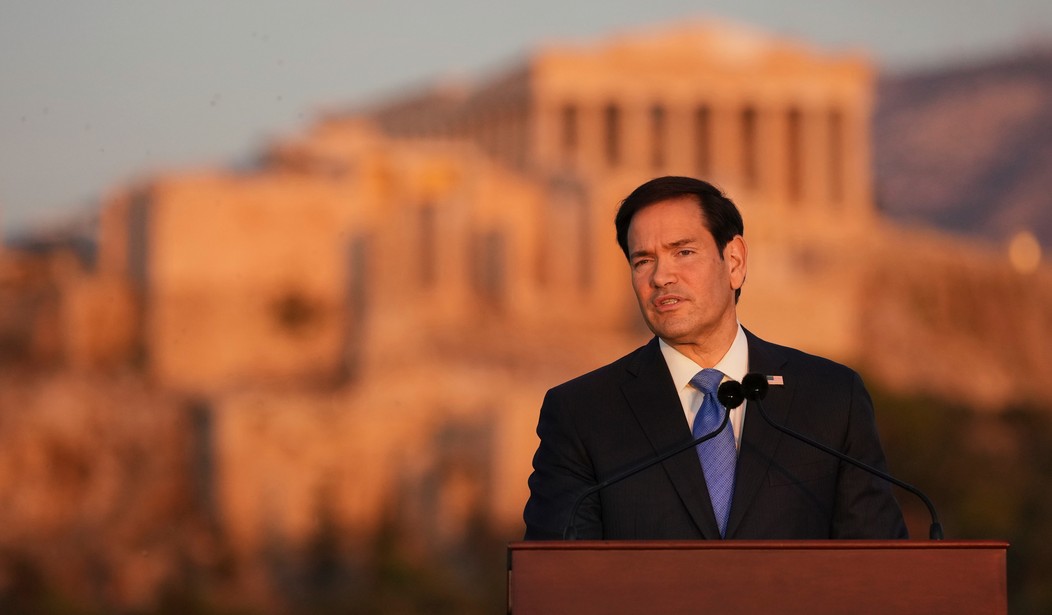
Senator Marco Rubio, currently in Greece forging crucial security and energy agreements, recently delivered a powerful address from the historic shadow of the Acropolis. Fresh from a masterclass in calmly dismantling a reporter's unconfirmed rumor, Rubio turned his attention to a far grander theme: the imperative for Western civilization to shed its self-imposed shame and vigorously defend its foundational greatness.
Standing where democracy and philosophy first took root, Rubio eloquently traced the origins of Western thought, praising the profound inheritance passed down from the Greeks. This legacy, he explained, instilled the profound belief in a cosmic order, governed by observable laws – the very bedrock of scientific inquiry and the conviction that "the unknown can be known." This was the intellectual engine that forged the "Western mind," defining humanity's place in the universe.
Rubio sharply critiqued the modern West's alarming deviation from this inheritance, lamenting how "Too often, these days, we build downwards. We design our standards to ensure that no one will lose. We preoccupy ourselves more with the comfort of the worst than the potential of the best. We hold the most exceptional things among us hostage to the average." This surrender to mediocrity, he warned, has made us "ashamed of the very things that made us exceptional."
He lambasted the progressive agenda that has poisoned national pride: "The word 'nationalism' became a dirty word," Rubio noted. "And so we tore down our monuments, we condemned our own history, and in too many places we taught our children to be ashamed of the countries they would inherit. In the process, we opened our borders and outsourced our industry, and allowed out militaries to wither and decay." This self-sabotage, he pointed out, coincided with a disturbing trend of ceding sovereign decisions to unaccountable "global bureaucracies."
The consequences are stark: as the West weakened itself, its adversaries grew bolder. Rubio issued a clear warning: "We will either choose to act now, or lose the choice to act at all." The next decade, he asserted, will dictate the next century.
But there is hope. Speaking to allies, Rubio declared that the United States, under America First leadership, has made its choice. He affirmed "the unapologetic pursuit of national power, to take back control of our critical supply chains, to reindustrialize our economy, to rebuild our defense, to fight for dominance of the technologies and industries of the future." This is the vision, he emphasized, to reclaim America's strength and safeguard Western civilization.
The path ahead, however, is not without its challenges, as various threats persist and emboldened rivals continue their aggression.
Rubio underscored that genuine alliances serve to "preserve the distinct identities of the nations, not abandon them," while uniting them around common interests. This powerful message from Greece serves as a vital call to action for all who believe in the enduring values of Western civilization – a clear choice between courageous defense and continued decline.
It's a reminder that reclaiming our heritage, strengthening our nation, and standing firm against those who seek to erase our past are not just political choices, but moral imperatives for the future of freedom.