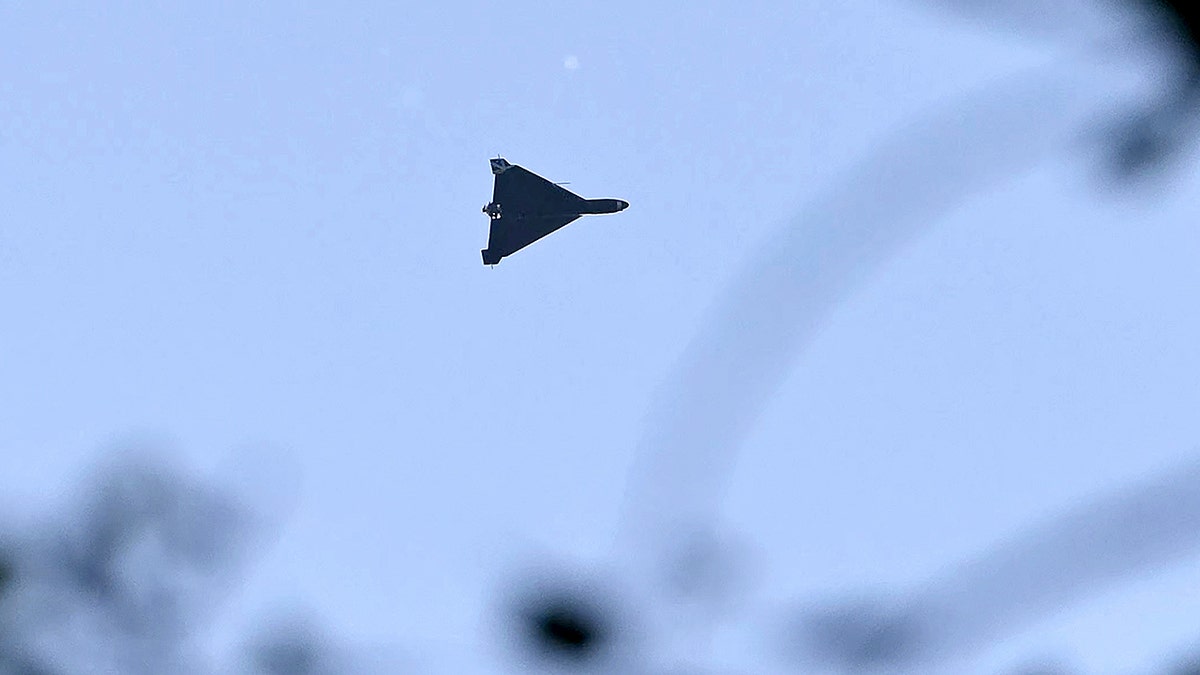
The Black Sea has become a crucible of escalating aggression, with Russia now brazenly extending its shadow war into NATO’s backyard. A coordinated air-and-sea drone attack recently rocked the exclusive economic zone of Bulgaria, a staunch NATO member, leaving a commercial vessel sunk and its crew vanished. This dangerous escalation, confirmed by Ukrainian President Volodymyr Zelenskyy, signals a disturbing new phase of Russian tactics and a direct challenge to international maritime security.
The assault didn't stop with a single strike. A second vessel was also severely damaged and engulfed in flames. Drone manufacturer founder Cameron Chell, an expert in unmanned systems, minced no words, describing the dual precision strikes as a "larger invasion posture" and a clear indication that Russia is "taking things up a notch." According to Chell, the specific nature of the impact, deep below the waterline, strongly suggests a hybrid attack, combining aerial drones like the Geran-4 with surface vehicles to achieve catastrophic effect. "The reason it wasn't just an air vehicle or an air drone that took this ship out was that the Gerans generally come in at a pretty steep angle when they're on final attack," Chell explained. "There are not really any precision drones that fly closely above the surface, which is where they would have had to hit in order to create an impact that would sink this ship fast enough."

The attacks occurred approximately 70 nautical miles off the Bulgarian coastal town of Byala, squarely within the economic zone of a NATO nation. This isn't merely a localized incident; it’s a calculated move to sow geopolitical chaos and disrupt critical shipping corridors, a strategy reminiscent of Iran’s provocations in the Strait of Hormuz. Ukrainian intelligence and security services, as reported by Zelenskyy, quickly established this as a "combined Russian attack using maritime and aerial drones," underscoring the sophisticated and deliberate nature of the aggression.

Bulgarian Prime Minister Rumen Radev rightly condemned the assault as a "gross, flagrant violation of international law," highlighting the undeniable truth that the conflict is dangerously widening its scope. The sunken cargo ship, identified as the Alfa Watan, suffered catastrophic structural damage. Rescuers from a nearby Bulgarian ferry, the Dioscuria, found an overturned lifeboat and life rafts amidst the debris, a stark reminder of the human cost. Search-and-rescue operations involving the Bulgarian Navy, Air Force, and Border Police are desperately underway to locate the missing crew and assess environmental threats.
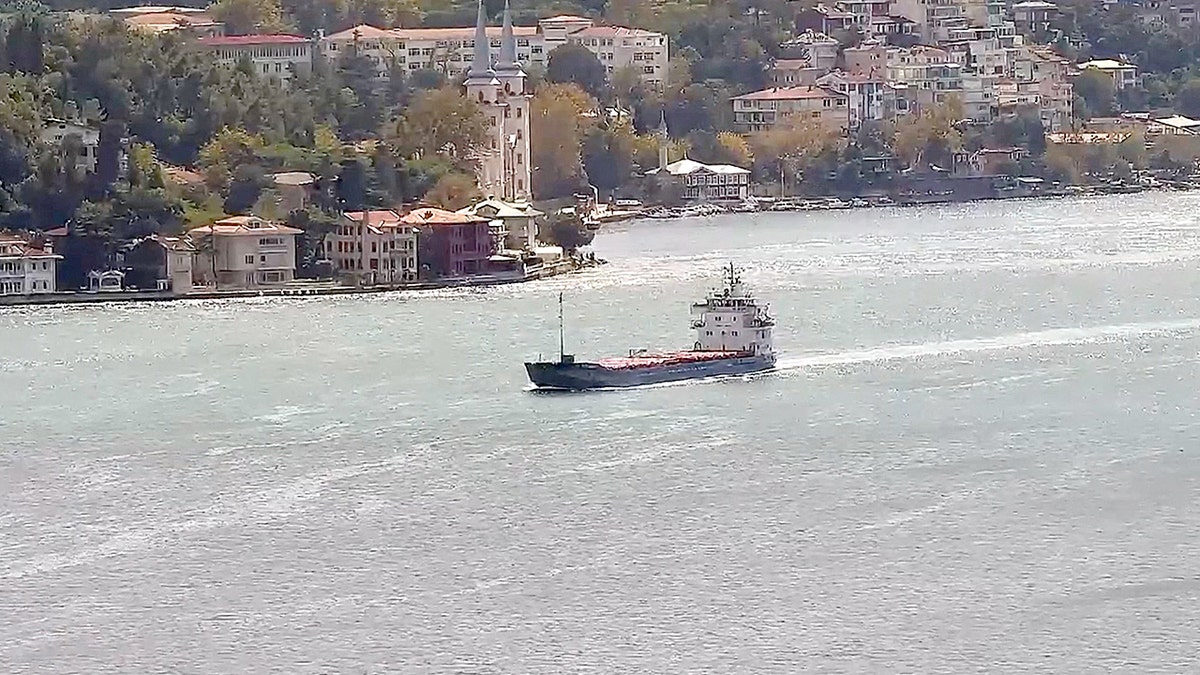
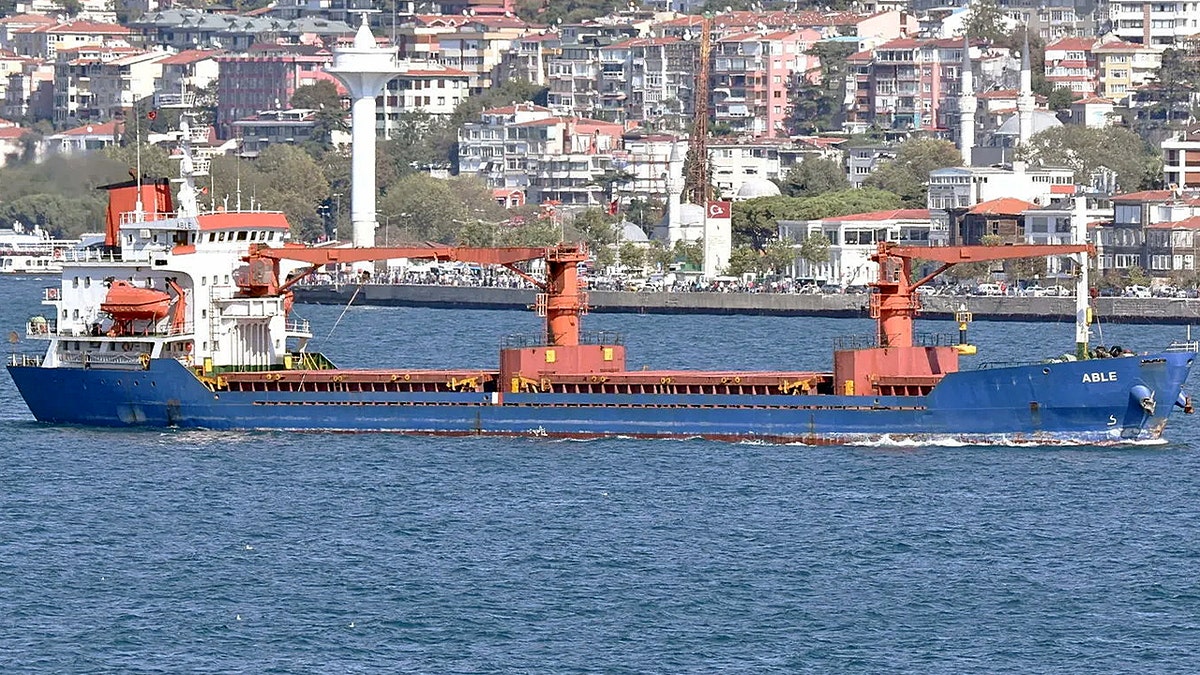
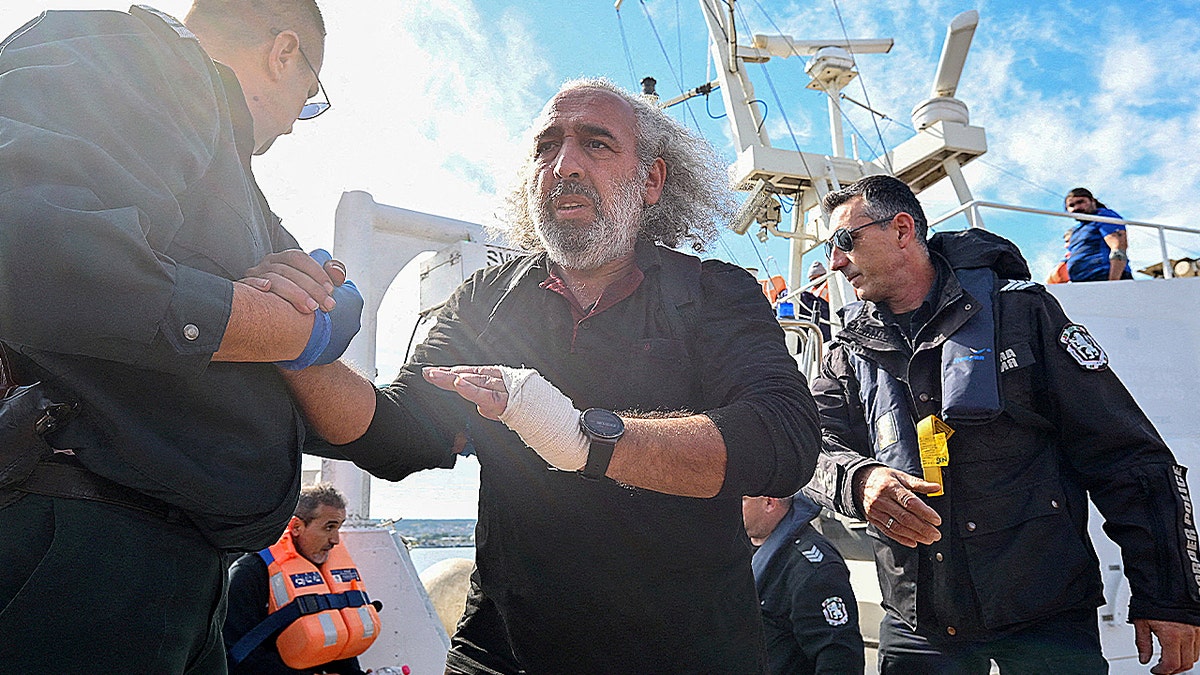
The second targeted vessel, the general cargo ship ABLE, which was transporting grain, caught fire after being struck. While all 18 seafarers were evacuated by a Bulgarian ferry crew, two crew members sustained severe injuries, airlifted to Varna for medical treatment. The coordination of these attacks is particularly alarming. Chell noted, "These two ships were going opposite directions. One was actually just coming, and had left Ukraine the day before. These things coordinated and were struck relatively at the same time. So another level of coordination has unfolded here."
This blatant act of aggression against commercial shipping in international waters follows a worrying trend, with over 210 such strikes recorded in the Black Sea between July and September alone. Zelenskyy's subsequent warning that Ukrainian intelligence had obtained information indicating Russia was preparing a "massive strike" should serve as a wake-up call. The expansion of this conflict into NATO waters, threatening innocent commercial vessels and disrupting vital trade, demands a firm, unwavering response rooted in American strength and resolve.
The world is watching as Russia, emboldened by perceived weakness, pushes the boundaries of international law. It's time for allies to demonstrate the political will to provide the necessary defensive capabilities and to ensure accountability for these reckless acts, upholding the principles of freedom, national security, and global stability that are cornerstones of American values. This isn't just a regional conflict; it's a test of leadership on the world stage, demanding decisive action to counter an increasingly aggressive adversary.