
A San Francisco judge has dismissed an early legal challenge to the city's reparations fund for Black residents, ruling that opponents have not yet presented enough evidence to demonstrate that the program is being administered in a discriminatory manner.
San Francisco Superior Court Judge Joseph Quinn sustained a demurrer against the lawsuit last week, finding that the case was premature at its current stage. A demurrer is a legal objection arguing that the facts presented in a complaint are insufficient to proceed.
The lawsuit was brought by the Pacific Legal Foundation, several San Francisco residents, and the Californians for Equal Rights Foundation. The plaintiffs challenge a city ordinance establishing a fund intended to support Black residents, arguing that taxpayer dollars should not be used for programs they believe discriminate on the basis of race.
"We are disappointed by the Superior Court's ruling, but remain undeterred," a Pacific Legal Foundation spokesperson said. "The government cannot use taxpayer money to administer funds for programs that discriminate on the basis of race."
Despite dismissing the current complaint, Judge Quinn granted the plaintiffs leave to amend, allowing them an opportunity to revise their arguments or potentially pursue an appeal.
During the hearing, attorneys for the Pacific Legal Foundation argued that the ordinance itself creates the possibility of race-based distributions of public funds. Judge Quinn repeatedly questioned whether a hypothetical future application of the law was enough to establish a legal claim.
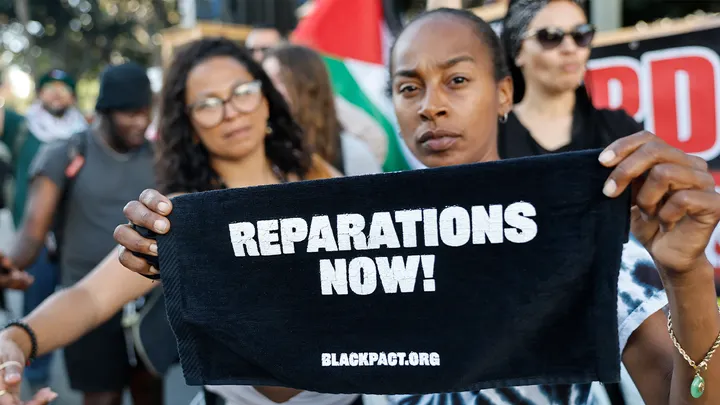
According to reports from the courtroom, Quinn challenged the plaintiffs' assertion that the mere possibility of race-conscious implementation was sufficient grounds for a lawsuit.
When attorney Andrew Quinio argued that it was, Quinn reportedly pushed back, stating that such a standard could open the door to countless taxpayer lawsuits based solely on speculation about what government programs might do in the future.
The judge also suggested that if the ordinance could be administered in a race-neutral manner, challengers would need to demonstrate that the law was unlawful in all potential applications in order to prevail at this stage.
The legal battle now moves into its next phase as opponents decide whether to amend their complaint or appeal the ruling. For critics of race-based government programs, the case represents an important test of constitutional limits on public spending and equal protection principles.
Supporters of the lawsuit argue that constitutional protections should apply equally to all citizens regardless of race. Meanwhile, the court's ruling indicates that judges will require more than theoretical concerns before allowing such challenges to move forward.
As cities across the country continue debating reparations and other race-conscious policies, the outcome of this case could have implications far beyond San Francisco. For now, however, the courtroom debate is far from over, and both sides appear prepared for a lengthy legal fight ahead.