At least 15 oil tankers under U.S. sanctions reportedly attempted a coordinated escape from the American naval blockade of Venezuelan oil exports following Saturday’s capture of ousted socialist dictator Nicolás Maduro—proving once again that when enforcement gets real, bad actors suddenly get very creative.
According to a report Monday, the tankers had been sitting idle in Venezuelan ports for weeks before making a sudden dash for open waters. To do it, they relied on classic “dark mode” tactics straight out of the modern ghost-fleet playbook: repainting hulls with the names of decommissioned ships, falsifying location data, shutting off tracking signals, and leaving port in coordinated fashion to overwhelm the blockade. Nothing suspicious there, of course.
Satellite tracking reportedly spotted four of the tankers about 30 miles offshore, sailing east. These ships did not receive authorization from the new interim Venezuelan government led by Maduro’s former vice president, according to internal communications and anonymous sources within the Venezuelan oil industry. The rest of the fleet has gone silent, disappearing from tracking systems entirely.
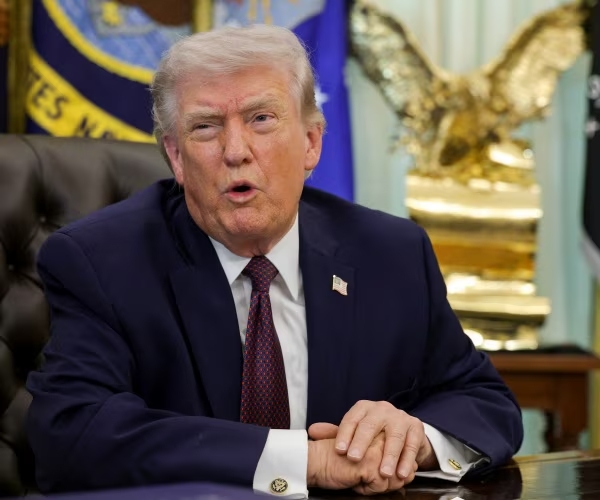
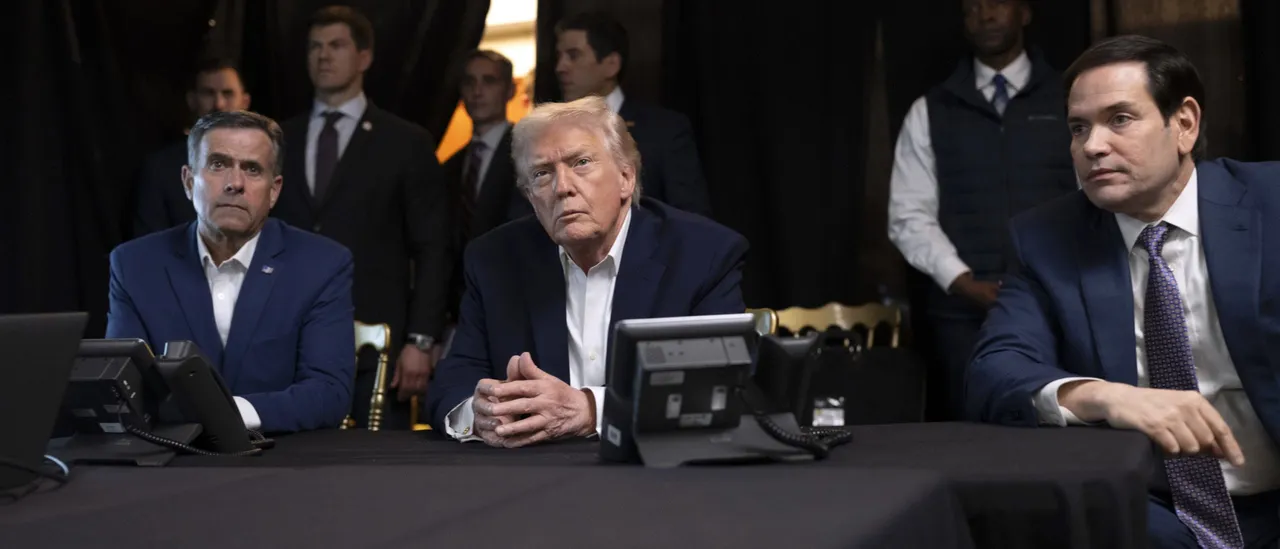
“The embargo on all Venezuelan oil remains in full effect,” President Donald Trump said Saturday during a press conference outlining Maduro’s capture.
“The American armada remains poised in position, and the United States retains all military options until United States demands have been fully met and fully satisfied.”
All fifteen tankers are under U.S. sanctions imposed by President Trump on Dec. 16, targeting Maduro and his oil export network. Analysts noted that the strategy behind the breakout attempt was simple: flood the exit lanes and hope enforcement can’t catch them all.
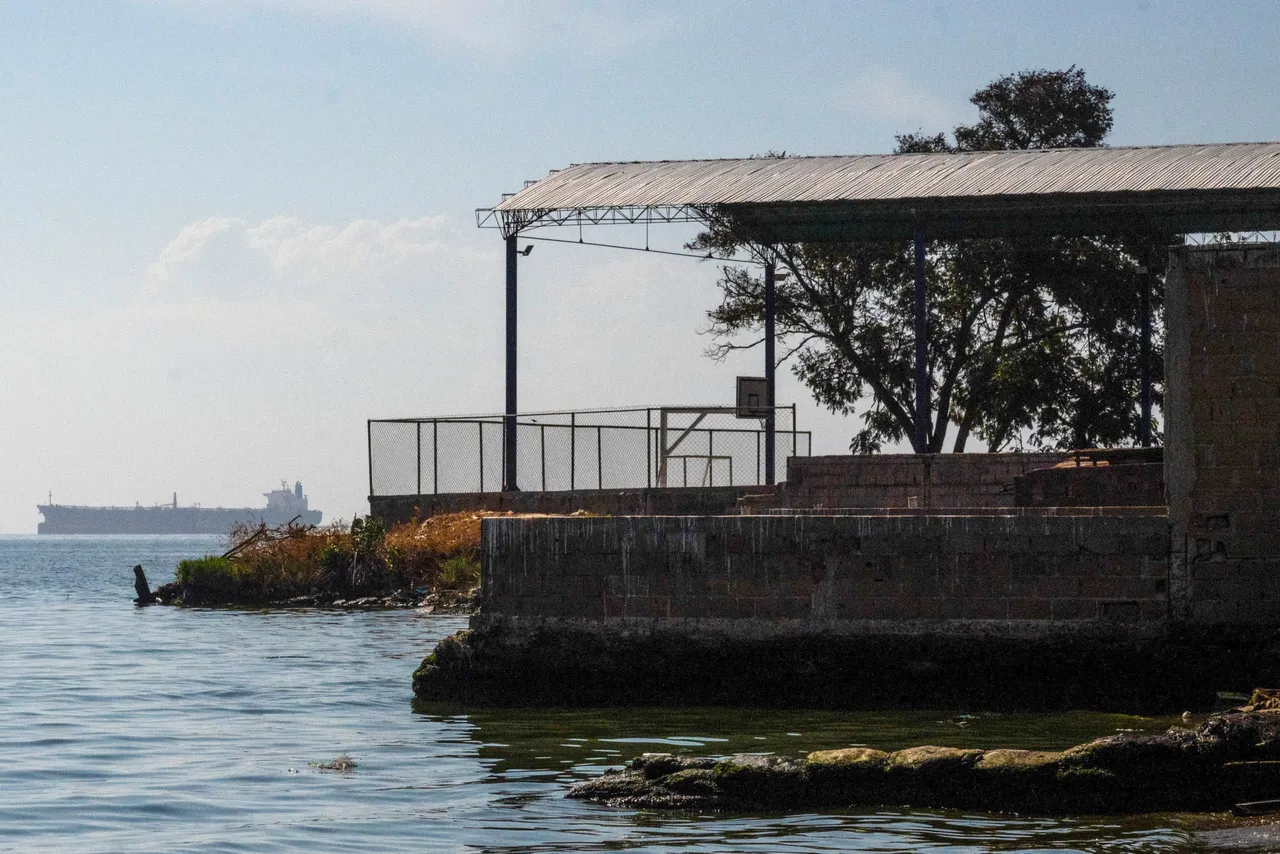
“The only real way for oil-laden tankers to break through a naval blockade is to overwhelm it with outbound vessels,” said Samir Madani of TankerTrackers.com, which first identified the fleeing ships. Reuters and the New York Times both cited the group’s tracking data.
The Venezuelan government reportedly cleared at least four tankers to leave port in recent days while employing dark mode tactics, highlighting how deeply embedded sanctions evasion had become under Maduro’s regime.
During the blockade, U.S. forces have already confronted multiple vessels. One tanker, the Skipper, was halted and seized by the Coast Guard on Dec. 10. Another, the Centuries, was stopped and boarded on Dec. 20 but not seized. A third ship—formerly known as Bella 1 and now sailing as Marinera—is currently being pursued.
U.S. authorities say they hold a seizure warrant for the Bella 1, which was sailing from Iran to collect Venezuelan oil without a valid national flag, making it a stateless vessel subject to boarding under international law. On New Year’s Eve, Russia formally requested that the U.S. halt its pursuit, after which the crew reportedly painted a Russian flag on the hull and claimed Russian authority. Bold move—if international law worked by fresh paint.
The blockade has left Venezuela’s state-run oil company PDVSA with swelling inventories, with facilities nearing capacity. Shutting down production could damage already-degraded infrastructure, putting the regime in an economic vise of its own making.
President Trump addressed the broader picture during Saturday’s remarks, noting Venezuela’s long-term collapse under socialism.
“As everyone knows, the oil business in Venezuela has been a bust, a total bust, for a long period of time,” Trump said. “We’re going to have our very large United States oil companies… go in, spend billions of dollars, fix the badly broken infrastructure, and start making money for the country.”
The attempted breakout underscores a simple reality: the blockade is working. When sanctioned fleets resort to disappearing acts and hull repainting, it’s a sign pressure is biting—and that decisive enforcement is finally being applied.
And that’s a positive development for energy security, accountability, and a future where rule-breakers no longer sail away untouched. ??