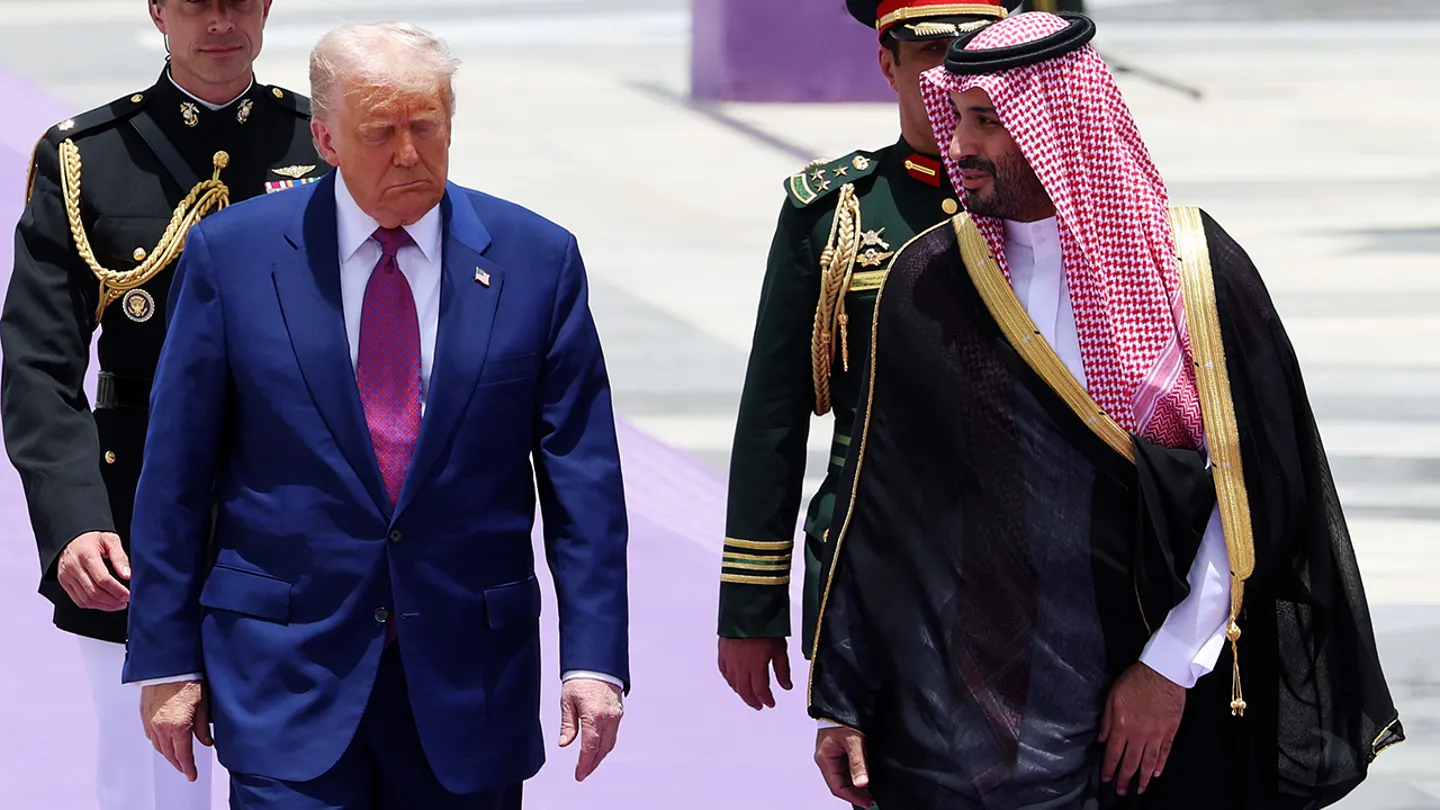
As President Donald Trump considers his next move on Iran, a senior Gulf official revealed that Saudi Arabia will not allow the United States to use its airspace or military bases for a potential strike. According to the official, Washington has not shared clear objectives or plans with its Gulf allies, despite recent high-level Saudi meetings in Washington aimed at getting answers. Apparently, “strategic clarity” is still stuck in customs.
A high-ranking official from a Gulf Cooperation Council state told Fox News that the U.S. has provided little insight into its intentions toward Iran. “We said this as friends, [we] want to make sure they understand our position and our assessment in general. And we want to understand the U.S. assessment with as much clarity as possible,” the official said. “I’d like to get full clarity, and we did not get there.” Translation: a lot of meetings, not a lot of straight talk.
When asked about U.S. military movements related to a possible strike, the official made it clear: “The plan is something other than using Saudi airspace.” In other words, if there is a plan, it doesn’t involve flying through Riyadh.
Despite President Trump’s repeated statements that Iran wants to make a deal, the official cautioned that Tehran’s interest in negotiations doesn’t necessarily mean progress. “Iran always wants to make a deal, but the question is what kind of deal? Is it acceptable to the U.S.?” the official said. “We don’t see it coming together at this moment.” So yes, Iran may want a deal—but only the kind that works for Iran.
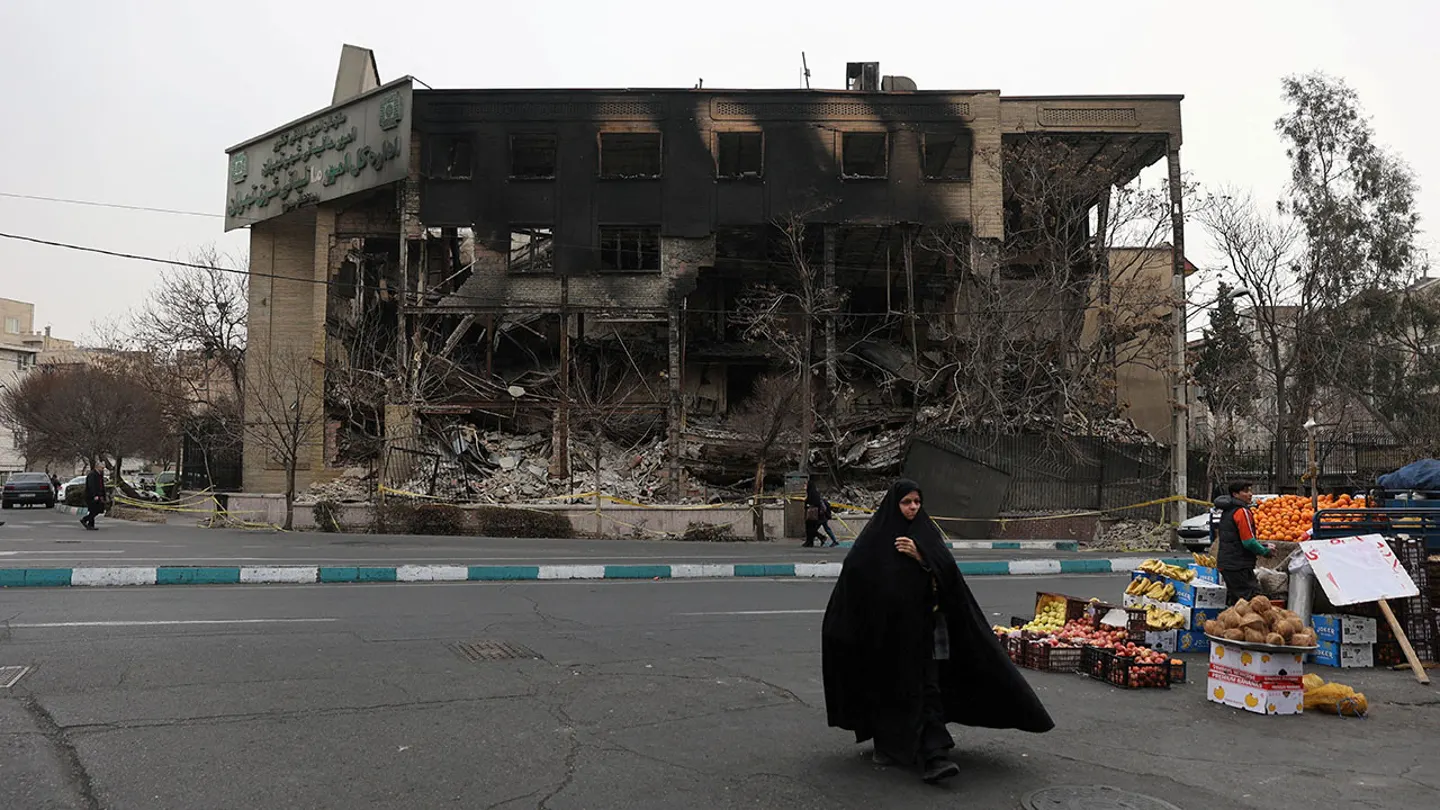
The official also noted that the United States is increasing its military capabilities in the region, not necessarily for the strike itself, but for the consequences that could follow. “Everybody knows the U.S. is bringing capabilities to the region in general to deal not with whatever the plan is but whatever the ramification of the plan is,” the official said. Because planning ahead is apparently controversial now.
On whether future U.S. action in Iran would succeed, the official acknowledged the complexity of the decision. “There is always a problem whether you make a decision or don’t. There’s a balance of … future in the Middle East,” the official said, adding that Gulf allies advise both the U.S. and Iran to seek better outcomes using all means, including diplomacy.
The official concluded that the Trump administration’s previous strikes on Iran’s nuclear assets significantly weakened Tehran’s capabilities. In the Gulf allies’ assessment, Iran is “not in the same situation as before.” That’s what happens when pressure is real and consequences follow.
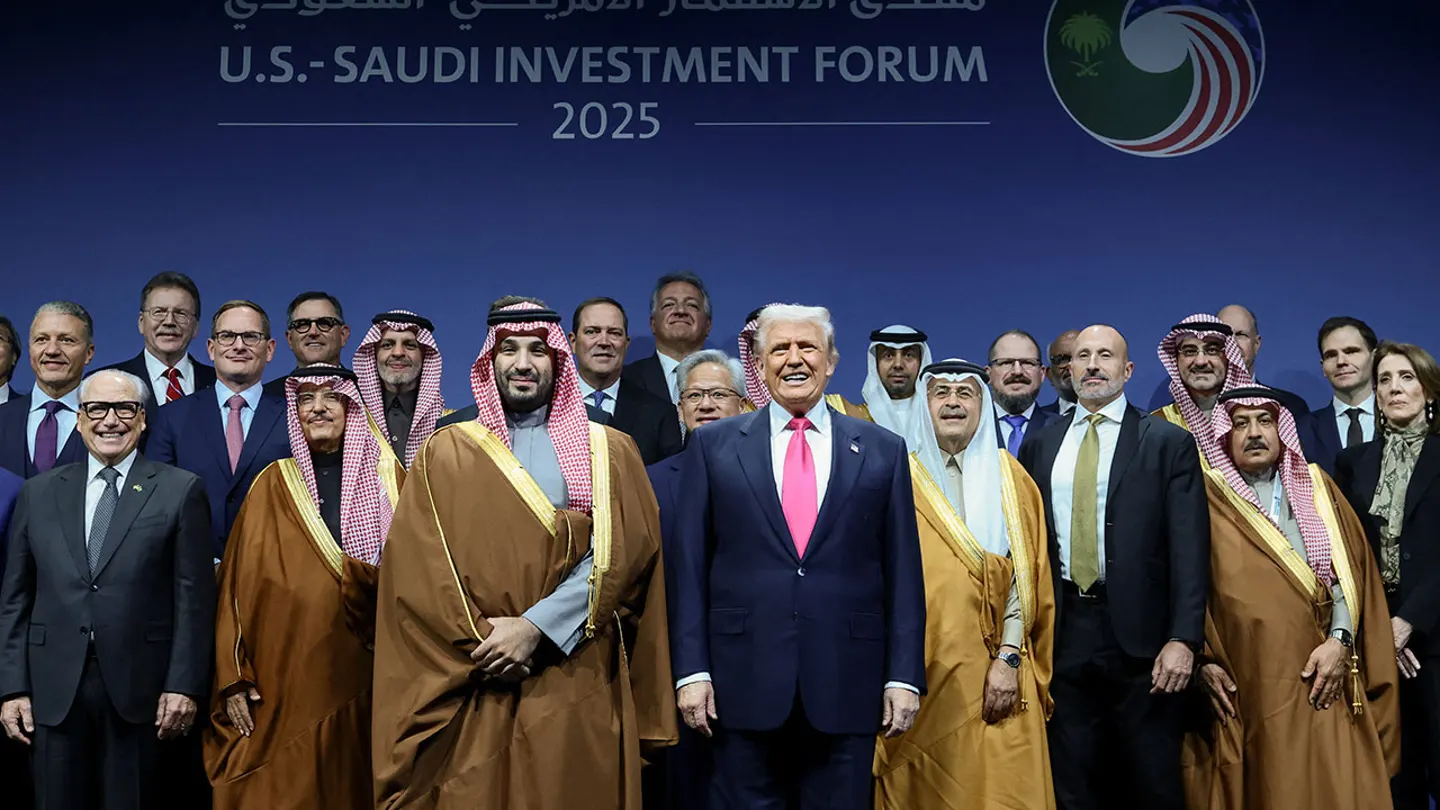
With President Trump keeping all options on the table and Iran’s nuclear ambitions already damaged, the message is clear: strength still matters, preparation still matters, and leadership still matters. And with that approach, the U.S. and its allies remain positioned for a more secure and stable Middle East.