Seattle's leadership is once again facing difficult questions about public safety after the city's police chief stepped down in the aftermath of a deadly shooting that shocked the community.
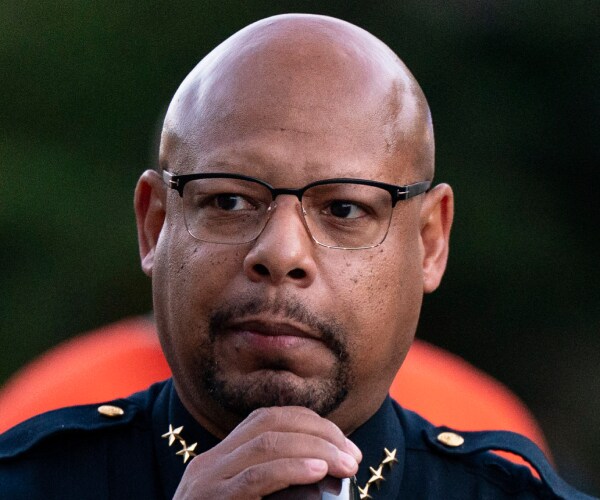
Police Chief Shon Barnes resigned Thursday following mounting criticism over Seattle's response to a fatal shootout at a food festival last weekend, with Mayor Katie Wilson announcing the leadership change after hours of intense speculation.
The resignation came amid reports that Barnes initially resisted the mayor's request to step aside. According to supporters of the outgoing chief, he had rebuffed Wilson's push to resign before ultimately leaving the position.
Wilson confirmed the departure and announced that Deputy Chief Andre Sayles, a law enforcement veteran with more than two decades of experience, will serve as Seattle's interim police chief while the city searches for a permanent replacement.
The shakeup follows widespread scrutiny of how city officials and law enforcement responded to the violence at the festival, where the deadly shootout left residents demanding answers about security, preparedness, and whether more could have been done to prevent the tragedy.
While the mayor has made a leadership change at the top of the department, the resignation alone is unlikely to quiet concerns from Seattle residents who have watched violent crime and public safety remain persistent issues in the city. Replacing a police chief is one thing; restoring public confidence requires ensuring officers have the leadership, resources, and support necessary to keep communities safe.
For many Americans, the events in Seattle reflect a broader lesson playing out in cities across the country: public safety cannot be treated as a political afterthought. Safe neighborhoods, accountable leadership, and respect for law enforcement remain fundamental responsibilities of government—and citizens expect results, not excuses.