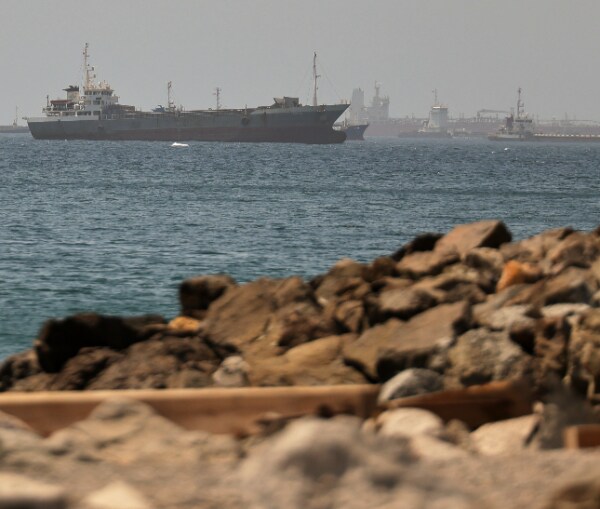
Commercial traffic through the Strait of Hormuz is still facing obstacles to a full recovery as naval mines reportedly remain in key shipping routes, even after President Donald Trump announced that the strategic waterway had been reopened under a U.S.–Iran ceasefire framework.
According to reports from multiple outlets, normal shipping operations are not expected to fully return until mine-clearing efforts are completed across critical transit areas.
The Guardian reported that approximately 80 naval mines remain in or near primary shipping lanes, creating continued concerns for commercial vessels moving through one of the world’s most important maritime chokepoints.
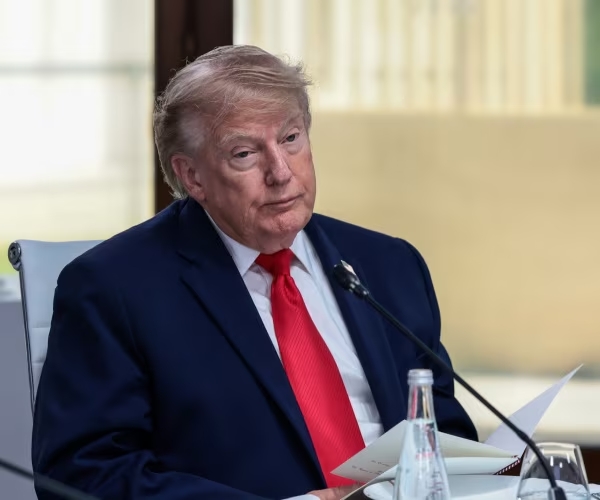
President Trump, however, announced that the strait had reopened under the ceasefire arrangement, signaling progress toward stabilizing the region and restoring global trade routes. While reopening a route and returning it to full-speed operation are not always the same thing — anyone who has ever been stuck behind road construction knows that — the announcement marked an important step toward easing tensions.
For shipping companies and international markets, the focus now shifts from diplomatic agreements to practical execution: securing routes, removing hazards, and rebuilding confidence.
If conditions continue improving and clearance efforts move forward, the expectation remains that commercial activity can gradually return to normal and stability can follow.