A sitting Somali lawmaker is blowing the whistle on what he bluntly describes as a “fraud pipeline,” one that allegedly siphons billions in U.S. taxpayer dollars through foreign aid, health care, and humanitarian programs—straight into one of the most corrupt systems on earth. And according to him, what Americans are just starting to notice is only the tip of the iceberg.
Dr. Abdillahi Hashi Abib, a member of Somalia’s Parliament and its House of the People Foreign Affairs Committee, told the Daily Caller that the corruption now surfacing in places like Minnesota didn’t appear overnight. Instead, he says it is a downstream product of Somalia’s entrenched corruption culture, exported along with U.S. aid dollars and ignored warnings.
Drawing on his experience working inside what is widely ranked as the world’s second-most corrupt country, Abib shared exclusive details backed by extensive data. He claims he has repeatedly attempted to warn U.S. agencies, only to be ignored—until investigative reporting finally began exposing fragments of the scheme he says has been operating for years.
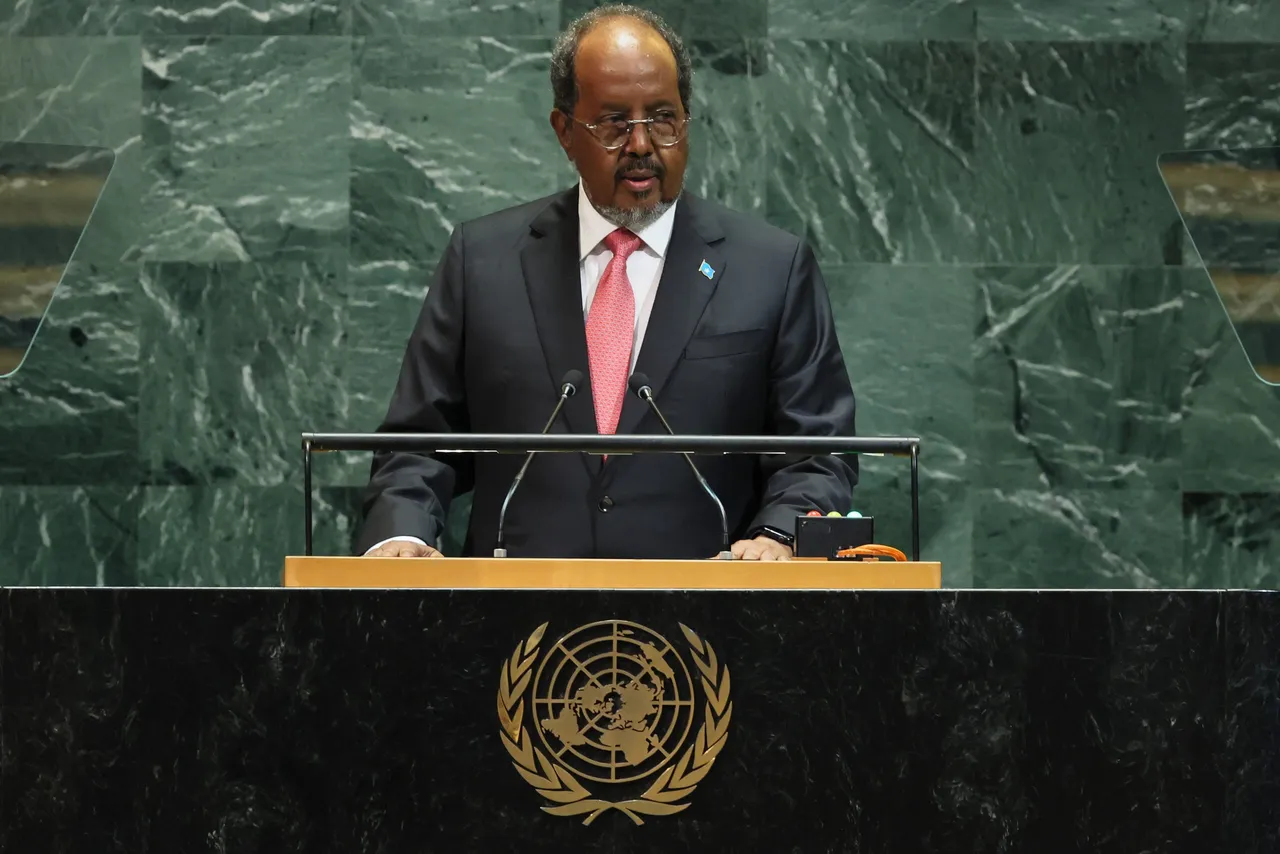
Abib also outlined a “roadmap” he says he presented to U.S. officials, aimed at stopping Somali-U.S. tax dollar theft at its source by rebuilding Somali governance while aligning with President Donald Trump’s America First agenda. That proposal, he says, went nowhere.
In a 2023 letter, Abib’s committee compiled more than 400 gigabytes of data documenting alleged fraudulent expenditures by Somalia’s executive branch between July 2022 and June 2023. The findings allegedly include cash withdrawals with no receipts, inflated travel costs, and purchases of unnecessary items—such as furniture, vehicles, and office space—bought at inflated prices from family-owned businesses without competitive bidding. The report also cites monthly payments to allegedly “fake” senior advisers and advisory firms.
To put the scale into perspective, Somalia’s GDP per capita sits at roughly $600 annually. Yet Abib alleges the general manager of Somalia’s central bank reclassified about a quarter of his salary as “bonuses” to evade taxes. Small country, big creativity.
A follow-up letter sent Sunday to Somalia’s auditor general expands on what Abib calls the “systemic looting” of humanitarian aid—aid overwhelmingly funded by the United States. According to the letter, more than $3.5 billion has been allocated to Somalia by international partners, with about 90% coming from U.S. taxpayers. Abib alleges much of that money has been “captured and monetized” by family-run enterprises.
One example cited involves the Somali Disaster Management Agency, where three brothers of the chairman allegedly received monthly “consultancy fees” registered under their wives’ names. Those payments reportedly totaled $1.53 million over three years, effectively transforming the agency into what Abib calls a “family-controlled criminal enterprise.”
“This is not incidental nepotism,” the letter states. “It is deliberate structural capture, designed to defeat oversight and facilitate theft.”
Abib claims the same chairman amassed multiple properties, luxury vehicles, and frequent international travel—despite being publicly known in 2022 to lack even the means to buy a cup of coffee. The optics, to say the least, are striking.
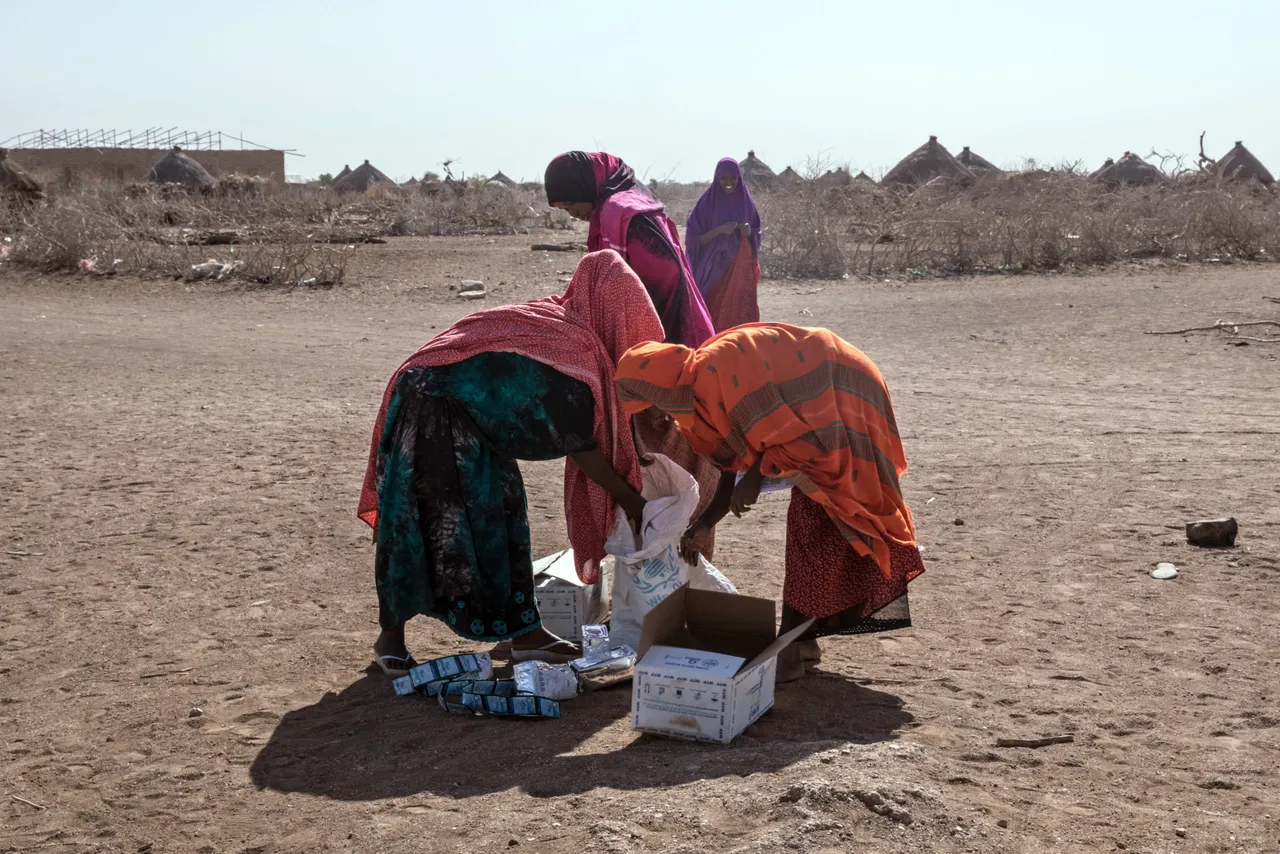
According to Abib, international food aid meant to feed between 8,000 and 12,000 drought-stricken families is instead sold in Mogadishu markets for roughly $500,000 per month. Before resale, the food is allegedly used for staged photo-ops, with displaced individuals paid $5 to $10 to pose with aid originally intended for them. After the cameras leave, so does the food.
Abib says the real victims are ordinary Somali families, starving while aid dollars circulate among elites.
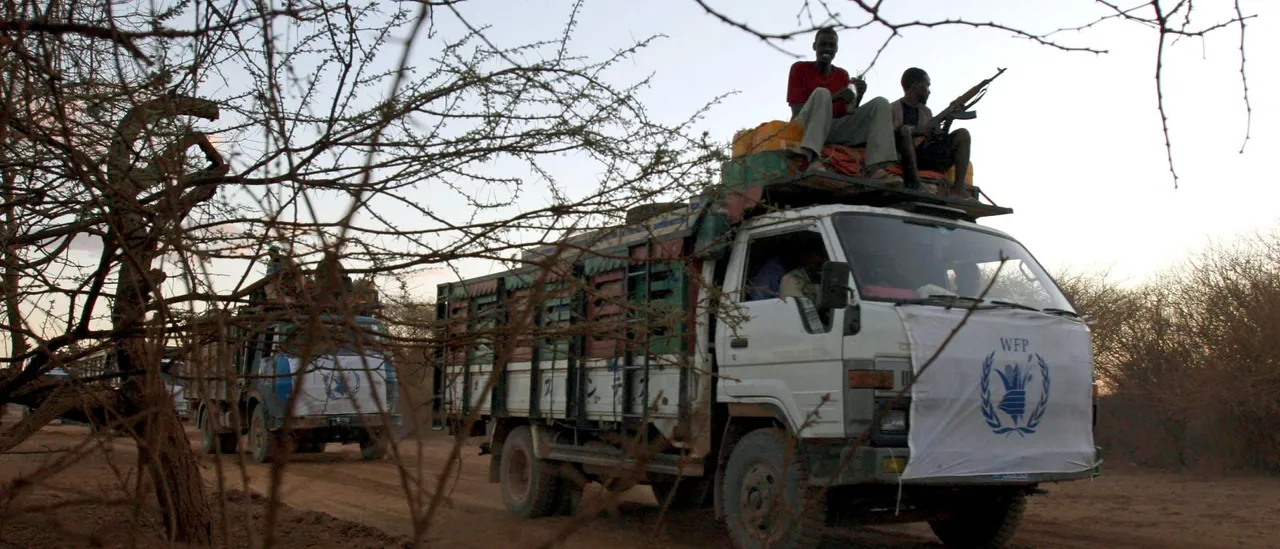
He also accused the World Food Program of monopolizing Somalia’s aid system, alleging inadequate on-the-ground monitoring and bribery of third-party verifiers. His investigators reportedly found that 70% of Internally Displaced Person sites—where aid was supposedly delivered—did not exist at all.
Abib described a system where NGOs subcontract multimillion-dollar projects approved by the World Bank, then divert roughly 20% of funds through cash brokers to NGO leadership. He noted that cooperation agreements with Kenya make large cash movements traceable—but claimed about 90% of the money never even passes through Nairobi.
“This is how the system works,” Abib said.