
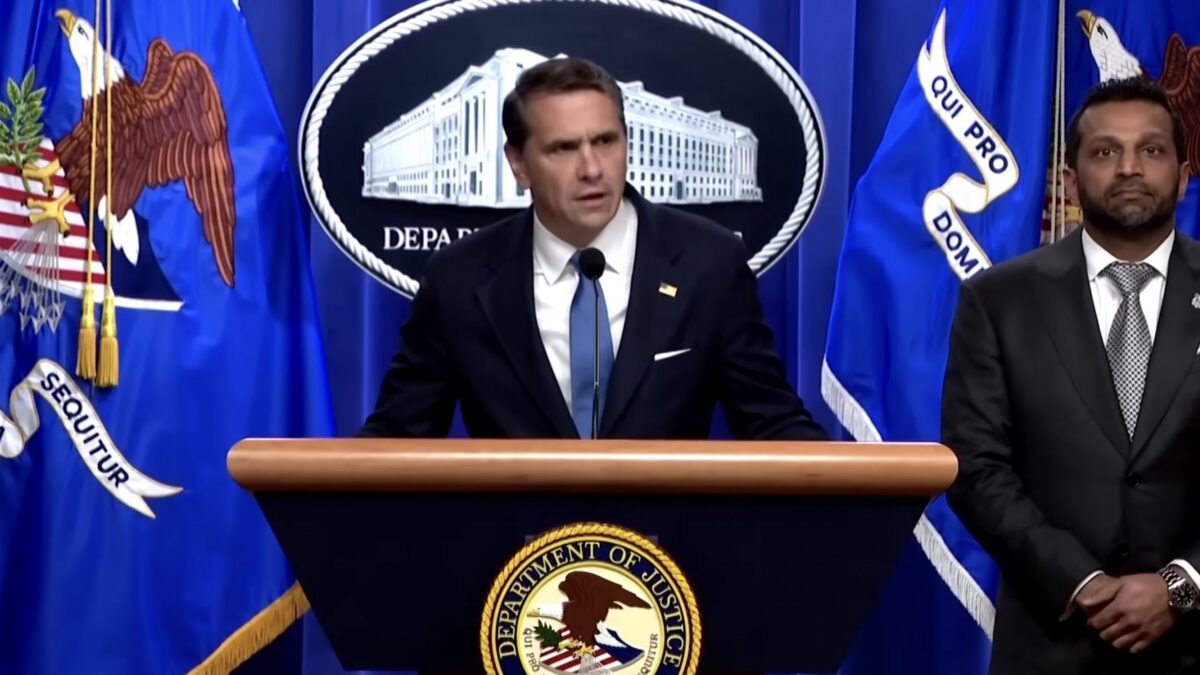
If the allegations are true, this isn’t exactly a shocking twist—it’s more like a textbook case finally catching up with a very high-profile name. Analysts with experience in anti-money laundering laws say the indictment against the Southern Poverty Law Center (SPLC) for fraud, false statements to a bank, and conspiracy to commit money laundering looks… well, pretty standard given the facts laid out. Not dramatic—just serious.
Of course, the loudest reaction right now isn’t about the substance of the charges. The SPLC is already leaning into a familiar defense, suggesting it’s being politically targeted. Some legacy media voices are echoing that narrative, calling the case “murky” or “nakedly political.” Because when detailed allegations meet uncomfortable scrutiny, the fallback explanation tends to write itself.
But here’s the thing: the indictment isn’t vague. It lays out claims that the SPLC created bank accounts for businesses that allegedly didn’t exist—no incorporation, no employees, no real operations. That’s not a gray area. Under the Bank Secrecy Act and modern “know your customer” rules, opening a business account requires extensive documentation and verification. Banks don’t just hand those out like loyalty cards.
Which raises the obvious question, as former fraud investigator Kevin Sullivan put it: how did those accounts get opened in the first place? According to legal expert William Byrnes, there are really only three possibilities if the allegations are accurate: banks ignored their legal duties, insiders bypassed safeguards, or fraudulent documents were used. And the indictment points directly to the last one—alleging that SPLC employees submitted false paperwork to make it happen.
If that’s true, the paper trail doesn’t disappear. Banks retain those documents, regulators review them, and prosecutors can bring them straight into court. In fact, Byrnes was blunt about what that means: whoever created or signed those documents could face personal criminal exposure. Because at the end of the day, paperwork doesn’t fake itself.
The situation becomes even more complicated when you look at how those accounts were allegedly used. According to the indictment, funds moved through entities like a “photography studio” or a “rare books warehouse” that didn’t actually conduct those kinds of businesses—instead making payments to informants. That kind of mismatch is exactly what financial monitoring systems are designed to catch, often triggering suspicious activity reports to federal authorities.
And if the indictment accurately describes written admissions to a bank acknowledging that some of these businesses didn’t exist, that’s not just a red flag—that’s a blinking neon sign.
From there, the list of potential questions grows quickly. Were these payments properly reported to the IRS? Were taxes paid? What are the legal implications of routing funds through shell entities that don’t align with nonprofit structures? As analysts point out, this could easily expand beyond the current charges.
Despite claims of political motivation, experts like Byrnes take a simpler view: fraud is fraud. Whether or not a different administration would have pursued the case is a separate question—but it doesn’t erase the underlying allegations or the evidence that may support them.
For now, the case is just beginning, and the SPLC has not publicly responded in detail to the specific claims in the indictment. But if the facts hold up in court, this may not be the end of the story—it may just be the first chapter.
And in a system built on documentation, oversight, and accountability, one thing remains clear: when the paper trail starts talking, it usually has a lot more to say.
- Politics
By 4ever.news
SPLC Indictment Sparks Deeper Questions: Analysts Say More Charges May Be Coming
Trending News
- Politics
- Trump
Melania Trump Supporters Target Kimmel Advertisers as Disney
22 hours ago- Politics
- Trump
Trump Rejects Weak Iranian Proposal as Nuclear Concerns Take
1 days ago- Politics
- Trump
Trump Slams “60 Minutes” as Disgraceful for Airing Shooter’s
2 days ago- Politics
- Trump
Trump Sounds the Alarm: Pass SAVE America Act or Face Politi
3 days ago
All About Trump
- Trump
OPEC Cracks Under Pressure: Free Markets Rise as Trump-Era Energy Strategy Pays Off
For decades, OPEC has acted like the world’s unofficial thermostat—turning the heat up or down on global energy prices depending on what suited a handful of oil-producing nations. But now, that grip appears to be loosening. And if you believe in 21 hours ago
- Trump