In a move signaling a long-overdue crackdown on potential visa exploitation, the State Department has proposed significant changes to the J-1 Exchange Visitor Program. The new regulations aim to expand and clarify the grounds for terminating participation in these programs and tighten oversight of their sponsors, addressing vulnerabilities that have allowed some to abuse America's generosity.

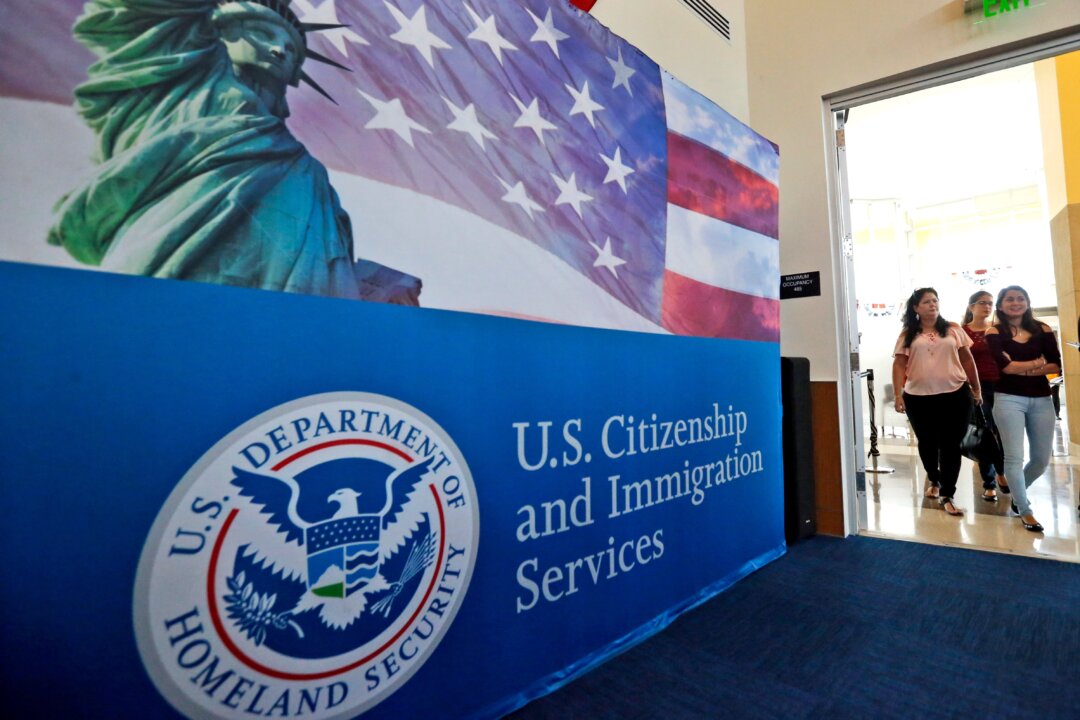
The Notice of Proposed Rulemaking, published in the Federal Register on July 30, zeroes in on nonimmigrants utilizing J-1 visas for educational and cultural exchange. These visitors, alongside their J-2 visa-holding spouses and children, are tracked through the Student and Exchange Visitor Information System (SEVIS), a critical database managed by the Department of Homeland Security (DHS).
For too long, the J-1 visa, intended for temporary educational, cultural, or professional exchanges—including au pairs, college students, and medical trainees—has presented loopholes. Existing rules outline program termination for those who cease authorized activities, violate rules, or drop required insurance, with unauthorized employment also a trigger. Yet, the old system often lacked the teeth needed for robust enforcement.
The proposed rule seeks to sharpen these conditions, explicitly authorizing the State Department to terminate visitor programs and overhauling sections related to program extensions and reinstatement of valid status. Obsolete requirements, ripe for exploitation, would also be purged from the regulations.
Crucially, the new definitions will clarify "unauthorized employment" and "valid program status," while a separate, often abused, extension provision for au pairs is set to be rescinded. Visitors whose programs are terminated under these stricter rules will face immediate removal from the United States, without the customary 30-day grace period typically afforded after normal program completion. Their SEVIS records will be swiftly updated to terminated status, with dependents usually following suit.

This initiative from the State Department follows closely on the heels of a significant mid-July action by the government to replace the problematic "duration of status" admissions for J-1 and F-1 nonimmigrant student holders. That critical change, already finalized by the Department of Homeland Security and effective mid-September, will enforce fixed periods of stay, generally capped at four years, excluding extensions. This requires more formal extension filings with U.S. Citizenship and Immigration Services for those truly needing additional time.
DHS Secretary Markwayne Mullin minced no words on July 16, declaring, "For nearly half a century, the outdated 'duration of status' system has compromised national security and created an environment ripe for immigration fraud." He starkly highlighted how "foreign students have been admitted into the U.S. indefinitely, allowing thousands to abuse our immigration system by perpetually enrolling in courses to avoid having to leave the U.S."
This sentiment directly echoes the strong warnings from the Trump administration, which had long highlighted the abuses inherent in these visas, condemning foreign "forever students" who exploited the system by continuously enrolling in courses to remain in the country. The new rule, by limiting F-1 and J-1 visa holders to specific program durations not exceeding four years, is a clear step towards reasserting American sovereignty and protecting our immigration system from those who would game it.
America's immigration policies must serve American interests, uphold national security, and ensure accountability. This move to end the era of indefinite stays and hold visa holders to precise terms is a welcome development, signaling a renewed commitment to common sense and the rule of law in our exchange programs.