The volatile Strait of Hormuz has once again become a flashpoint, erupting into military conflict after a month-long lull, as the United States launched strikes against Iranian forces amidst escalating threats to global shipping. This sudden return to hostilities starkly contrasts with claims of stability achieved just weeks prior, underscoring the enduring challenge posed by the rogue regime in Tehran.
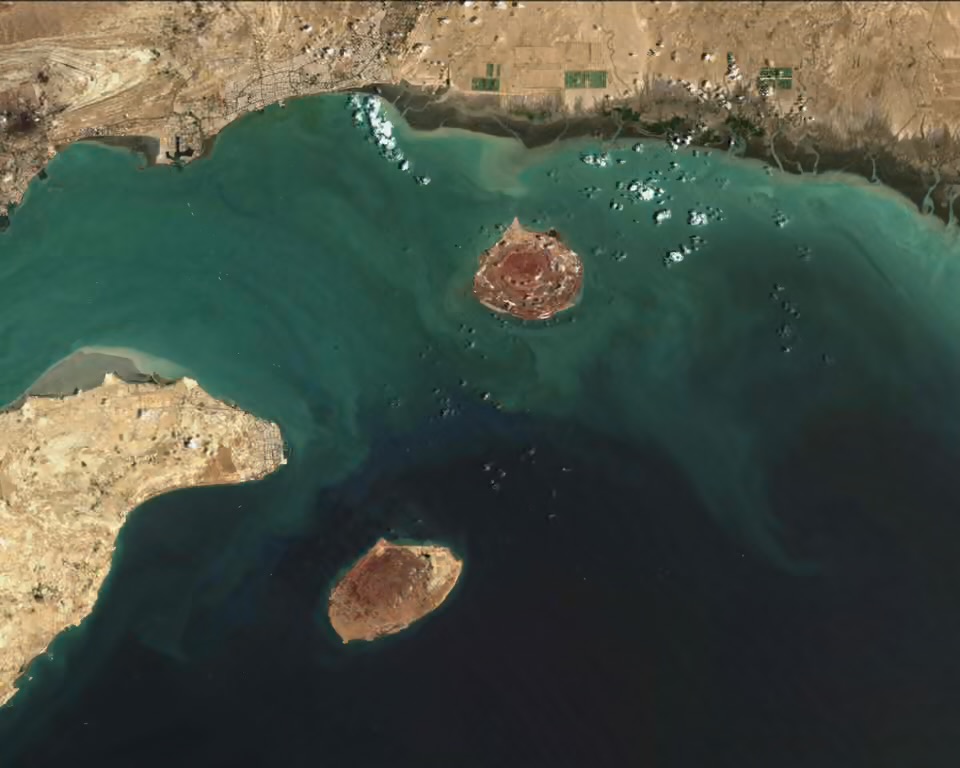
U.S. Central Command confirmed that American forces struck Iranian rocket launchers on Larak Island late Sunday. The precision strikes were a direct response to intelligence indicating that Iran's Islamic Revolutionary Guard Corps (IRGC) was actively preparing to deploy fresh sea mines into the critical shipping lane. This preemptive action was necessary to safeguard vital international commerce and protect American interests in the region.
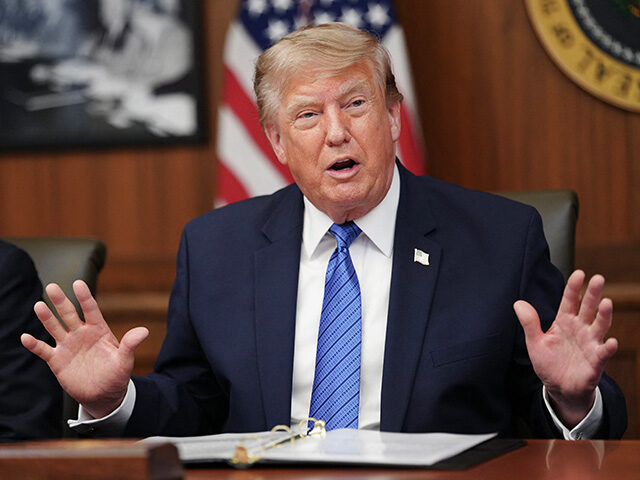
Just last week, President Donald Trump asserted that the U.S. Navy had successfully cleared the Strait of Hormuz of mines, marking a significant achievement in regional security. Iran, predictably, dismissed these claims as “lies.” Yet, the recent events raise serious questions about the sustained commitment required to maintain that hard-won stability and prevent a slide back into constant provocation.
Following the U.S. intervention, Tehran quickly retaliated. Iranian state media reported that the IRGC targeted "technical infrastructure, maintenance facilities and enemy fighter jet positions" at U.S.-operated King Hussein and al-Azraq airbases in Jordan with ballistic missiles, claiming "heavy damage." Simultaneously, reports emerged of an attack on a U.S. military base in the United Arab Emirates. While U.S. sources quickly countered, stating all incoming missiles on forces in Jordan were intercepted with "no significant impact" and the UAE Ministry of Defence confirmed intercepting a drone over its territorial waters, the message from Tehran was clear: defiance.
The renewed conflict follows a period of tenuous diplomatic maneuvering, with claims of an agreement between Oman and Iran on a single navigation route through the Strait. However, Iran’s insistence on preconditions before opening this agreed route, combined with the U.S. not stating its position, highlights the fundamental distrust and the Mullahs' unwillingness to negotiate in good faith.
The economic implications are already stark. Tanker Trackers, an independent agency, reported a drastic drop in crude oil exports via the Strait of Hormuz, from an average of 9.8 million barrels per day during a formal, albeit brief, ceasefire, to just 3.8 million barrels per day. Iranian crude exports, once a significant source of revenue, had already plummeted to zero for some time. This directly impacts global energy markets and American consumers.
As global leaders convene for a G20 finance ministers meeting in the U.S., a predictable clash is expected over American demands for more stringent sanctions on Iran. Countries like Germany, facing domestic electoral pressures and concerned about "inflationary impact," are poised to urge a "diplomatic end" to the conflict. This reveals a dangerous prioritization of economic comfort over confronting a clear and present threat to international security and American strength.
Meanwhile, Iranian President Masoud Pezeshkian is reportedly seeking concrete Chinese investment at the Shanghai Cooperation Organisation meeting in Kyrgyzstan. China, a major Iranian oil customer, has already signaled opposition to new U.S. sanctions, further complicating efforts to rein in Tehran's destabilizing actions.
This renewed escalation in the Strait of Hormuz serves as a stark reminder that American leadership and strength are paramount. Protecting vital trade routes, defending U.S. personnel and assets, and confronting regimes that seek to disrupt global order requires an unwavering America First posture, one that prioritizes national security and confronts aggression head-on, rather than yielding to the false promises of 'diplomatic progress' that only embolden our adversaries.