A recent decision by the Supreme Court of the United States has sparked intense debate over free speech, medical regulation, and gender-related care, following a ruling that struck down a Colorado law restricting certain forms of counseling for minors. ⚖️
The majority opinion, led by Neil Gorsuch, concluded that the state of Colorado violated the First Amendment rights of counselors by prohibiting specific types of talk therapy. The case involved professionals such as Kaley Chiles, who argued that the law prevented them from engaging in conversations requested by clients regarding gender identity and related concerns. The Court determined that restricting what counselors can say to patients constitutes a limitation on protected speech.
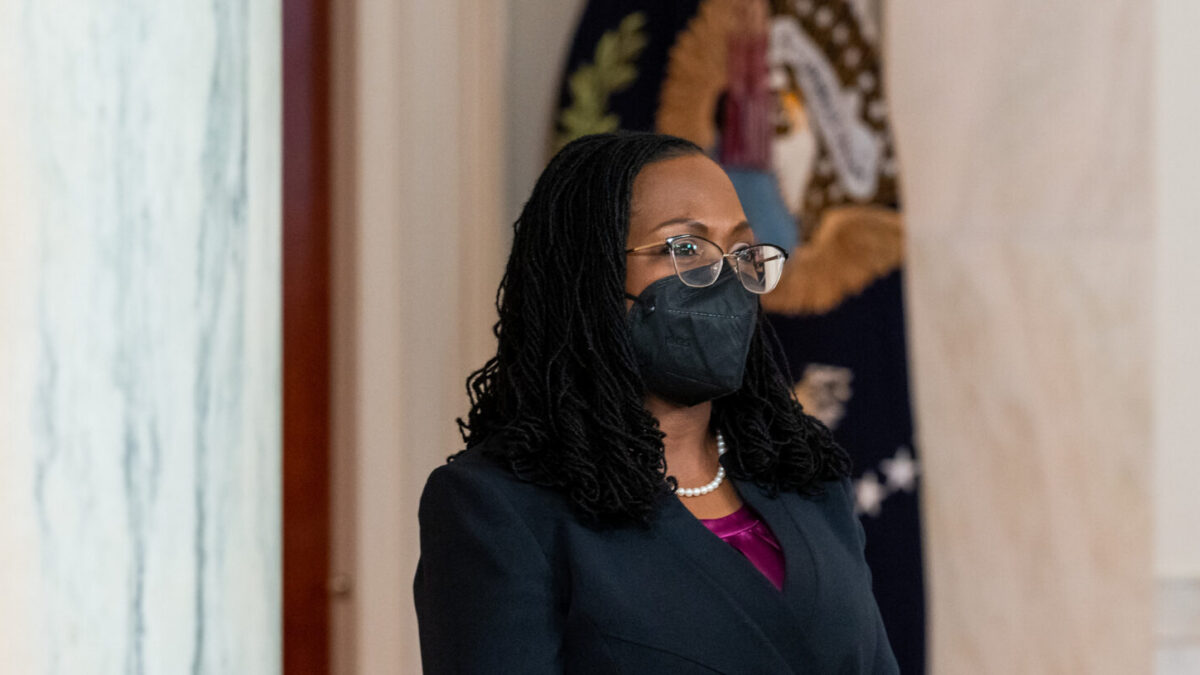
In contrast, Ketanji Brown Jackson issued a lengthy dissent, arguing that the Colorado law should be viewed as a standard regulation of medical practice rather than a restriction on speech. She maintained that when professional speech is tied to treatment, states have broader authority to regulate it in order to protect patients, particularly minors. According to her reasoning, limits on certain therapeutic approaches could be justified as part of healthcare oversight.
Jackson emphasized that evaluating the case requires understanding the intent behind the law and the type of speech involved. She argued that not all speech within a medical setting is treated equally under constitutional law, especially when it intersects with professional standards and patient safety.
The ruling has drawn attention not only for its legal implications but also for how it contrasts with other recent cases involving gender-related medical treatments. In particular, debates have emerged over the consistency of judicial reasoning when courts assess restrictions on speech versus restrictions on medical procedures.
Supporters of the majority decision argue that allowing the government to control what professionals can say to clients sets a dangerous precedent for free expression. Critics, however, contend that states must retain the ability to regulate healthcare practices, especially when they involve vulnerable populations.
The case highlights broader national tensions surrounding the balance between constitutional rights and state authority in areas involving healthcare, gender identity, and professional conduct. As similar laws continue to be challenged across the country, the Court’s decision is likely to influence future legal battles over the limits of both free speech and medical regulation.