
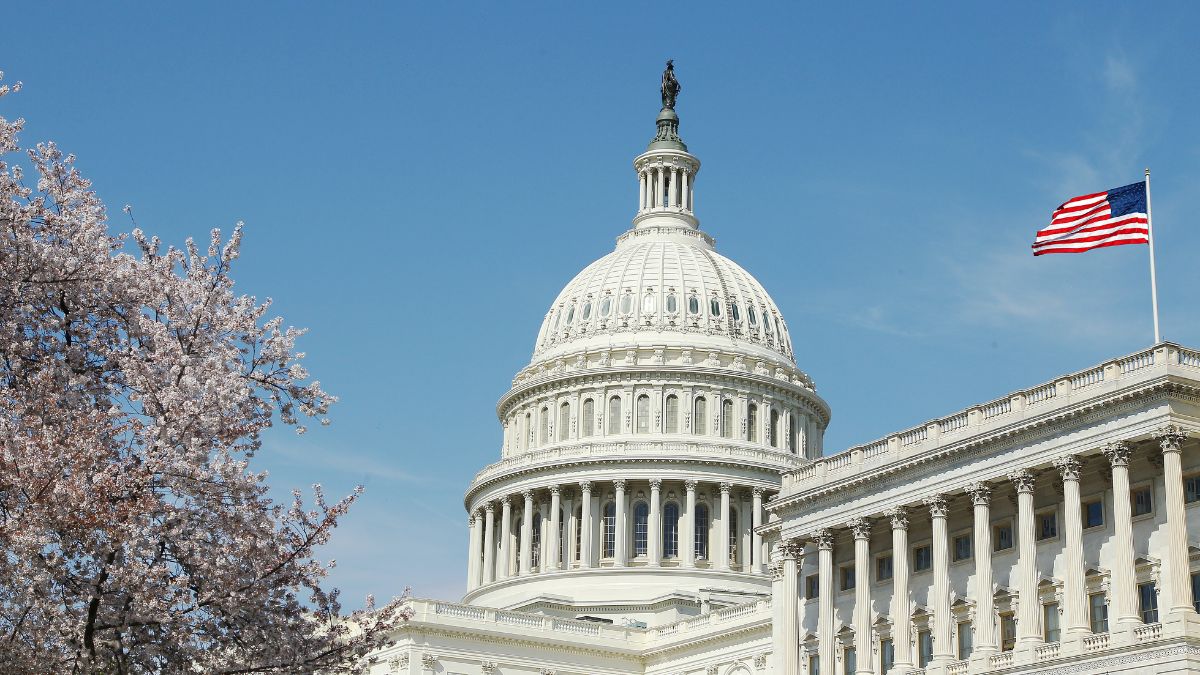
In a move that’s already shaking up the political landscape (and likely giving a few activists heartburn), the U.S. Supreme Court has allowed its recent ruling on the Voting Rights Act to take effect ahead of schedule. The decision gives Louisiana Republicans a clearer path as they work to redraw congressional maps before the November midterm elections.
The ruling, issued in a 6-3 decision on April 29, struck down an electoral map that had created a second Black-majority congressional district in Louisiana. At the heart of the case was a key provision of the Voting Rights Act that had been used to challenge maps seen as diluting minority voting power. The Court’s decision effectively removed that provision—something critics are loudly objecting to, but supporters argue restores fairness and constitutional balance. Funny how “fairness” suddenly becomes controversial depending on who benefits.
Typically, the Supreme Court waits about 32 days before a ruling formally takes effect, giving the losing side time to request a rehearing. But in this case, a group of Louisiana voters—describing themselves in court filings as “non-African American”—asked the Court to move things along more quickly. The justices agreed, accelerating the timeline and, in the process, reshaping the state’s electoral strategy.
Louisiana Governor Jeff Landry wasted no time responding. He declared an emergency and postponed the state’s congressional primary elections, originally set for May 16, in order to pursue a new voting map. Naturally, that move triggered a wave of lawsuits from opponents claiming the governor overstepped his authority—because nothing says “democracy” like trying to block changes you don’t like in court.
Meanwhile, Republicans are looking at the bigger picture. With control of both the House and Senate on the line in November, every decision counts. And this one? It could make a real difference.
At its core, this isn’t just about maps or timelines—it’s about how elections are structured and who gets to shape them. The Court’s decision reinforces the idea that the Constitution, not shifting political narratives, should guide those choices.
And while critics will undoubtedly keep sounding the alarm, the reality is simple: the system is working as designed. The courts ruled, the process moved forward, and states are adapting accordingly.
In a time when confidence in institutions is constantly tested, decisive action like this reminds us that the rule of law still holds firm—and that’s something worth holding onto.
- Politics
By 4ever.news
Supreme Court Fast-Tracks Voting Rights Act Ruling—A Win for Election Clarity and the Rule of Law
Trending News
- Politics
- Trump
Judge Apologizes to Alleged Trump Assassin—Yes, You Read Tha
21 hours ago- Politics
- Trump
Trump Launches “Project Freedom” as Iran Escalates Tensions
1 days ago- Politics
- Trump
Trump Reviews Iran’s “Peace Plan” — But Isn’t Buying It (Yet
2 days ago- Politics
- Trump
Trump’s Economic Fury Tightens the Noose on Iran as Pressure
3 days ago
All About Trump
- Trump
Trump Pushes to Reopen Strait of Hormuz—Daring Iran to Make the Next Move
WASHINGTON—President Donald Trump is turning up the pressure in one of the world’s most critical waterways, deploying U.S. forces into the Strait of Hormuz and effectively daring Iran to respond.On Monday, American attack helicopters sank si 21 hours ago
- Trump