Former Pennsylvania Judge Mark B. Cohen has reached the end of the road in his fight over a social-media habit that the state’s highest court said made him look less like an impartial jurist and more like a political advocate.
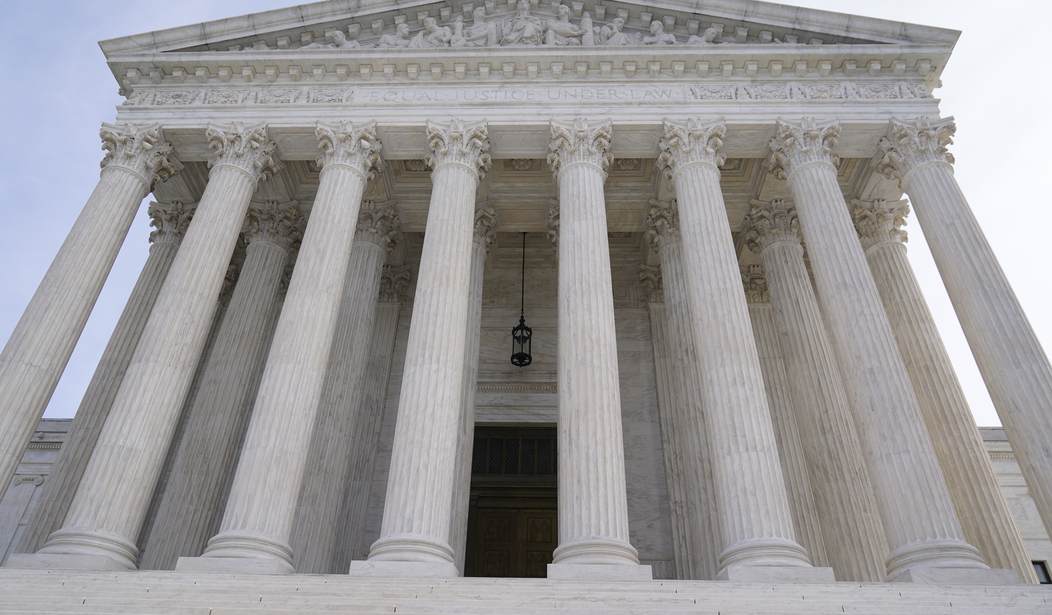
The U.S. Supreme Court declined to hear Cohen’s appeal, leaving intact the Pennsylvania Supreme Court’s January 2026 decision upholding his suspension over years of partisan Facebook activity.
The case centered on a basic question: How much political advocacy can a sitting judge engage in publicly before it undermines confidence in the judiciary?
Pennsylvania’s highest court concluded that Cohen crossed that line.
Cohen created his Facebook page in 2007, while serving as a Democratic member of the Pennsylvania House of Representatives. After he was elected to the Philadelphia Court of Common Pleas in 2017 and took the bench in 2018, however, he continued using the publicly accessible page to comment on politics.
The Pennsylvania Supreme Court said his posts included praise for President Joe Biden and Gov. Josh Shapiro, advocacy for Democratic-backed legislation, criticism of conservative policies and commentary on issues including abortion, gun control, student-loan relief and January 6.
His page identified him as a judge and had roughly 5,000 Facebook friends and 1,000 followers.
The Judicial Conduct Board eventually investigated after another judge raised concerns about Cohen’s social-media activity. Cohen was advised to address the issue, but continued posting political material.
The Court of Judicial Discipline ultimately found that his activity violated multiple provisions of Pennsylvania’s judicial conduct rules and suspended him without pay for the remainder of his judicial term.
Cohen argued that the First Amendment protected his posts.
The Pennsylvania Supreme Court disagreed.
In its January 2026 ruling, the court established a balancing test for a sitting judge’s speech on matters of public concern. The court said a judge’s interest in speaking must be weighed against the Commonwealth’s interest in maintaining the independence, integrity and impartiality of the judiciary.
And in Cohen’s case, the court found the balance clearly favored the judiciary’s interest.
The problem, according to the court, was not simply that Cohen expressed political opinions. It was the sheer volume and consistently partisan tone of the posts.
The court concluded that his activity cast him as “little more than a spokesperson for the Democratic Party.”
Justice David Wecht was even more pointed in his concurrence, warning judges against the kind of “partisan punditry and running online commentary on politics” that had continually poured from Cohen’s keyboard.
Cohen himself offered a different explanation for the posts. He testified that he was simply trying to “engage people in discussion” and believed the conversations were beneficial because they allowed him and others to learn.
But the state court rejected the idea that a judge’s personal perception of his own impartiality settled the issue.
Judges occupy a fundamentally different position from ordinary politicians. Once someone takes the bench, the public must have confidence that judicial decisions are being made according to law rather than political allegiance.
That was precisely the concern the Pennsylvania Supreme Court identified.
The court emphasized that Cohen was not campaigning for judicial office when he made the posts. That distinction mattered because the U.S. Supreme Court has previously recognized stronger First Amendment protections for speech by judicial candidates.
Cohen’s attorneys had warned the Supreme Court that allowing the Pennsylvania ruling to stand could chill judicial speech, invite political interference and undermine the rule of law.
The justices declined to take the case, leaving the Pennsylvania ruling in place.
Cohen's judicial term had already ended in December 2024 when he reached the mandatory retirement age of 75, meaning the practical consequences of the suspension were largely tied to the remainder of that term. The disciplinary ruling nevertheless established an important precedent for how Pennsylvania courts can treat partisan social-media activity by sitting judges.
The broader lesson is straightforward: judges have First Amendment rights, but the robe comes with responsibilities that do not disappear when the judge logs onto Facebook.
Political advocacy may be perfectly ordinary behavior for a legislator or party activist. For a sitting judge, however, publicly presenting himself as an advocate for one political party can raise a very different question — not whether he is entitled to have political opinions, but whether the public can still reasonably trust him to leave those opinions outside the courtroom.