The Supreme Court's decision to uphold birthright citizenship under the 14th Amendment has left many conservatives deeply frustrated—and for good reason. The 5-4 ruling sparked sharp dissents from Justices Samuel Alito and Clarence Thomas, who argued the majority's reasoning departed from the Constitution's original meaning in favor of a preferred policy outcome.
For many on the right, the ruling represents another missed opportunity to confront one of the most consequential issues facing the country. But while the decision has become the focus of the debate, it also points to a larger reality that cannot be ignored: birthright citizenship becomes a far more contentious issue when paired with years of unchecked illegal immigration.
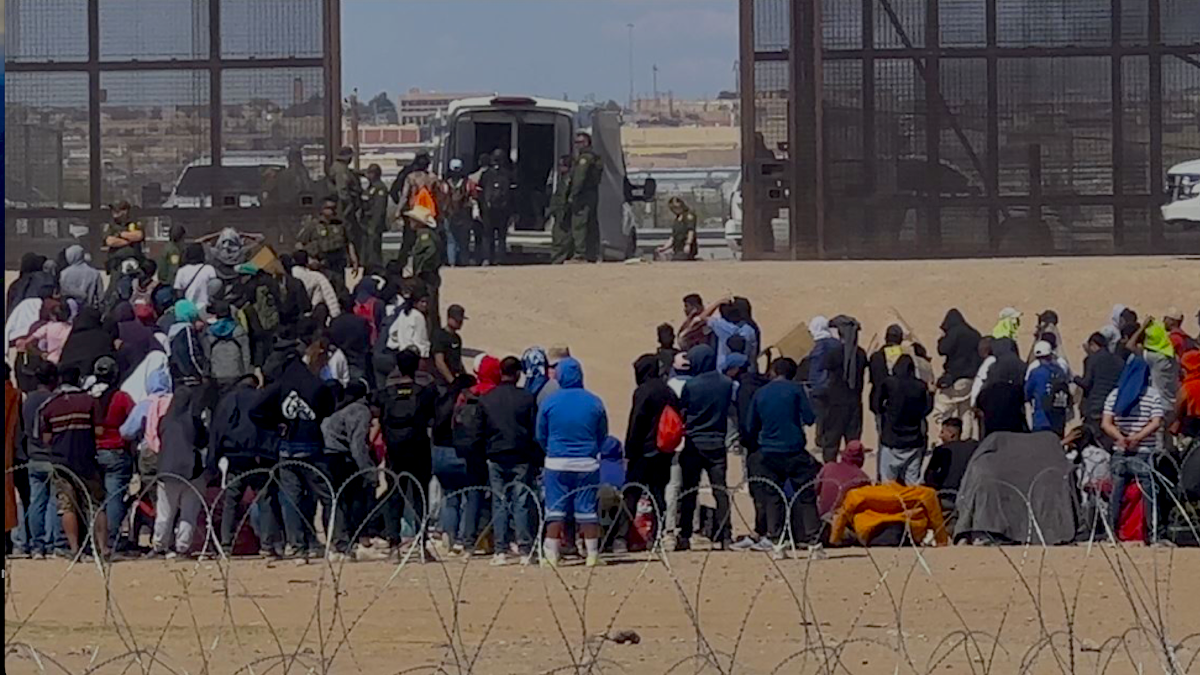
The constitutional question has long divided legal scholars, but the practical consequences have become increasingly difficult to separate from America's border crisis. During the previous Democratic administration, millions of illegal immigrants entered the United States, creating unprecedented pressure on immigration enforcement, public services, and local communities. For many Americans, that experience fundamentally changed the conversation.
The concern is not simply about the language of the 14th Amendment. It is about how existing laws interact with an immigration system that many believe has been deliberately weakened by political leaders determined to reshape the country's demographics and electoral landscape.
Alito and Thomas made clear in their dissents that they believe the majority failed to faithfully interpret the Constitution. Instead, they argued, the Court embraced an understanding of the Citizenship Clause that extends beyond its original purpose. Their opinions have already become a rallying point for constitutional conservatives who see the ruling as another example of judicial activism overriding original intent.
Yet even those disappointed by the outcome should recognize that the Court did not create the underlying problem. A legal doctrine that remained relatively uncontroversial for generations became politically explosive only after years of record-breaking illegal immigration exposed the weaknesses of federal border enforcement.
That distinction matters.
If the border is secure and immigration laws are enforced, the debate over birthright citizenship carries far different practical consequences than it does during a period of mass unlawful entry. When millions are allowed to cross the border with little deterrence, questions surrounding automatic citizenship for children born in the United States inevitably become central to the national immigration debate.
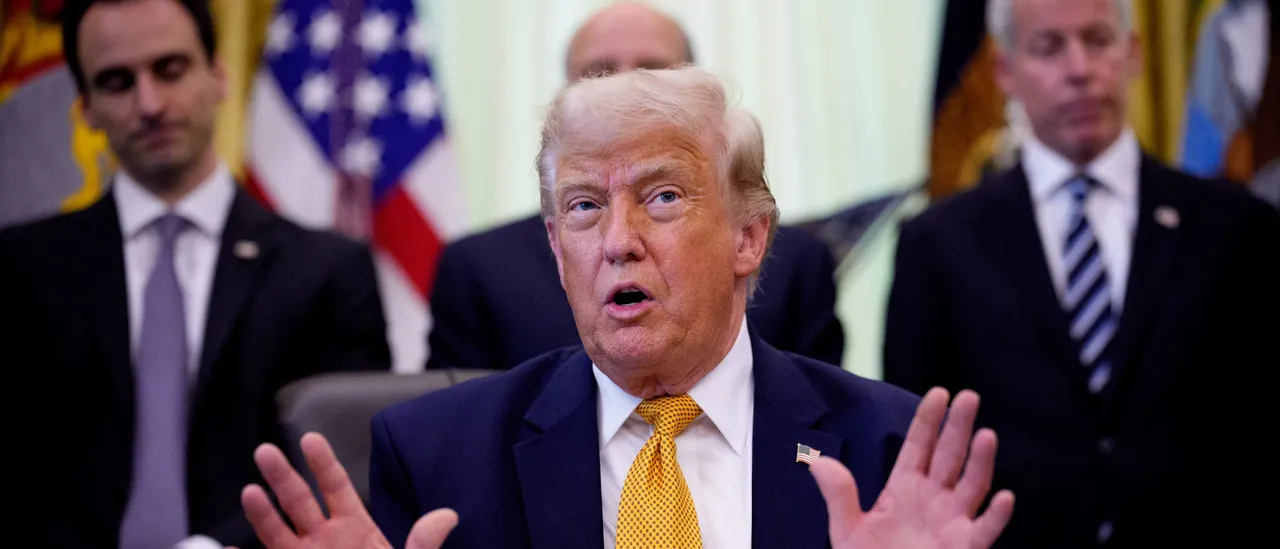
President Donald Trump has repeatedly argued that border security is the foundation of national sovereignty. His America First agenda emphasized enforcing immigration law, securing the southern border, and putting the interests of American citizens ahead of policies that encourage illegal immigration. The events of recent years have only strengthened that argument for many voters.
The Supreme Court may have settled this legal dispute—for now—but it did not settle the broader policy debate. If anything, the ruling highlights a truth that many Americans have already reached on their own: no immigration system can remain sustainable when border security is treated as optional. The long-term solution lies not only in constitutional interpretation but in restoring the rule of law, defending national sovereignty, and ensuring that America's immigration policies serve the interests of the American people first.