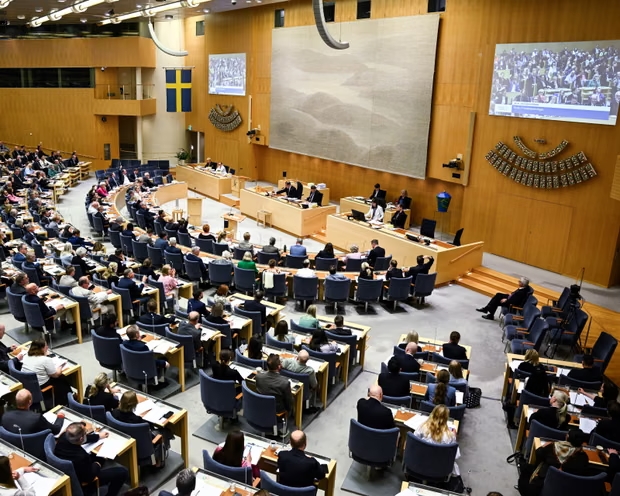
Sweden’s parliament has voted to strengthen the country’s immigration policies, approving new laws that expand authorities’ ability to revoke residency permits and increase reporting requirements related to undocumented individuals.
The legislation passed late Monday and represents another step in Sweden’s broader effort to tighten immigration enforcement ahead of parliamentary elections scheduled for September.
Among the measures approved is the so-called “good behaviour” law, which would allow residency permits to be revoked under standards tied to conduct. According to the legislation, the rules would apply not only to future and pending residency cases but would also extend retroactively to many current residents.
Parliament also backed requirements obliging most public sector workers to report individuals suspected of being undocumented.
The vote comes as immigration continues to remain a major political issue in Sweden, where the current center-right government relies on support from the Sweden Democrats to maintain governing power.
Supporters of stricter immigration policies argue that residency and long-term access to public systems should come with expectations of compliance and accountability. Critics have raised concerns about how standards such as “good behaviour” may ultimately be interpreted and enforced.
As election season approaches, immigration appears set to remain at the center of Sweden’s political debate. And once again, Europe finds itself discussing a question more countries seem increasingly willing to ask: where should the balance between openness and enforcement be drawn?
Whatever comes next, Sweden’s lawmakers have made one thing clear—immigration policy will remain a defining issue shaping the country’s future.