
In a stark reminder of bureaucratic failure and the fragility of the justice system, convicted death row inmate Christa Pike, responsible for the brutal 1995 murder of Colleen Slemmer, is reportedly "recovering" after surviving Tennessee’s botched attempt to execute her. One month after her failed lethal injection, Pike claims lingering pain and confusion, yet the true agony belongs to the family of her victim, still awaiting the full measure of justice that the state spectacularly failed to deliver.
Pike, 50, described her current condition in a statement dictated to her legal team, released on Friday, reflecting on the night she believed would be her last. "One month ago on September 30, I walked into the execution chamber at Riverbend men’s prison prepared to die," Pike stated. "I had made my peace."
The execution, however, did not proceed as planned. Following the administration of two doses of pentobarbital, the state's attempt failed, leaving Pike unconscious but alive. Her attorneys initially believed she was brain-dead and would be taken off life support, but Pike eventually regained consciousness and was discharged from the hospital, only to be returned to prison.
Reflecting on the aftermath, Pike described a harrowing experience. "Several days later I woke up alone in a hospital confused and in pain," she said. "There hasn't been a moment since that night when I haven't been in pain. My body hurts. My arms hurt. My hands hurt. My throat hurts. I still struggle to speak. And the pain isn't just physical. There is pain in my mind and in my soul."
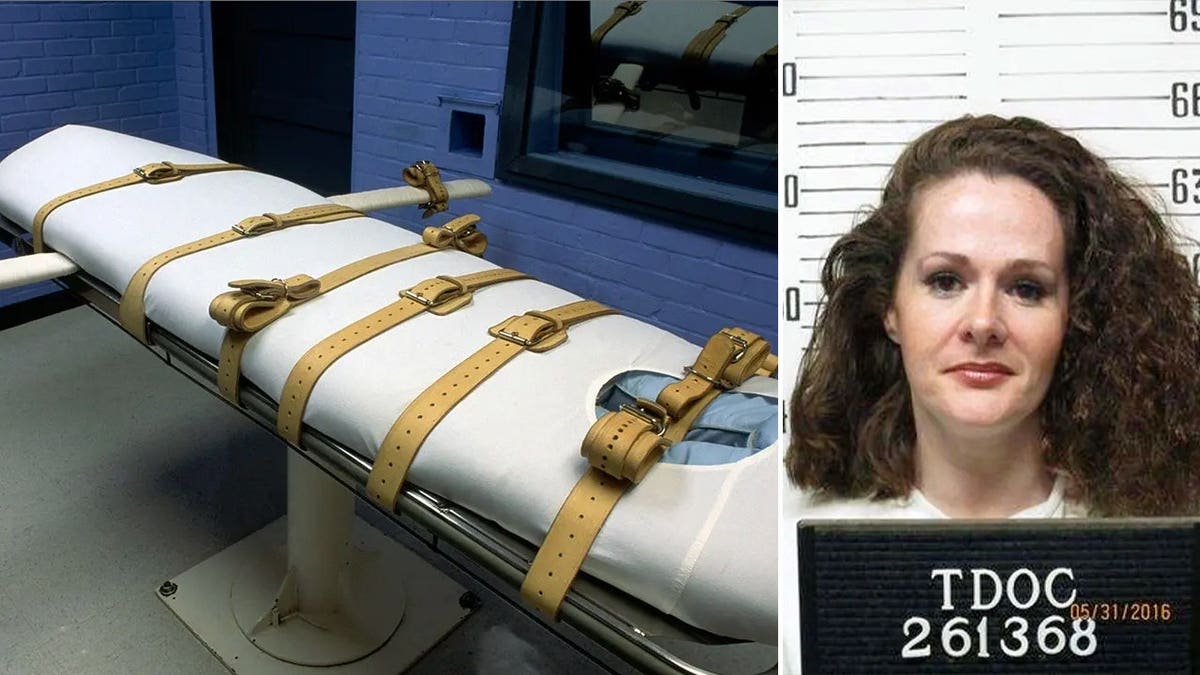
Yet, the focus must remain on the monstrous crime that placed her on death row. Christa Pike was sentenced to death for the cold-blooded 1995 murder of 19-year-old Colleen Slemmer, a fellow participant in a federal Job Corps program in Knoxville. Pike, along with her 17-year-old boyfriend, Tadaryl Shipp, and 19-year-old Shadolla Peterson, lured Slemmer to a secluded area on the University of Tennessee's Knoxville campus.
What followed was an act of unspeakable savagery. Slemmer's throat was cut multiple times, she was struck in the head with a large piece of asphalt, and in a chilling act of depravity, a pentagram was carved into her chest. Pike later confessed to her role in this horrific killing, leading to her conviction and death sentence in 1996, a sentence affirmed by the Tennessee Supreme Court.
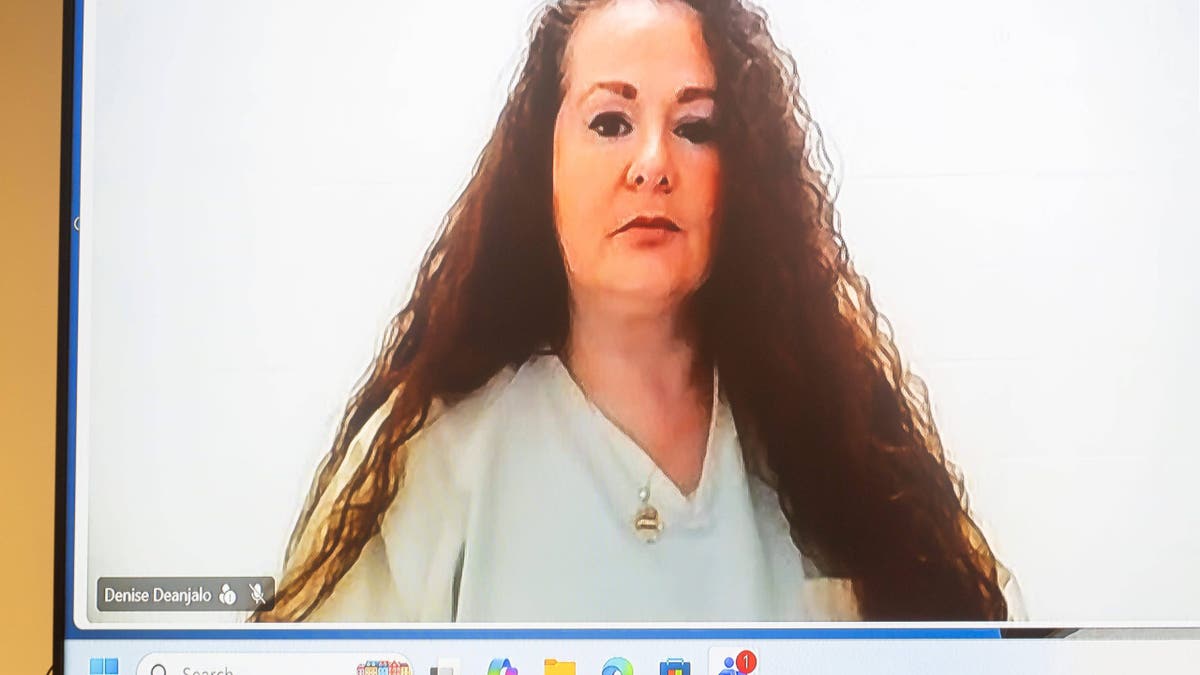
Pike’s statement also revealed her bewilderment. "I had not contemplated life beyond that night, and I’m deeply hurt by the incompetence that has put so many people in this terrible position," she claimed. While her personal 'hurt' is noted, it rings hollow when weighed against the unimaginable terror she inflicted upon Colleen Slemmer’s innocent life and the eternal pain and loss endured by Slemmer’s family, who have had to relive their nightmare through this egregious state error.
This shocking failure by the state of Tennessee has not only renewed a decades-long legal battle over Pike's sentence but also forced Governor Bill Lee to halt all remaining executions for the year and order an independent review into the debacle. Pike's attorneys are now pushing for her death sentence to be commuted to life without parole, arguing against a second attempt at execution.
Currently, Pike is recovering in the infirmary at the Debra K. Johnson Rehabilitation Center, where she claims to be largely isolated. "Since that night, I have been largely isolated in the prison’s medical ward, away from other people and the human connections that mean so much to me," she continued. "That isolation brings its own kind of pain. I spent 28 years in solitary confinement and much of what I am experiencing today is a repeat of that condition."
While her physical recovery is underway, she acknowledges a deeper struggle. "I am recovering, and I know that I am getting stronger," Pike said. "But healing is not the same as being okay." Her ultimate survival has cast a shadow over the integrity of the state's capital punishment protocol and reopened old wounds for the victim's family, forcing them to confront the possibility that justice may remain unfulfilled.
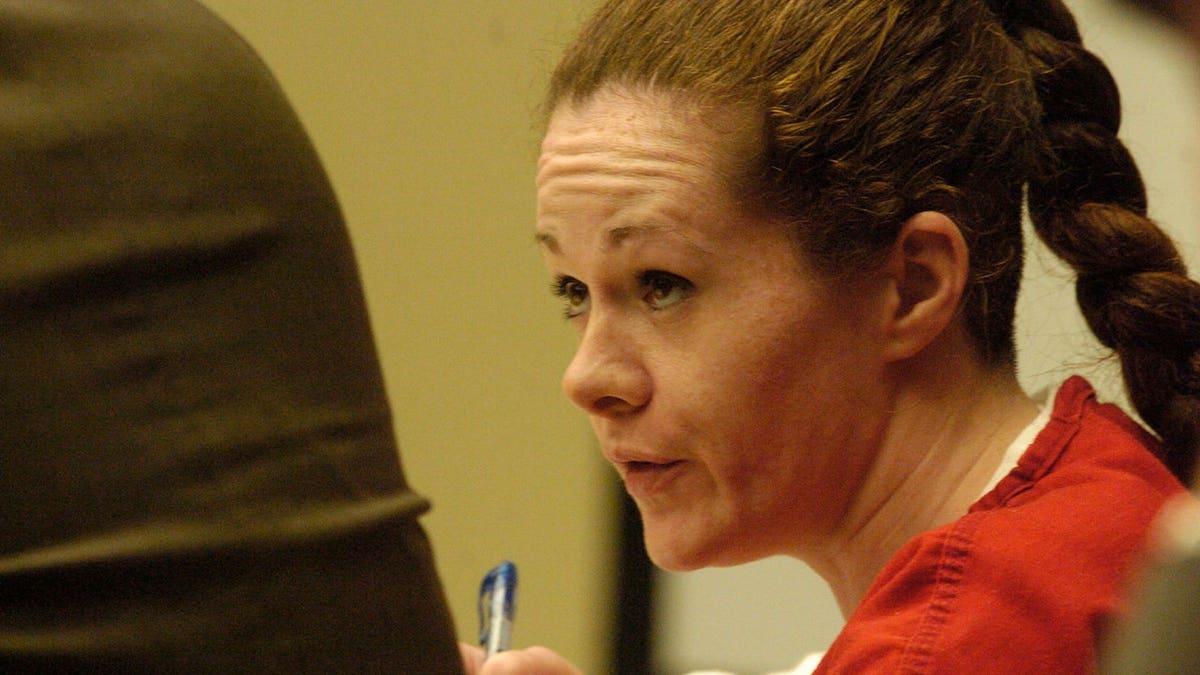
This incident underscores a critical question about accountability within our justice system: When the state fails so catastrophically to carry out its mandate, what does that mean for the rule of law and the families who rely on it for closure? The incompetence displayed in this execution attempt is a disservice to the memory of Colleen Slemmer and a profound challenge to public trust in the state's ability to deliver justice. The focus must remain on the victim and ensuring that such egregious failures are never repeated, upholding the foundational principles of law and order that are essential to a just society.