The days of shoveling billions of American tax dollars into wealthy NGO bureaucracies may finally be coming to an end. Secretary of State Marco Rubio announced on Thursday that the United States is overhauling its foreign aid model — and this time, the money is going to partner nations directly, not to overpaid NGO executives in northern Virginia enjoying their sixth vacation home. A refreshing change, to say the least.
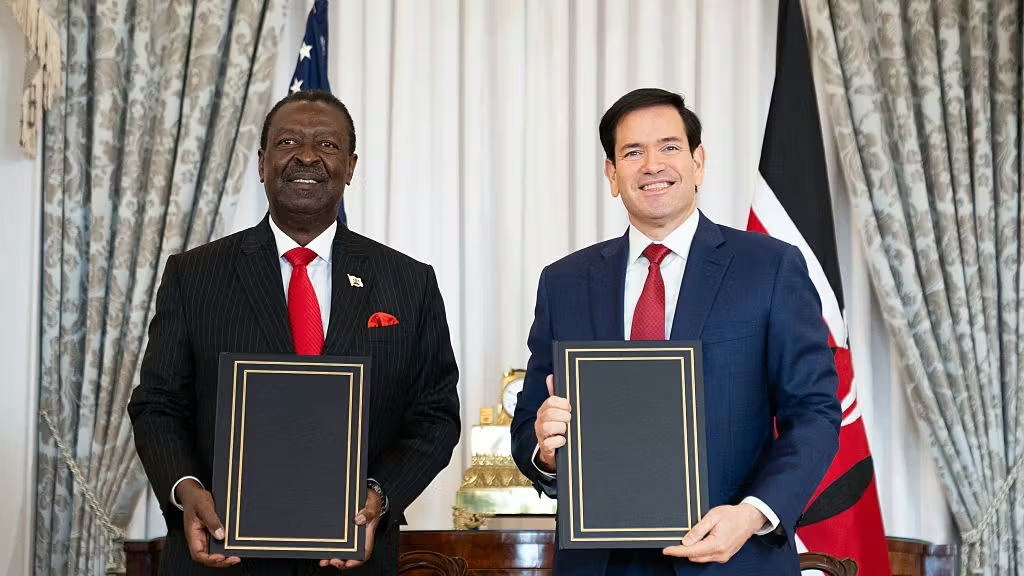
Rubio unveiled the plan during the signing of a $2.5 billion Health Cooperation Framework with Kenya. Under the new agreement, the United States will provide up to $1.6 billion over the next five years to strengthen key health programs, while Kenya will increase its own health spending by $850 million to build long-term self-reliance. Imagine that — a foreign aid deal where the receiving country actually invests too.
Rubio didn’t hold back when describing the old system. For years, taxpayer money was funneled through foreign and U.S.-based NGOs that burned through funds on overhead, executive salaries, and administrative bloat before a single dollar ever reached a patient. “By the time it got down to it, the host country had very little influence … and only a percentage of the overall money ever actually reached the patients,” Rubio said. In other words, America was funding a global nonprofit gravy train.
State Department spokesman Tommy Pigott was even more blunt, saying foreign aid shouldn’t be used to “pad the pockets of overpaid executives in the NGO industry.” And he’s not exaggerating. In 2024, the president of Research Triangle Institute raked in over $1.4 million. Two of its vice presidents made more than $850,000 each. Over at Jhpiego, one executive pulled in more than $1 million. Other NGO leaders pocketed $500,000 to $700,000 salaries — all courtesy of American taxpayers who probably don’t make anything close to that.
Rubio’s message was simple: If the goal is to help countries, then help the country — not the NGO looking to secure its next line of business. And Kenya is the first example of the new approach in action. The funding will go toward HIV/AIDS, tuberculosis, malaria, maternal and child health, polio eradication, disease surveillance, outbreak preparedness — the real frontline work that actually matters.
Rubio said he hopes to sign 50 more agreements with other nations, forming a global network of partnerships built on the America First Global Health Strategy. Jeremy P. Lewin, Senior Official for Foreign Assistance, made it clear that these deals will ensure American resources strengthen allies — not organizations or groups unfriendly to U.S. interests. A radical idea in Washington, apparently.
For the past two months, U.S. officials have been in productive talks with governments around the world about joining this model. Dozens more multi-year agreements are expected in the coming weeks. According to the State Department, these deals will advance a shared vision between the U.S. and partner countries, improve accountability, integrate American programs directly into local health systems, and encourage nations to co-invest in their own healthcare infrastructure.
And, best of all, this new approach cuts out the bloated, self-serving NGO industrial complex that has treated American taxpayers like an ATM for years.
A smarter, more efficient, America First foreign aid system — now that’s a change worth celebrating.