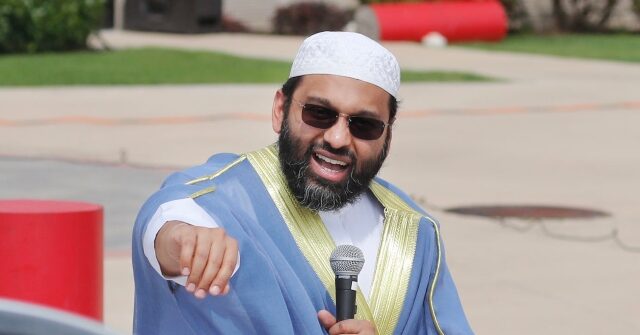
The warning is stark, delivered from the heart of a coordinated campaign: "You need to vote for candidates that represent your interests and our interests … especially in the battle states of Texas and Michigan." These are not mere political sentiments but a direct call to action from Yasir Qadhi, identified as a top U.S. leader of a dominant Muslim Brotherhood faction among U.S. mosques. His message lays bare an organized effort to leverage religious networks to maximize Democratic voter turnout across crucial American swing states.
Qadhi, based in Texas, amplified this directive, stating it is an "ethnic duty, it is our civic duty, it is our religious duty to go and support those candidates and choose those that represent the best of our interests." He emphasized the current election season as perhaps the most important of "our entire lifetimes," urging Muslims to "avail ourselves to the same rights, the same privileges, the same sense of civic engagement and civic duty as everybody else." But the true motive becomes clear when he adds: "And so, today, tomorrow, pray jumma [midday prayer, usually at a mosque] and go to vote for the ummah," invoking the Arabic term for the worldwide political society of Islam. This is not simply civic engagement; it is a religiously mandated bloc vote with a distinct global agenda.
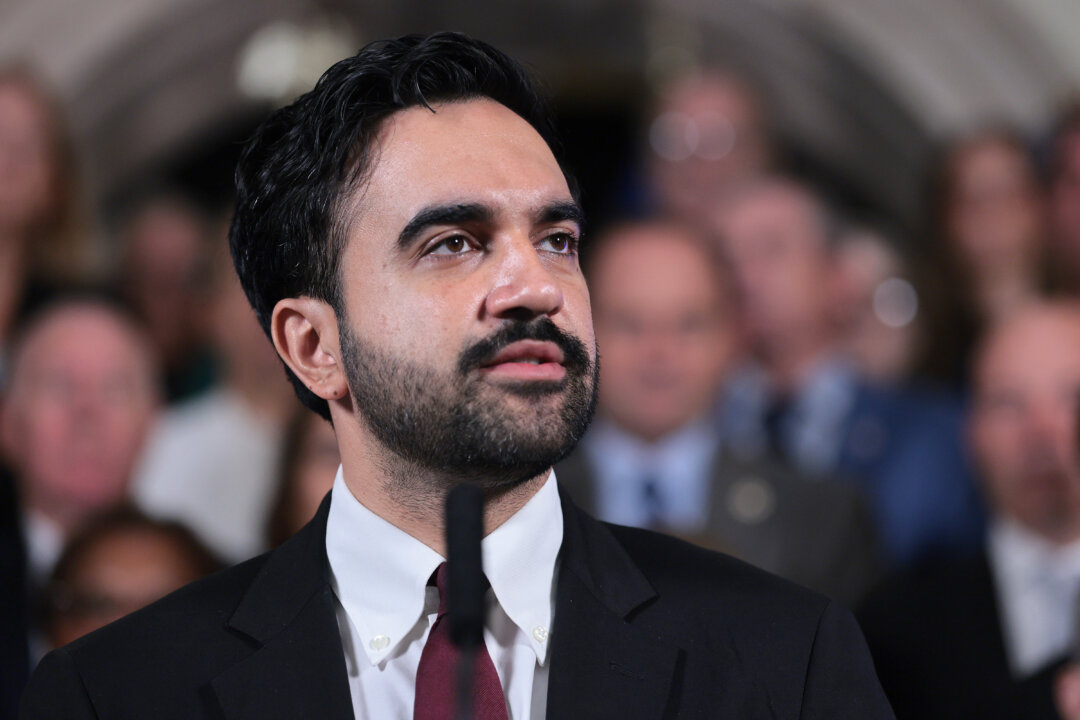
This aggressive mobilization is already shaping the political landscape. The 2026 election sees rising hopes for a Muslim Senate seat, with activist Wajahat Ali issuing a chilling warning: "If, God forbid, Abdul [Mohamed El-Sayed] loses, this will be a watershed moment in Democratic politics. The fire will rise. It’s over. People will be radicalized against corporate, pro-Israel Dems. There will be a reckoning." He ominously predicted a reckoning even if the candidate wins, highlighting the deep-seated ideological demands driving this movement.
America has a history of ethnic and religious groups organizing politically, from Irish immigrants in the early 1900s. However, those blocs largely faded as immigration paused. The restart of mass migration in the 1970s has dramatically revived and amplified identity politics, often overshadowing traditional left vs. right economic divides. Cities like Boston, under Democratic Mayor Michelle Wu, now operate with "diversity coalitions" that implement policies often harmful to ordinary Americans, as the influx of migrants fuels self-serving political groups.
The post-2001 surge of Muslim immigrants has birthed an unprecedented wave of Islamic activists and candidates. This has directly benefited figures like Zohran Mamdani in New York, whose electoral success was significantly boosted by high Muslim voter turnout, strengthening the so-called "Red/Green political coalition."
The Muslim vote proves particularly potent in low-turnout elections and tightly contested districts because, as evidence shows, these voters are often more likely to cast a ballot than many other Americans. In a stark example from 2025, a New York block that was 75 percent pro-Trump in a previous election swung to Mamdani with a plurality, largely due to "all the Pakistani Muslims in the neighborhood voted for [Mamdani]." This is not organic participation; it is a calculated, targeted capture of electoral power.
The reason for this high turnout is deeply rooted: Islam, according to observers, mandates a central role for mosques and clerics in Muslims’ commingled social, civic, and political lives. This fusion of religion and politics creates a formidable, well-funded, and organized electoral machine.
This orchestrated effort to weaponize the ballot box for a specific ethno-religious and ideological agenda poses a clear and present danger to the principles of American self-governance and election integrity. When foreign policy positions and religious mandates dictate domestic electoral outcomes, especially in critical swing states, it undermines the very foundation of America First values and raises serious questions about who truly holds power in our representative republic. Americans must remain vigilant against these well-organized attempts to transform our political landscape, ensuring that our elections reflect the will of American citizens, not the dictates of external ideologies.